Esports, short for electronic sports, has surged into the spotlight in recent years, transforming from a niche pastime to a booming global industry. What once began as small gatherings of like-minded gamers has evolved into a multi-billion-dollar ecosystem with professional leagues, international tournaments, massive sponsorship deals, and millions of viewers across the globe. In this post, we’ll take a deep dive into the world of esports—its growth, impact, and what lies ahead for this dynamic sector of the entertainment industry.
The Emergence of Esports
While competitive gaming dates back to the early days of video gaming, the concept of esports as we know it today began to take shape in the late 1990s and early 2000s. In the early days of gaming, players competed in local tournaments or even informal “LAN parties” where they connected their computers over a local area network to play against each other. Games like Quake, StarCraft, and Warcraft III were among the first titles to offer the kind of strategic depth and multiplayer action that could drive competitive play.
The foundation for esports as an organized, global industry was laid with the advent of the internet. The ability to connect players across the globe opened up the possibility of larger tournaments and more widespread competition. Early tournaments like the World Cyber Games and the Electronic Sports World Cup were among the first to push competitive gaming onto the world stage, with professional players competing for prize money, fame, and recognition.
However, the true explosion of esports came in the 2010s, thanks in part to the rise of multiplayer online battle arena (MOBA) games such as League of Legends and real-time strategy games like Dota 2. These games not only attracted millions of players but also became prime candidates for competitive play due to their strategic depth, team-based mechanics, and the ability for players to develop personal skills while also cooperating with a team.
The Global Appeal of Esports
The most significant factor driving the rise of esports is its global appeal. Esports tournaments are no longer limited to a handful of countries or regions. Major events, such as the League of Legends World Championship, the Dota 2 International, and Fortnite tournaments, draw fans from all corners of the globe. What sets esports apart from traditional sports is its accessibility—players from virtually any country can compete online, and fans can tune into tournaments from anywhere in the world.
Streaming platforms, such as Twitch, have also played a huge role in making esports a truly global event. Launched in 2011, Twitch allowed gamers to broadcast their gameplay to millions of viewers in real time, enabling fans to watch their favorite players, interact with streamers, and engage with the global esports community. This direct connection between players, teams, and viewers has made esports more than just a competitive activity—it’s a global spectacle. Major tournaments now draw in millions of viewers, sometimes surpassing the viewership of traditional sporting events.
The Structure of the Esports Industry
Esports is not just about the games—it’s an entire ecosystem with many moving parts. Professional esports is built upon a foundation of leagues, teams, players, sponsors, and media. Each part of this ecosystem plays a key role in creating the spectacle that has captured the attention of millions.
1. Professional Teams and Players
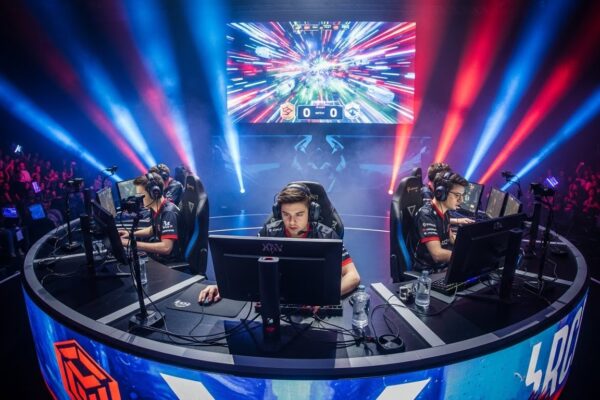
At the heart of esports are the professional players and teams. These athletes, often starting from a young age, dedicate countless hours to mastering their craft and competing at the highest levels. Unlike traditional sports, esports players don’t have to be physically fit in the conventional sense, but they must have quick reflexes, excellent hand-eye coordination, strategic thinking, and the ability to work well with a team. Many professional esports players, especially in games like League of Legends, Counter-Strike: Global Offensive, Dota 2, and Overwatch, often spend upwards of 8-10 hours a day practicing to stay at the top of their game.
Professional teams, such as Cloud9, T1, and Team Liquid, have become household names within the esports community. These teams, sometimes owned by major corporations or well-established sports franchises, manage and support their players by providing them with training facilities, coaching staff, analysts, and even mental health services. Teams compete in regular seasons, and their success hinges on both individual performance and the ability to work as a unit.
2. Tournaments and Leagues
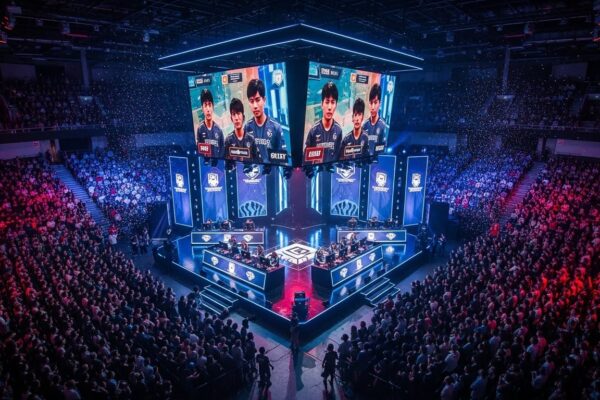
Esports tournaments are the marquee events that captivate audiences around the world. These tournaments, often sponsored by major brands, feature top-tier players and huge prize pools, sometimes reaching tens of millions of dollars. For instance, Dota 2’s International 2021 had a prize pool of over $40 million, with the winning team taking home more than $18 million.
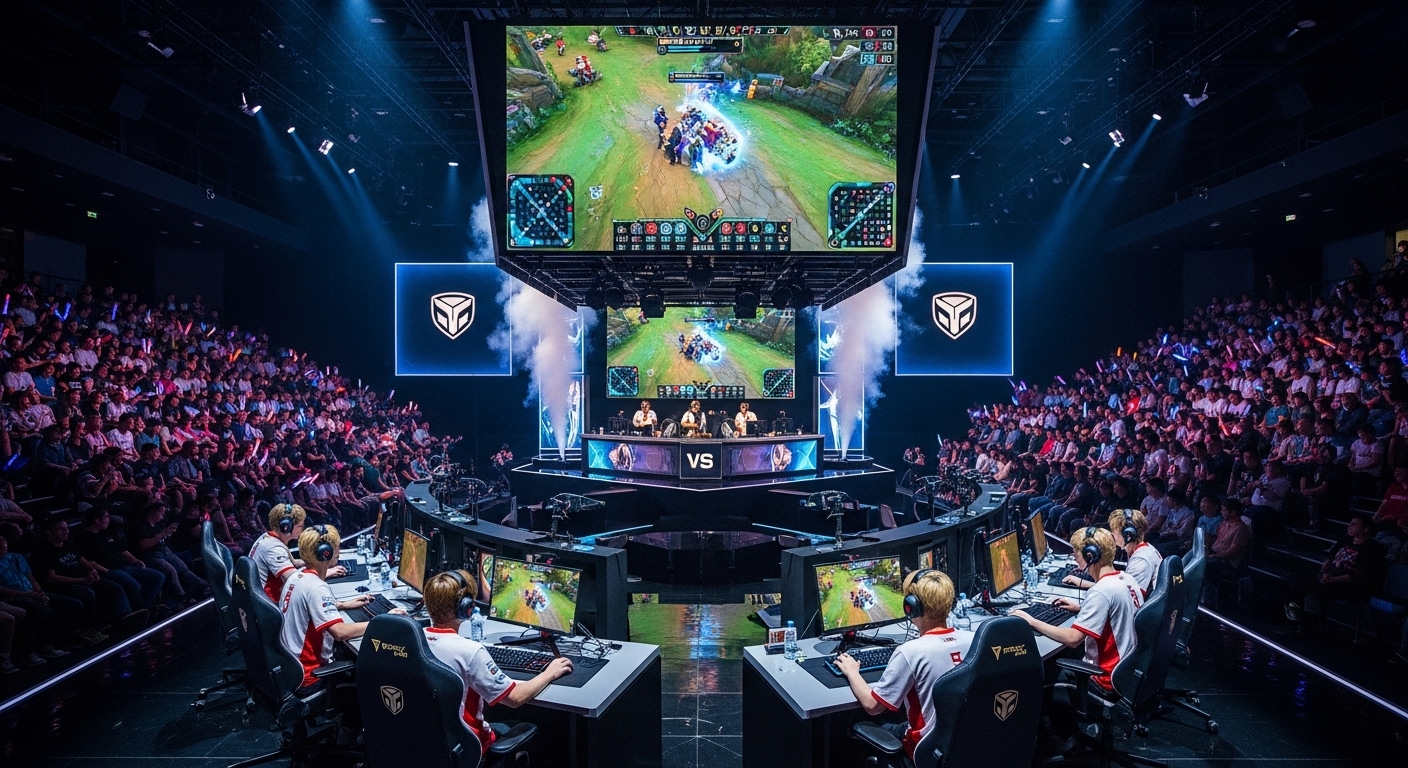
Esports leagues have become more structured and professional in recent years, closely mirroring traditional sports leagues like the NFL or NBA. Games like League of Legends and Overwatch now have fully professionalized leagues with franchised teams that compete in seasonal formats. These leagues have regular seasons, playoffs, and championship finals, creating a predictable and exciting schedule for both players and fans.
3. Sponsorship and Marketing
Esports has attracted major sponsorship deals from top brands like Red Bull, Intel, Coca-Cola, and Nike. These companies see esports as an effective way to reach a young, tech-savvy audience. Sponsorship deals often involve branding opportunities on players’ jerseys, advertisements during tournaments, and the creation of branded content.
The sponsorship model has been crucial to the financial growth of esports. Tournaments can afford to offer massive prize pools thanks to sponsorships, and teams can secure lucrative contracts that help support their operations. As the industry grows, it’s likely that more brands will enter the esports space, looking to tap into its ever-expanding audience.
4. Streaming and Content Creation
In addition to traditional tournaments, streaming has become an essential component of esports. Platforms like Twitch, YouTube Gaming, and Facebook Gaming allow players to stream their gameplay live to a global audience. Streaming allows fans to watch their favorite players practice, engage with them in real time through chat, and even donate money to their favorite streamers.
Some of the biggest names in esports—like Ninja (Tyler Blevins), Shroud, and Pokimane—have turned streaming into lucrative careers. They not only generate revenue through subscriptions and ads but also engage with their fanbase on a personal level, creating a connection that is often absent in traditional sports.
5. Fan Engagement
The success of esports is in large part due to the passionate and engaged fanbase that supports it. Fans of esports teams and players are deeply invested in their success and often follow them across multiple platforms. Many fans engage with their favorite players on social media, watch live streams, and participate in fan events.
Esports fans are also known for their enthusiasm and creativity. Fans create fan art, memes, and videos in support of their favorite teams and players. Esports events, such as League of Legends World Championships or Dota 2’s International, often feel like massive social gatherings, with fans meeting in person, watching matches together, and even dressing up as their favorite characters from the games.
The Future of Esports
The future of esports looks incredibly bright, with the industry continuing to evolve and expand at a rapid pace. Several factors are likely to influence the direction of esports over the next decade.
1. Technological Advancements
As technology continues to improve, esports will benefit from better gaming hardware, more immersive experiences, and faster internet speeds. The advent of virtual reality (VR) and augmented reality (AR) could revolutionize how we experience esports. Imagine watching a Counter-Strike: Global Offensive match from the perspective of your favorite player, as if you were right there on the battlefield.
Esports is also benefiting from the development of artificial intelligence (AI), which is being used to analyze player performance, predict match outcomes, and even develop new strategies. As AI becomes more integrated into the gaming experience, it could open up new ways to enhance both the player and spectator experience.
2. Integration with Traditional Sports
There is a growing trend of traditional sports teams investing in esports, with major franchises like the Philadelphia 76ers, Dallas Cowboys, and Paris Saint-Germain buying into esports organizations. This crossover between traditional sports and esports could result in even more mainstream recognition for competitive gaming, potentially even leading to the inclusion of esports in events like the Olympic Games.
3. Increased Accessibility
The accessibility of esports is another key factor that will drive its future growth. Unlike traditional sports, which often require expensive equipment, esports can be played with just a computer or gaming console. As technology continues to improve and gaming hardware becomes more affordable, more people will have the opportunity to compete and watch esports. This will expand the fanbase and attract new players to the competitive scene.
Conclusion
Esports has transformed from a niche activity into a global industry that commands millions of dollars in sponsorships, attracts vast audiences, and creates careers for professional players. As the industry grows, it continues to evolve, driven by technological advancements, increased sponsorship, and a passionate global fanbase. Esports is not just about gaming—it’s a new form of entertainment that blends technology, sport, and culture, offering fans an immersive, interactive experience like never before. As esports continues to expand into the mainstream, there’s no doubt it will continue to shape the future of competitive gaming and entertainment for years to come.