Introduction: The Evolution of Esports
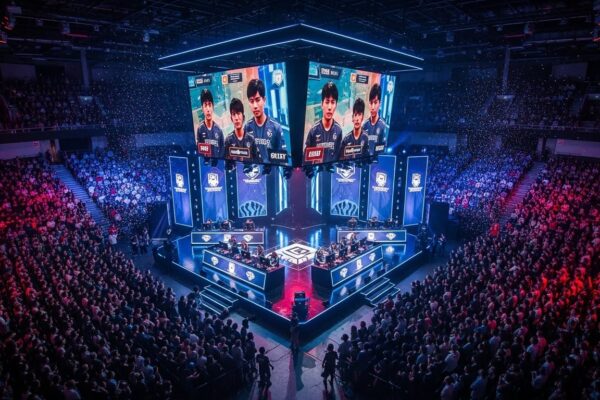
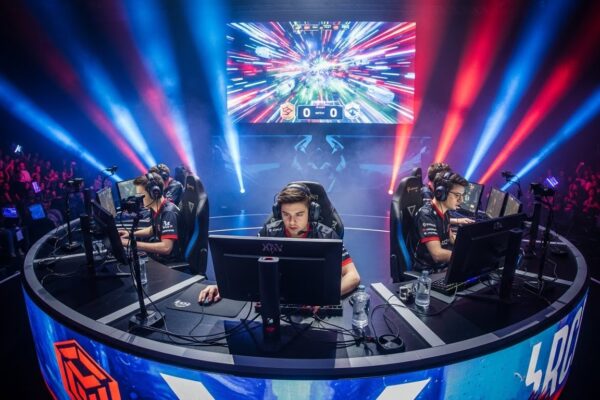
Esports, short for electronic sports, has evolved from a niche hobby into a global industry worth billions. What once started as a casual pastime for gamers has transformed into a professional sport with its own ecosystem of players, coaches, teams, and massive audiences. Major events such as The International (Dota 2), League of Legends World Championship, and Fortnite World Cup draw in millions of viewers worldwide, with top players securing multi-million dollar salaries, sponsorship deals, and global recognition. But how did this transformation happen? Let’s explore the journey of esports from its humble beginnings to its current place at the forefront of modern entertainment.
The Birth of Competitive Gaming
Esports traces its origins to the early 1970s, with the first documented video game competition held in 1972 at Stanford University. The game was Spacewar, and the winner received a year’s subscription to Rolling Stone magazine. While this might seem quaint by today’s standards, it marked the first step toward competitive gaming. The concept of competitive video gaming, though, truly began to take shape in the 1990s, as the internet became more widely accessible.
The advent of LAN (Local Area Network) tournaments in the 1990s, where gamers could gather in one location to compete, played a crucial role in establishing esports as a competitive outlet. Games like Quake, StarCraft, and Warcraft became staples in these tournaments, drawing a passionate following. One of the first notable global esports tournaments was the World Cyber Games (WCG), which debuted in 2000 and featured players from across the globe competing in popular games of the time.
Esports in the Digital Age: From Casual to Professional
With the rise of streaming platforms like Twitch in 2011 and YouTube gaming, esports quickly gained mainstream attention. Platforms like Twitch allowed gamers to not only watch tournaments in real-time but also interact with their favorite players and teams, creating a strong sense of community. Gamers became celebrities in their own right, with personalities like Ninja and Shroud amassing millions of followers and cementing esports as a major cultural force.
What set esports apart from traditional sports was its accessibility. Unlike traditional sports, where individuals need specialized facilities or physical training to compete, esports required only a good computer and internet connection. This accessibility allowed the esports industry to grow at an unprecedented rate, attracting players from all corners of the world.
The Professionalization of Esports
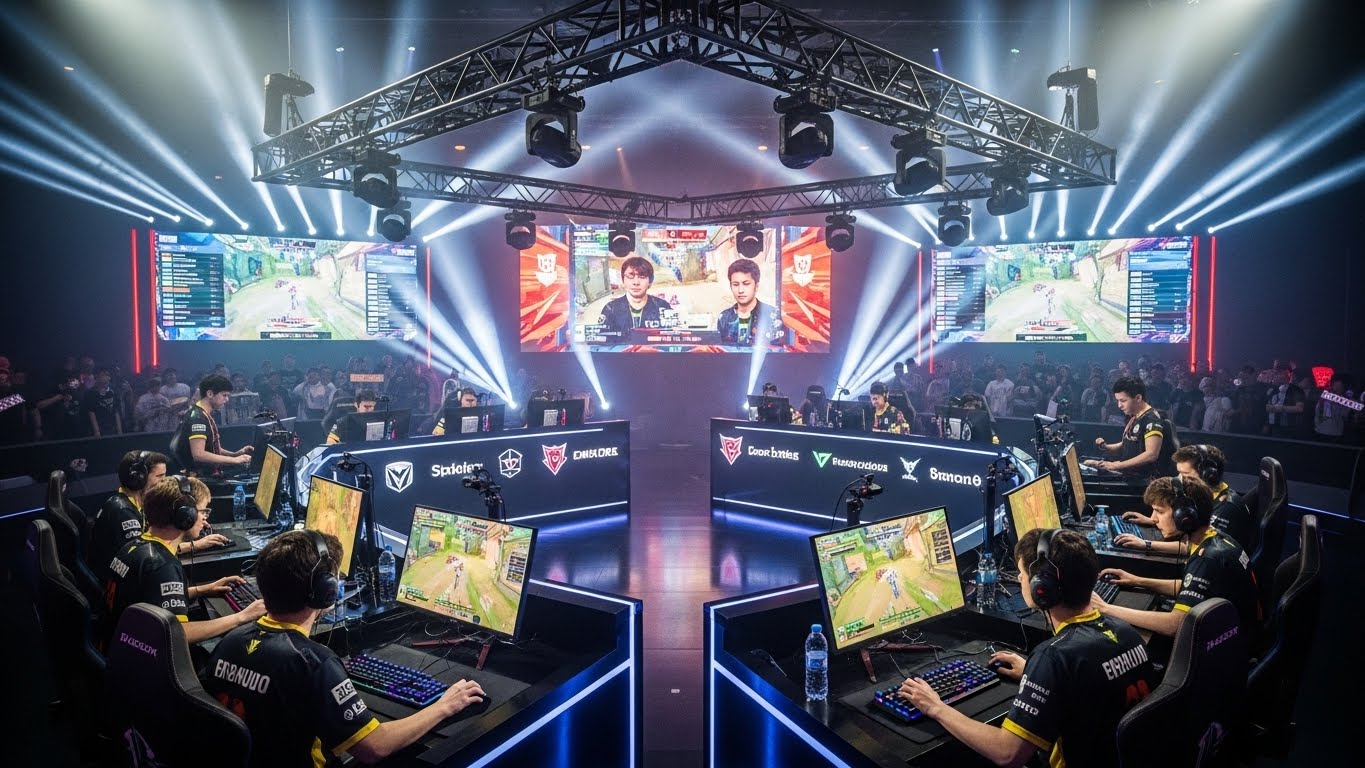
As esports began to gain traction, it became evident that the competitive scene would need infrastructure to support it. Organizations like Team Liquid, Fnatic, and Cloud9 helped bridge this gap by offering players full-time contracts, coaching staff, and team management. With these structures in place, esports began to resemble traditional sports in terms of its professionalism.
In the past decade, the prize pools for esports tournaments have exploded. For example, The International—the Dota 2 tournament—boasted a record-breaking prize pool of over $40 million in 2021, and the League of Legends World Championship regularly surpasses $2 million in total prizes. This financial success has not only drawn top-tier players but also significant investment from companies outside of the gaming industry. Brands like Coca-Cola, Intel, and Mercedes-Benz now sponsor esports events, while esports teams themselves attract multi-million-dollar deals from venture capitalists and traditional sports organizations.
Esports and Its Diverse Game Genres
One of the most fascinating aspects of esports is the wide variety of games that are played professionally. While games like League of Legends and Dota 2 dominate the scene with massive player bases and high-profile tournaments, other games like Counter-Strike: Global Offensive, Overwatch, Fortnite, and Call of Duty also have thriving esports communities.
Each genre offers something unique for players and spectators alike. MOBA (Multiplayer Online Battle Arena) games like League of Legends emphasize strategy, teamwork, and real-time decision-making. Meanwhile, FPS (First-Person Shooter) games like Counter-Strike: Global Offensive and Overwatch focus on precision, reflexes, and individual skill. The Battle Royale genre, popularized by games like Fortnite, adds an additional layer of complexity by introducing a survival aspect where players are pitted against each other in an ever-shrinking arena.
The wide array of genres ensures that esports remains dynamic, offering something for every type of gamer. From real-time strategy games to team-based shooters, there’s no shortage of variety when it comes to professional gaming. Additionally, new games are regularly entering the competitive scene, leading to a continual expansion of the esports ecosystem.
The Global Esports Audience: A New Form of Entertainment
One of the driving forces behind the rise of esports is its massive, diverse audience. While traditional sports have long had global reach, esports attracts viewers from every corner of the world, transcending language barriers and cultural differences. The ability to watch professional gameplay through platforms like Twitch or YouTube, often with live commentary, has revolutionized the way people consume entertainment.
Esports fans are passionate, often forming dedicated communities around their favorite games and players. These communities are not just spectators but also participants, whether by watching live streams, creating fan content, or engaging in online discussions. As a result, esports has become more than just a sport; it is a cultural phenomenon.
The fanbase is also extremely diverse in terms of demographics. While traditional sports have often been male-dominated, esports has attracted a younger, more diverse audience. According to a 2020 report by Newzoo, nearly 30% of global esports viewers were female, a significant portion of a fanbase that is predominantly under the age of 35. This demographic shift has helped esports become a major player in the entertainment industry, as advertisers and content creators alike seek to tap into this coveted audience.
The Role of Streaming and Social Media in Esports Growth
Streaming platforms like Twitch and YouTube have been instrumental in the growth of esports. Twitch, in particular, has provided a platform for gamers to not only watch live tournaments but also engage with players, streamers, and fellow fans. This interaction fosters a sense of community and allows fans to feel closer to the action.
For professional players, streaming has become a vital part of their careers. Many players stream their gameplay regularly, attracting large audiences and securing lucrative sponsorships. The ability to build a personal brand on platforms like Twitch has given players more control over their careers, with some streamers becoming multimillion-dollar entities in their own right. Ninja, for example, built a massive following through his Fortnite streams before branching out into other media ventures.
Social media platforms like Twitter, Instagram, and TikTok also play a major role in promoting esports. Teams, players, and tournament organizers use these platforms to connect with fans, promote events, and share content. The ability to interact with followers on a personal level has only increased the sense of connection between esports professionals and their audiences, contributing to the industry’s rapid growth.
Esports in Traditional Sports and Media
In recent years, traditional sports organizations and media outlets have taken notice of the success of esports. Many professional sports leagues, including the NBA, NFL, and European football clubs, have invested in esports teams or tournaments. These partnerships have helped raise the profile of esports and introduce it to a wider audience, including people who may not typically engage with gaming.
Esports has also begun to be covered by mainstream media outlets. Networks like ESPN and Fox Sports have broadcast major esports tournaments, further legitimizing competitive gaming as a form of entertainment. Esports is no longer just a niche activity—it is increasingly becoming a staple of the global entertainment landscape.
The Future of Esports: Challenges and Opportunities
Despite its rapid growth, esports faces several challenges. One of the most pressing issues is the lack of regulation in terms of player contracts, salaries, and tournament rules. While many esports organizations have made strides to professionalize the industry, players still face uncertainty when it comes to job security and career longevity. The physical and mental toll of competitive gaming is also a concern, with many top players retiring at a young age due to burnout or injury.
Moreover, the esports landscape is constantly evolving. As new games emerge, older titles may lose their competitive edge, leaving both players and fans in a state of flux. However, this constant change also presents opportunities for growth. New games and platforms could bring in fresh talent, attract new audiences, and create new ways for fans to engage with the esports ecosystem.
Conclusion: Esports as a Cultural and Economic Force
Esports has come a long way from its humble beginnings as a hobby for passionate gamers. Today, it stands as a multi-billion-dollar industry with a global fanbase, professional players, and major sponsors. Its rapid growth shows no signs of slowing down, and its influence on both entertainment and culture is undeniable.
Esports has transformed gaming from a solitary activity into a communal experience, where players and fans alike can connect, compete, and celebrate their love for the game. Whether you’re a die-hard fan, a professional player, or someone new to the world of esports, there’s no denying that competitive gaming is here to stay.