In the last two decades, esports has transformed from a niche hobby into a global phenomenon. Once considered a pastime for a small group of gaming enthusiasts, esports now commands millions of viewers, attracts professional athletes, and generates billions of dollars in revenue annually. Its growth has been driven by technological advancements, increasing internet accessibility, and a cultural shift that recognizes gaming as a legitimate competitive pursuit.
Esports, or electronic sports, involves competitive video gaming at both amateur and professional levels. Unlike casual gaming, esports is highly structured, with leagues, tournaments, teams, sponsorships, and professional players who dedicate their lives to honing their skills. Today, esports encompasses a variety of game genres, including multiplayer online battle arenas (MOBAs), first-person shooters (FPS), real-time strategy (RTS) games, and sports simulations.
The Origins of Competitive Gaming
Competitive gaming has roots that date back to the late 1970s and early 1980s. The earliest recorded video game competition, the Space Invaders Championship, took place in 1980 and attracted thousands of participants across the United States. As arcade culture grew, competitive gaming became increasingly popular, although it lacked the professional infrastructure seen today.
In the 1990s, the rise of personal computers and LAN (Local Area Network) gaming introduced a new era of competitive play. Games like Quake, StarCraft, and Counter-Strike laid the foundation for professional esports. Players began forming organized teams, and tournaments started offering modest prize pools. The concept of a “pro gamer” emerged, and communities formed around specific games, establishing fan bases and rivalries that are still evident today.
Key Genres and Their Impact
Esports is not limited to one type of game; it thrives on diversity. Each genre contributes uniquely to the growth of competitive gaming.
Multiplayer Online Battle Arenas (MOBAs): MOBAs such as League of Legends and Dota 2 are among the most popular esports genres globally. These games involve strategy, teamwork, and precise execution. Professional matches are intense and often attract millions of viewers worldwide, with tournaments offering multi-million-dollar prize pools.
First-Person Shooters (FPS): FPS games like Counter-Strike: Global Offensive, Call of Duty, and Valorant demand quick reflexes, precision aiming, and tactical coordination. The genre emphasizes individual skill while requiring strong teamwork for success. FPS tournaments often have electrifying atmospheres, with fans cheering for every headshot and clutch play.
Real-Time Strategy (RTS): RTS games, such as StarCraft II, focus on resource management, tactical planning, and strategic execution. The RTS genre pioneered the professionalization of esports by requiring players to think critically and make rapid decisions under pressure.
Sports Simulations and Fighting Games: Titles like FIFA, NBA 2K, Street Fighter, and Tekken bring the excitement of traditional sports and competitive fighting to the digital realm. These games attract fans from outside the gaming community, bridging the gap between esports and mainstream sports culture.
The Professionalization of Esports
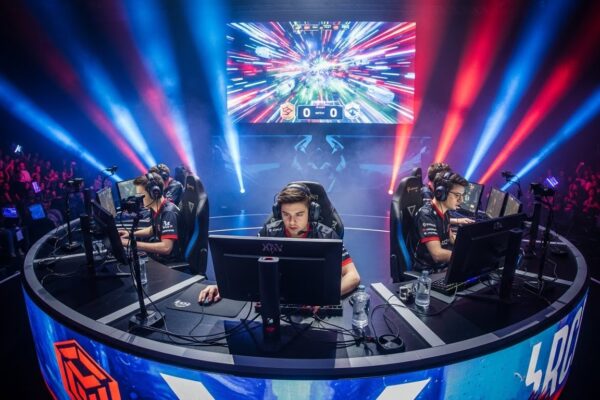
The evolution of esports from casual competition to professional leagues has been remarkable. Today, professional esports organizations operate similarly to traditional sports franchises. Players sign contracts, receive salaries, and train in structured environments with coaching staff, analysts, and support teams.
Esports leagues, such as the League of Legends Championship Series (LCS), Overwatch League, and Call of Duty League, have standardized formats, schedules, and broadcasting partnerships. Sponsorships from global brands have poured into the industry, further legitimizing esports as a professional pursuit. Companies see value in associating with esports due to its young, digitally engaged audience, which traditional marketing often struggles to reach.
Global Esports Tournaments
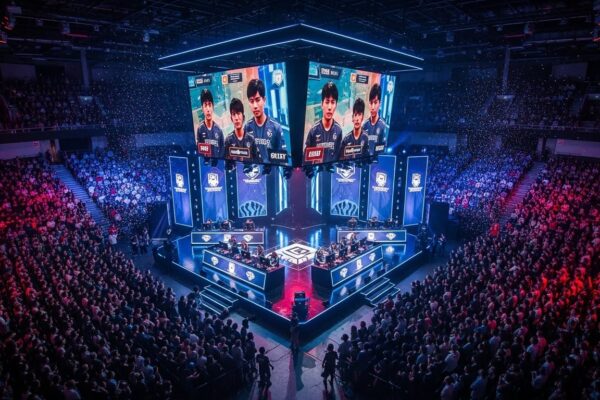
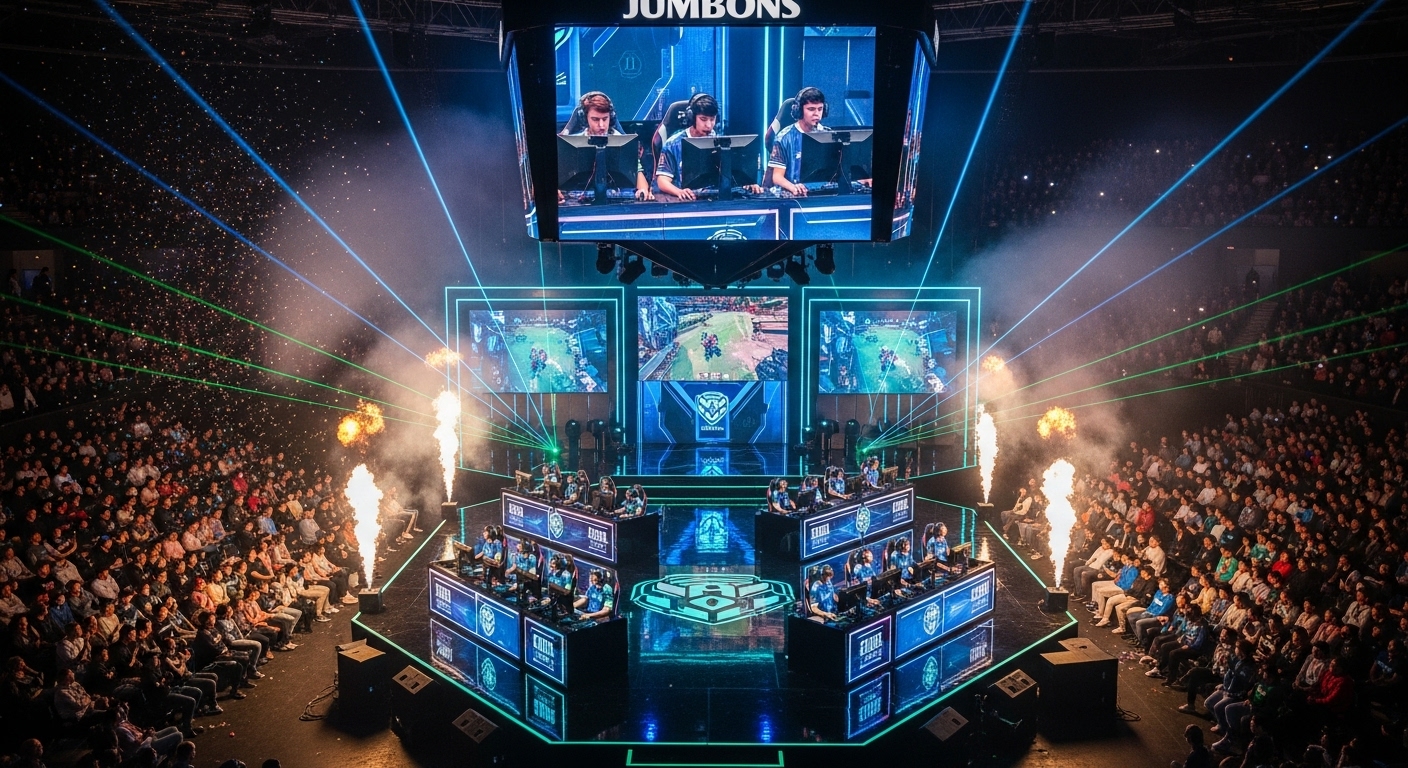
Major esports tournaments are now comparable to traditional sports in scale and spectacle. Events like The International (Dota 2), the Fortnite World Cup, and the League of Legends World Championship attract millions of live and online viewers. These tournaments not only offer massive prize pools but also showcase the highest level of skill in each game.
The International, for instance, has become famous for its staggering prize pools, funded partly through in-game purchases by the community. This model has revolutionized the way competitive gaming is financed and has inspired other tournaments to adopt similar strategies.
Esports Viewership and Streaming
The growth of streaming platforms like Twitch, YouTube Gaming, and Facebook Gaming has played a pivotal role in esports’ global reach. Fans can watch live matches, interact with players through chat, and follow their favorite teams in real time. Streaming has democratized access to esports, allowing players and audiences worldwide to participate in events that were once limited to physical venues.
Viewership numbers rival those of traditional sports. For example, League of Legends World Championship finals have drawn over 100 million viewers, surpassing many conventional sports finals. The social aspect of streaming, combined with the accessibility of online platforms, has created a dedicated and interactive fanbase.
The Role of Technology in Esports
Esports’ growth is deeply intertwined with technological advancements. High-speed internet, powerful gaming hardware, and sophisticated software platforms have enabled seamless competition and broadcasting. Virtual reality (VR) and augmented reality (AR) are beginning to shape new forms of immersive esports experiences.
Analytics and performance tracking tools allow teams to refine strategies, analyze opponents, and improve individual player performance. Technology also enhances viewer engagement through live stats, instant replays, and augmented in-game experiences, making esports broadcasts more dynamic than ever.
Esports and Education
The rise of esports has also influenced education. Schools and universities around the world are incorporating esports programs, scholarships, and competitive teams into their extracurricular offerings. Academic institutions recognize that esports teaches teamwork, communication, strategic thinking, and time management.
Esports curricula are expanding to include game design, marketing, event management, and computer science, providing students with practical skills for careers in the gaming and technology industries. These programs not only cultivate future professional players but also prepare students for diverse roles within the broader esports ecosystem.
Challenges Facing Esports
Despite its rapid growth, esports faces several challenges. Player burnout is a significant concern due to the intense practice schedules and high-pressure environments. Mental health issues, including stress and anxiety, are increasingly acknowledged within professional gaming communities.
The industry also contends with issues of fairness and regulation. Cheating, match-fixing, and doping have occasionally marred competitive integrity. Governing bodies and tournament organizers are working to implement standardized rules and oversight to ensure fair play.
Additionally, esports still battles some societal skepticism. While perceptions are changing, some still question whether gaming can be a legitimate career or sport. Overcoming these biases is crucial for the industry’s long-term sustainability.
The Future of Esports
The future of esports is poised for even greater expansion. Mobile gaming is opening competitive opportunities in regions with high smartphone penetration but limited access to gaming PCs or consoles. Cloud gaming and 5G networks may further democratize esports participation, enabling more players to compete from virtually anywhere.
Esports will likely continue merging with mainstream entertainment, including collaborations with traditional sports, music, and film. The integration of AI and machine learning could revolutionize coaching, strategy development, and viewer engagement.
As the industry matures, esports will not only be a competitive arena but also a cultural touchstone, shaping entertainment, education, and social interaction worldwide.
Conclusion
Esports has grown from humble beginnings in arcades and LAN parties to a global industry with professional leagues, massive tournaments, and a passionate fanbase. It has redefined the concept of sports, combining skill, strategy, and digital innovation. While challenges remain, the momentum behind esports is undeniable. With continued technological advancements, increasing societal acceptance, and a dedicated community, esports is set to remain a dominant force in entertainment for years to come.
The journey of esports illustrates the power of digital culture and human competitiveness, proving that the virtual arena can inspire as much passion, dedication, and excitement as any traditional sporting venue.