Esports, short for electronic sports, has grown from a niche pastime into one of the most influential entertainment industries in the world. What began as casual competitions among friends has transformed into a global arena where professional players, large organizations, and millions of fans participate in a thriving ecosystem. With tournaments offering multi-million-dollar prize pools, massive viewership numbers, and sponsorship deals rivaling traditional sports, esports has become more than a game—it is a cultural movement that shapes technology, entertainment, and social interaction.
The Early Days of Competitive Gaming
The roots of esports trace back to the early days of video gaming when players would compete for high scores and small local prizes. Arcades, college campuses, and small gaming clubs were the initial stages for competitive gaming. Titles like Pong, Space Invaders, and Pac-Man allowed players to challenge one another in local settings. The thrill came from personal achievement and recognition within a small community rather than global fame or financial reward.
With the advent of multiplayer consoles and early computer networks, players could connect with opponents beyond their immediate environment. Online gaming introduced a new level of competitiveness, allowing players from different cities or even countries to compete. This shift marked the beginning of a global esports ecosystem, laying the foundation for the massive tournaments we see today.
Breakthrough Games That Shaped Esports
Certain games acted as catalysts for esports, providing the competitive structure and fan engagement necessary for the industry to grow. Real-time strategy games, first-person shooters, multiplayer online battle arenas, and sports simulation games became pillars of competitive gaming. Titles like StarCraft, Counter-Strike, League of Legends, Dota 2, and Fortnite created highly skilled player bases, attracting both casual and professional audiences.
These games succeeded in part because of developer support. Companies began hosting official tournaments, offering prize money, and creating spectator-friendly experiences. The rise of streaming platforms further amplified this growth, allowing fans to watch high-level play and follow professional careers without attending events in person. These games not only defined competitive standards but also shaped the expectations of players and audiences alike.
The Rise of Professional Esports Organizations
As competitive gaming matured, professional esports organizations emerged to formalize the industry. These teams operate similarly to traditional sports clubs, with players, coaches, analysts, and support staff. They provide salaries, structured training schedules, and performance analysis to ensure peak performance.
Professional organizations also prioritize player wellness, hiring nutritionists, fitness trainers, and psychologists to address the mental and physical demands of esports. Unlike casual gaming, professional esports requires intense preparation, including studying opponents, mastering game mechanics, and maintaining teamwork under high-pressure conditions. This level of dedication has transformed esports into a legitimate career path for talented players worldwide.
Spectator Culture and the Thrill of Esports
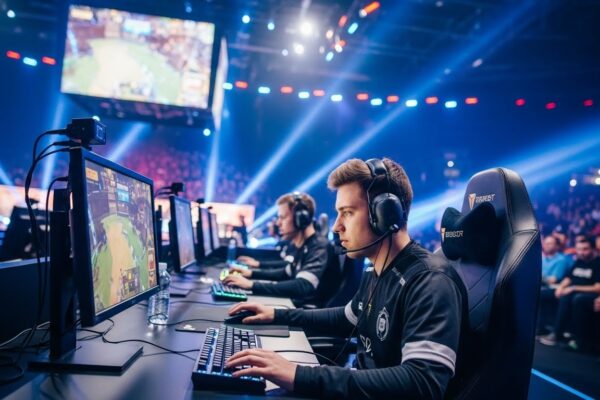
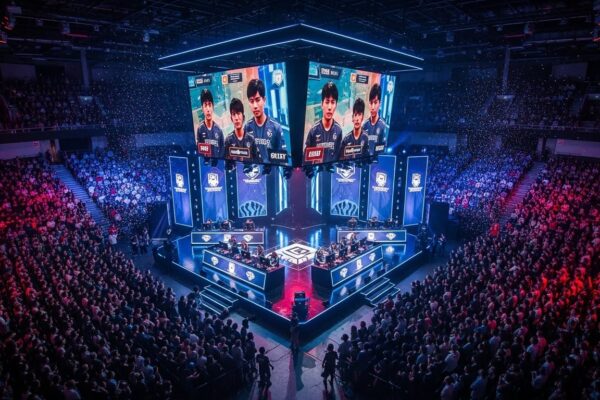
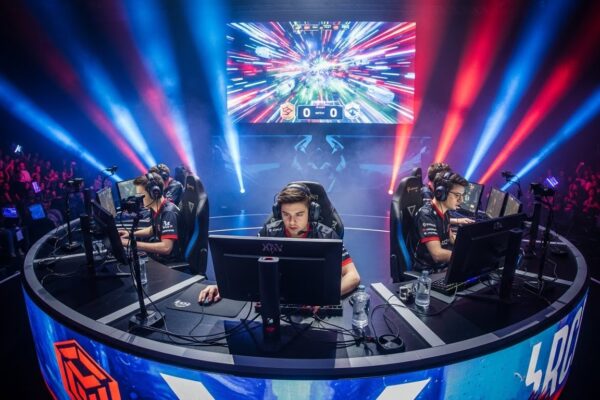
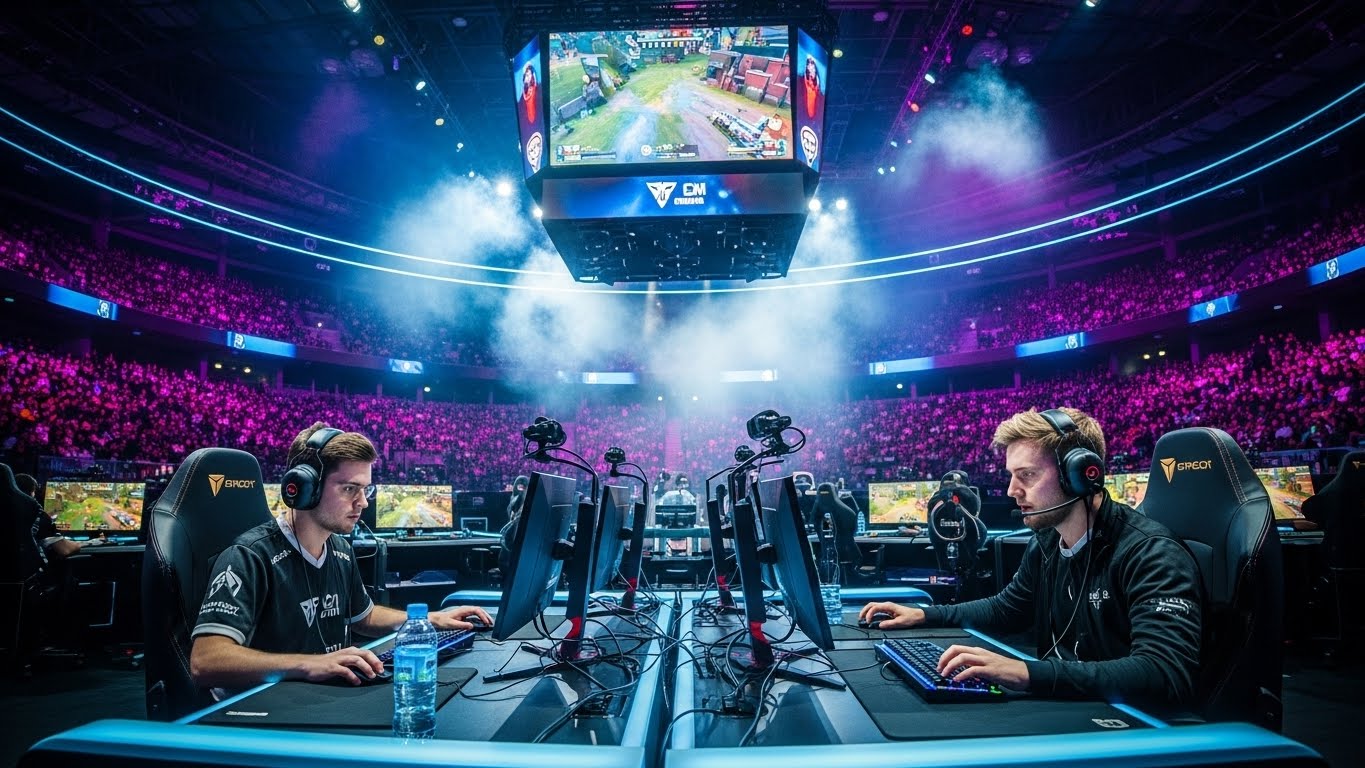
One of the most remarkable aspects of esports is its spectator culture. Watching a live esports event, whether online or in a stadium, offers excitement and engagement comparable to traditional sports. Fans cheer for their favorite players, celebrate clutch victories, and analyze strategies alongside commentators who provide expert insight.
Esports events are designed to be visually and emotionally compelling. Large screens, immersive sound systems, and theatrical presentations create an atmosphere that draws fans into the action. Tournaments often feature opening ceremonies, live music, and fan interactions, transforming competitions into full-scale entertainment spectacles. This unique combination of sport, entertainment, and technology distinguishes esports from traditional spectator experiences.
Streaming Platforms and Influencer Impact
Streaming platforms have revolutionized the way esports is consumed. Players, commentators, and content creators can broadcast live gameplay to millions of viewers globally. These platforms have given rise to influencer culture within esports, where personalities develop massive followings and shape the gaming community.
Fans engage with streamers in real time, asking questions, cheering them on, and even learning strategies. This direct interaction creates a sense of community and accessibility rarely seen in traditional sports. Streamers act as both entertainers and educators, helping the esports audience grow and fostering a culture of shared knowledge and enthusiasm.
Esports as a Legitimate Career Path
A decade ago, pursuing a career in gaming was often dismissed as unrealistic. Today, professional esports careers are recognized and respected worldwide. Players earn salaries, sponsorships, and prize money, while also gaining opportunities for post-competition roles such as coaching, analysis, commentary, and content creation.
Educational institutions have also embraced esports. Universities now offer scholarships and degree programs dedicated to esports management and performance. These programs equip students with skills in team management, game analysis, and event organization, further solidifying esports as a legitimate professional field.
The Technological Backbone of Esports
Esports relies heavily on advanced technology to function at a professional level. High-performance gaming computers, fast internet connections, and sophisticated streaming tools are essential to maintain competitive standards. Hardware companies continuously innovate to provide gamers with the fastest, most responsive equipment.
Emerging technologies such as virtual reality and augmented reality are also beginning to influence esports. These tools have the potential to create immersive, interactive experiences for both players and spectators. Mobile gaming, which allows players to compete anytime and anywhere, has expanded the reach of esports even further. The industry’s growth and innovation are tightly intertwined, demonstrating how esports drives technological progress.
Social and Cultural Influence of Esports
Esports extends beyond gaming into broader social and cultural realms. Fashion, music, and lifestyle have all been influenced by the gaming community. Team merchandise, gaming peripherals, and esports-inspired clothing have created a distinct culture that blends digital and real-world identity.
The international nature of esports fosters diverse and inclusive communities. People from various cultural, linguistic, and social backgrounds connect over shared passions. This global interaction promotes cross-cultural understanding and creates friendships that transcend geographical boundaries. Esports has also sparked conversations about inclusivity, mental health, and responsible gaming practices, encouraging positive change within the community.
Challenges Facing the Esports Industry
Despite its rapid growth, esports faces several challenges. Player burnout and mental health issues are pressing concerns due to long training hours, high competition stress, and the public scrutiny of professional players. Organizations are increasingly addressing these issues by implementing wellness programs, balanced schedules, and support networks.
Another challenge lies in the dynamic nature of video games. Unlike traditional sports, games are constantly updated with new mechanics, patches, and balance changes. This requires players and organizations to adapt quickly, which can create instability in competitive environments. Financial sustainability is also a concern, as esports organizations must manage sponsorships, tournament revenues, and operational costs to remain viable. These challenges, however, indicate the industry’s maturation and adaptability.
The Future of Esports
The future of esports is incredibly promising. As technology evolves, fans can expect more immersive experiences, enhanced analytics, and interactive viewing options. Traditional sports organizations are increasingly investing in esports, signaling potential collaboration between physical and digital competition.
Youth interest in esports is growing, and schools are incorporating competitive gaming into extracurricular activities. The next generation of gamers will have more opportunities to develop skills, participate in tournaments, and pursue professional careers. Esports is poised to become a mainstream component of global entertainment, education, and social interaction.
Conclusion: Esports as a Cultural Revolution
Esports has grown far beyond casual gaming to become a global phenomenon that redefines competition, entertainment, and community. From small beginnings in arcades to massive stadium events and online viewership, esports exemplifies the intersection of technology, creativity, and human skill.
It represents a new form of athleticism, combining mental agility, strategic thinking, teamwork, and precision. Beyond the games themselves, esports fosters international communities, drives technological innovation, and creates career opportunities previously unimaginable. As the industry continues to expand, esports is set to remain a cultural and professional force for years to come, illustrating the boundless potential of digital competition.