Introduction: A New Era of Competitive Entertainment
Esports is no longer just a trend—it has become a global powerhouse in the world of entertainment. What was once considered a niche activity for tech-savvy gamers has grown into a thriving, billion-dollar industry that attracts millions of viewers and participants around the world. Competitive gaming now rivals traditional sports in terms of popularity, viewership, and financial investment. From professional leagues to streaming platforms, esports has expanded in scope and influence, transforming the way people experience gaming and competition.
In this blog post, we’ll explore the meteoric rise of esports, its cultural significance, the role of technology, and what the future holds for this burgeoning industry. Whether you’re an avid gamer or someone who’s just beginning to understand the world of esports, this article will shed light on how competitive gaming became a global phenomenon.
The Origins of Esports: From Local Tournaments to Global Championships
The roots of esports can be traced back to the early days of gaming itself. While video games have been around since the 1970s, competitive gaming didn’t begin to gain traction until the 1980s when the first gaming tournaments were held. One of the first significant events was the Space Invaders Championship in 1980, which gathered over 10,000 participants. It wasn’t just about the game itself, but the social aspect of gathering like-minded people to compete.
In the 1990s, as personal computers and the internet became more accessible, competitive gaming took on a new dimension. Titles such as Doom and Warcraft introduced the concept of online multiplayer, allowing players to compete against others around the world. At the same time, game developers and tournament organizers began to see the potential for large-scale competitive gaming events. In South Korea, the popularity of StarCraft led to the formation of professional gaming leagues and televised broadcasts of competitions. These early tournaments demonstrated that competitive gaming could attract not just participants, but also a substantial audience.
As the internet continued to expand and broadband connections became more widespread, competitive gaming moved from local LAN parties to global competitions. By the early 2000s, esports was no longer just a hobby—it had become a legitimate form of entertainment with a growing following. The success of games like Counter-Strike, Warcraft III, and StarCraft II laid the groundwork for the professional esports scene we recognize today.
The Digital Platform Boom: Streaming and Media Integration
One of the most important factors in esports’ rapid growth has been the rise of streaming platforms. With the advent of websites like Twitch and YouTube Gaming, esports became more accessible to fans around the world. These platforms allow millions of viewers to watch live gameplay, interact with players, and engage with the broader gaming community in real time. In many ways, streaming has transformed esports into a spectator sport.
Streaming not only increased the accessibility of esports but also helped build personalities within the industry. Professional players and commentators became celebrities in their own right, attracting sponsorships and endorsement deals that had once been reserved for traditional athletes. Streaming platforms also gave birth to a new type of content creator—gamers who weren’t just professionals but influencers who entertained and educated audiences on gaming, technology, and culture.
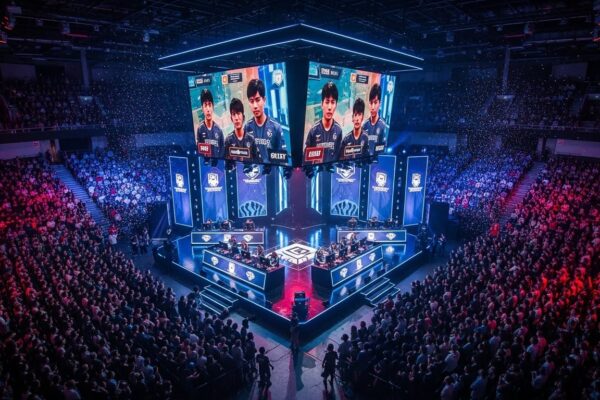
The combination of professional broadcasts and streaming platforms enabled esports to break out of the gaming niche and enter the mainstream. Large-scale esports events, such as The International (the annual Dota 2 world championship), League of Legends World Championship, and Overwatch League, now fill stadiums with tens of thousands of fans, and their viewership numbers rival major sports events. Esports is not only a way for players to compete, but for fans to engage, connect, and build communities around their favorite games.
The Types of Esports Games: A Diverse and Thriving Ecosystem
Esports isn’t just one type of game; it spans a wide array of genres, each with its own competitive scene. While some genres dominate the industry, others are growing rapidly and attracting dedicated followings. Here are the primary categories of games that have become staples in the esports world:
Multiplayer Online Battle Arenas (MOBAs)
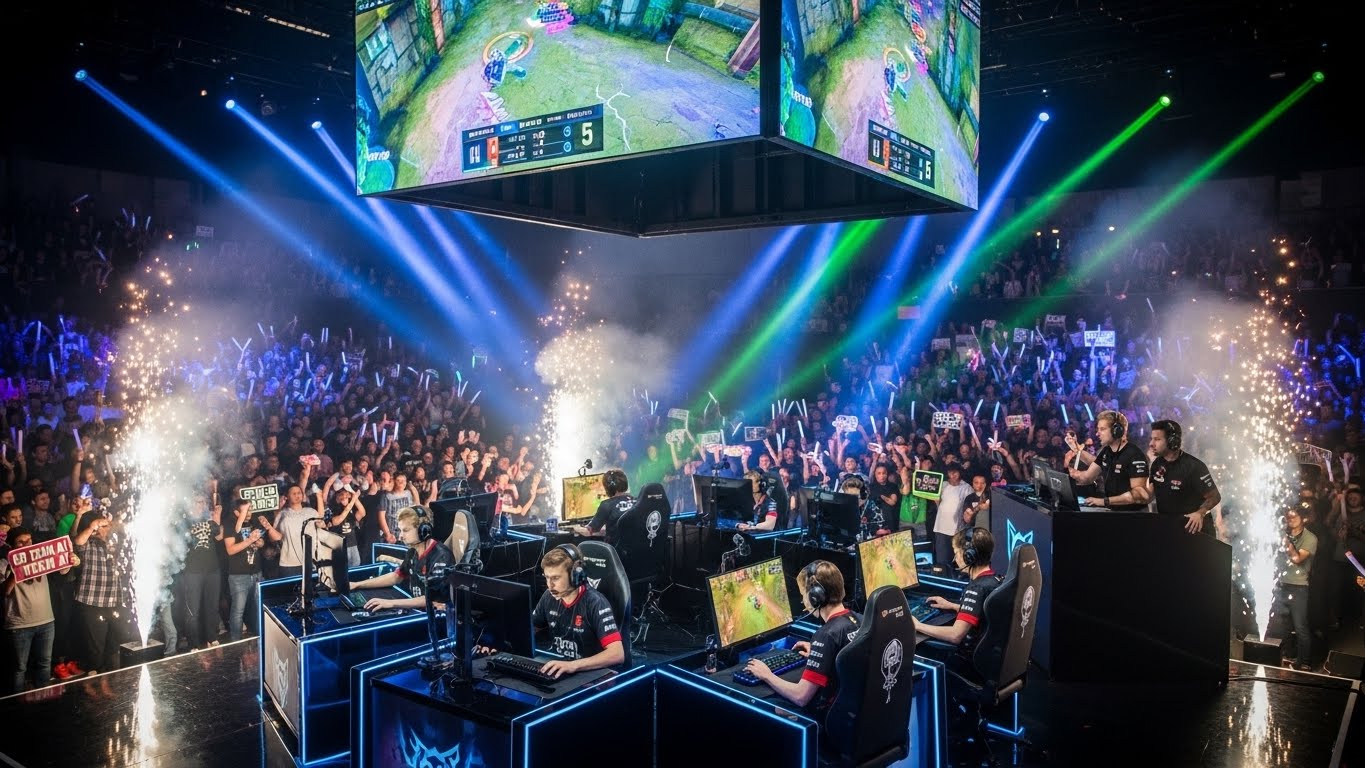
Games like League of Legends, Dota 2, and Smite are the crown jewels of the MOBA genre. These games focus on strategy, teamwork, and individual skill, where two teams of players battle against each other in arenas to destroy the opposing team’s base. Matches require careful coordination, as players must work together to outsmart their opponents, make tactical decisions, and master complex character abilities.
The competitive scene for MOBAs is one of the most lucrative in esports, with multi-million-dollar prize pools and global tournaments that attract millions of viewers. League of Legends, in particular, has seen massive success, with its world championship drawing crowds that rival those of traditional sports finals.
First-Person Shooters (FPS)
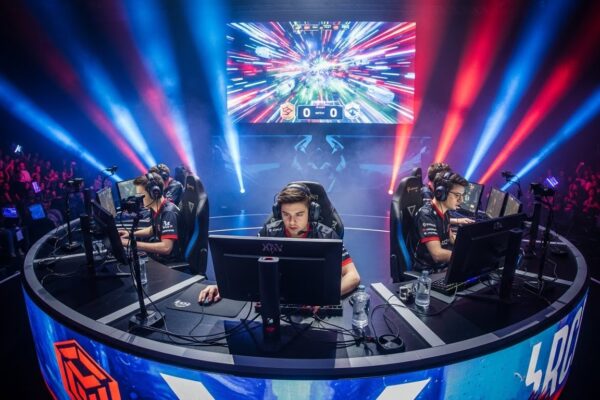
Counter-Strike, Call of Duty, and Overwatch are some of the most prominent titles in the FPS genre. These games focus on fast-paced combat and require players to have precise aim, quick reflexes, and effective communication. Esports tournaments in the FPS genre are known for their high-intensity action, and the skill level required is comparable to that of traditional athletes.
Valorant, a newer title by Riot Games, has quickly risen to prominence within the FPS esports community, with millions of viewers tuning in to watch tournaments and matches. The global appeal of FPS esports is undeniable, and the genre continues to grow with new titles constantly emerging.
Battle Royale Games
The Battle Royale genre took the gaming world by storm, thanks to titles like Fortnite, PUBG, and Apex Legends. These games typically feature large maps where players fight to be the last one standing, combining elements of strategy, survival, and combat. The unpredictable nature of these games makes them exciting for both players and viewers, with the action often coming down to the final moments.
The Battle Royale genre has had a significant impact on esports by attracting a more casual audience while still providing intense competition for professional players. Fortnite, in particular, has held massive tournaments with large prize pools, making it one of the most successful esports titles in recent years.
Sports Simulations
Sports simulation games like FIFA, NBA 2K, and Madden NFL are another important segment of esports. These games replicate traditional sports, allowing players to compete against each other using real-life teams and players. While they may not have the same level of complexity as other esports genres, sports simulations have attracted a wide range of players and fans who enjoy the thrill of virtual sports competition.
Fighting Games
Fighting games like Street Fighter, Super Smash Bros., and Tekken are a staple of competitive gaming. These games focus on one-on-one combat and require precise inputs, quick reflexes, and a deep understanding of the characters and their move sets. Fighting games have a rich history in the esports community, with long-running tournaments like EVO drawing top-tier competitors from around the world.
Esports Careers: More Than Just Playing Games
Esports is not just about playing games professionally; it has created a whole ecosystem of careers and opportunities. Beyond the players, there are coaches, analysts, casters (commentators), event organizers, content creators, marketing professionals, and more. These roles are vital to the success of the esports industry, and many people work behind the scenes to ensure that tournaments run smoothly and that teams and players succeed.
For many players, esports offers a chance to turn their passion into a career. With top-tier players earning millions in prize money, sponsorships, and streaming revenue, professional gaming has become a legitimate career path for those with the skill and dedication to succeed.
The Social and Cultural Impact of Esports
Esports has not only transformed the gaming landscape but also had a significant impact on broader culture. The growth of online communities, live streaming, and fan interactions has brought people together in ways traditional sports cannot. Fans now have direct access to players and events, enabling them to connect, cheer, and share in the excitement of competitions.
Esports also plays an important role in shaping youth culture, with younger generations viewing gaming as an integral part of their social lives. Many esports players have become global celebrities, gaining recognition and endorsement deals from major brands. Esports has made gaming a social activity, one that can be enjoyed by anyone, anywhere.
The Challenges and Future of Esports
While esports has experienced significant growth, the industry is not without its challenges. Issues like player burnout, mental health concerns, and inconsistent regulation continue to affect the professional gaming community. As esports continues to expand, addressing these issues will be key to ensuring the long-term success and sustainability of the industry.
Looking ahead, esports is poised to continue growing at an incredible pace. New technologies, such as virtual reality (VR) and augmented reality (AR), have the potential to revolutionize the way games are played and spectated, opening up new opportunities for competition and engagement. Additionally, the integration of esports with traditional sports and media platforms is likely to continue, bringing competitive gaming into the mainstream.
Conclusion: Esports as a Permanent Fixture in Entertainment
Esports has emerged as one of the most significant cultural and entertainment phenomena of the 21st century. What began as a niche activity has now become a global industry, attracting millions of viewers, players, and investors. The rapid growth of esports can be attributed to the combination of technological advancements, passionate communities, and the professionalization of competitive gaming.
As we look to the future, it’s clear that esports is here to stay. The industry’s ability to adapt, innovate, and connect with fans across the globe will ensure its continued relevance for years to come.