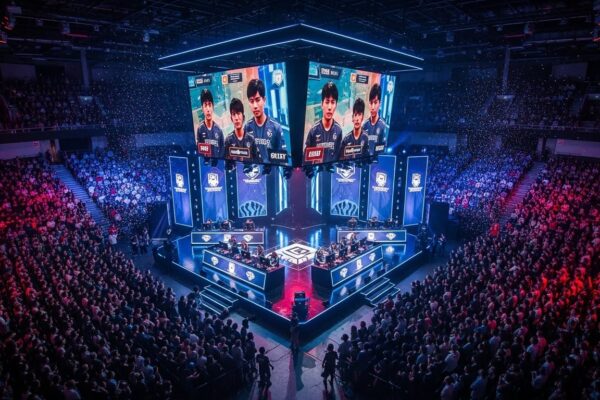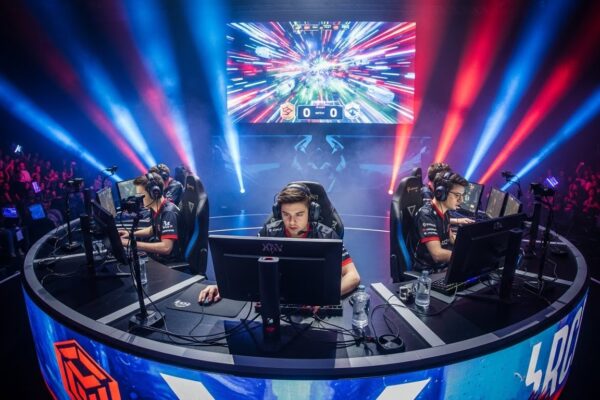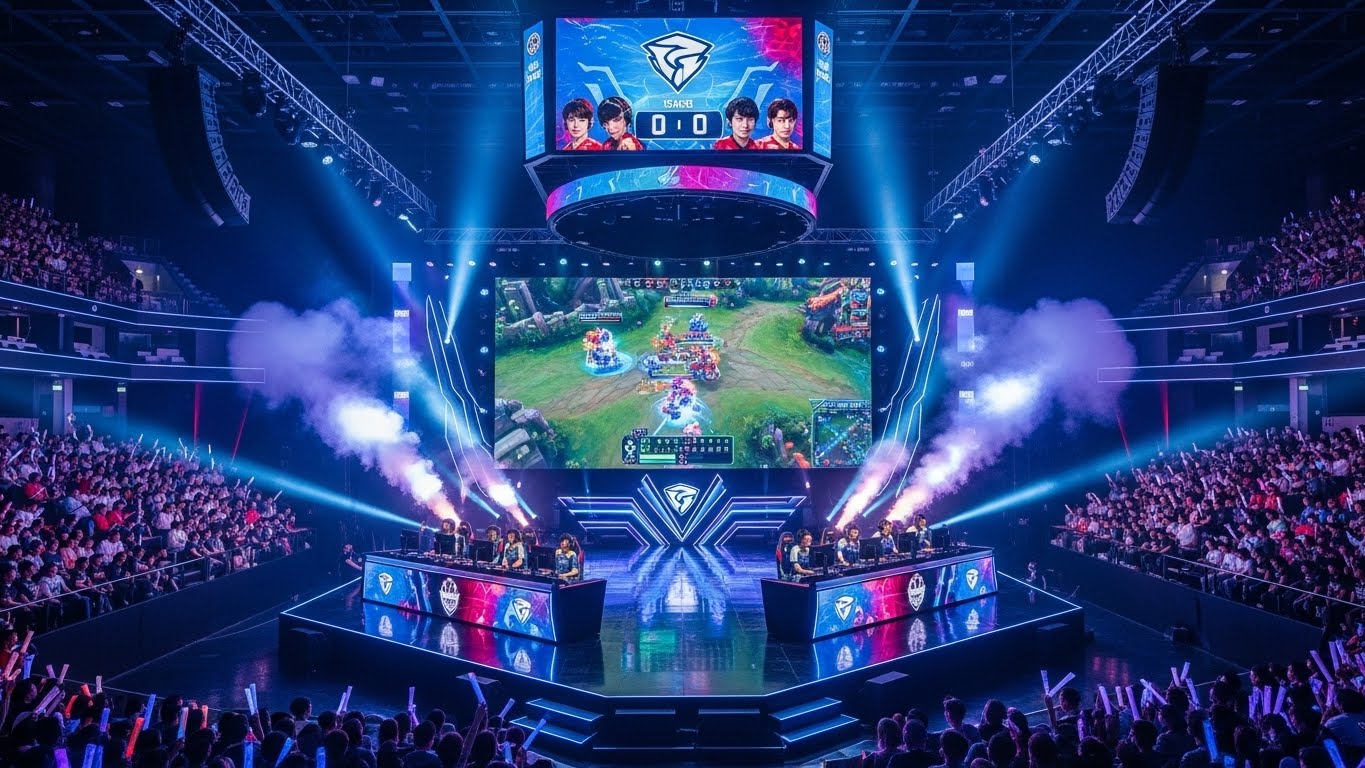
Esports, once a niche interest, has exploded into a global phenomenon, captivating millions of fans and transforming the way we think about competition and entertainment. What began as small, local tournaments has now become a multi-billion-dollar industry with massive sponsorship deals, dedicated teams, and live events streamed to millions of viewers worldwide. The rise of esports has not only altered the landscape of gaming but has also impacted traditional sports, media, and the culture at large. This blog post delves into the factors driving the success of esports, its cultural impact, and what the future holds for this fast-growing sector.
The Origins and Evolution of Esports
Esports, short for electronic sports, refers to organized, multiplayer video game competitions where professional players and teams face off in digital arenas. The concept of competitive gaming dates back to the early days of arcade games in the 1970s and 1980s, with tournaments like the Space Invaders Championship in 1980 marking one of the first formal competitive events. However, it wasn’t until the 2000s, with the advent of faster internet speeds and the rise of online multiplayer games, that esports truly began to take shape as we know it today.
Games like StarCraft, Warcraft III, and Counter-Strike provided the foundation for modern esports competitions, allowing players from across the globe to compete against each other in real time. Online platforms like Battle.net and Steam helped to foster communities of players, while professional tournaments began to emerge in key locations such as South Korea, where the growth of competitive gaming was initially nurtured.
As the years went on, the increasing accessibility of high-speed internet, the rise of streaming platforms like Twitch, and the professionalization of esports organizations played a key role in propelling competitive gaming to the forefront of entertainment. Today, esports has become a global industry that spans a wide range of game genres, from real-time strategy (RTS) and first-person shooters (FPS) to multiplayer online battle arena (MOBA) games and battle royale titles.
Key Factors Behind the Rapid Growth of Esports
The rapid growth of esports can be attributed to several factors, including advancements in technology, changing cultural perceptions of gaming, and the rise of lucrative business opportunities. Let’s explore these key elements in detail.
1. The Rise of Streaming Platforms
One of the most significant drivers of esports’ success has been the rise of live streaming platforms. Websites like Twitch, YouTube Gaming, and Facebook Gaming have made it easier than ever for gamers to broadcast their skills to a global audience. These platforms provide fans with an interactive experience, allowing them to engage with streamers, chat with other viewers, and even participate in live voting and events.
In particular, Twitch has become the epicenter of esports streaming, where professional players, teams, and event organizers broadcast live tournaments, practice sessions, and other content. The platform’s success has drawn major brands and sponsors to the esports scene, helping to create an ecosystem that generates millions in revenue through advertisements, subscriptions, and donations.
2. The Professionalization of Esports
In its early days, esports was largely driven by community-organized events. Today, however, esports is an industry in its own right, with highly professionalized teams, coaching staff, analysts, and broadcasters. Top esports players train rigorously and are often compared to athletes in traditional sports due to the mental and physical demands of competitive gaming. Esports organizations have become more structured, with franchises and leagues mirroring the format of traditional sports leagues like the NBA or NFL.
Tournaments such as The International (for Dota 2), League of Legends World Championship, and Overwatch League have attracted massive audiences, both in person and online. These events feature high-stakes competition, large prize pools, and the best players in the world battling for supremacy. Sponsorships from major companies, including tech giants like Intel and Nvidia, as well as non-endemic brands like Coca-Cola and Mercedes-Benz, have elevated esports to the level of major sports.
3. Increased Investment and Sponsorship
As esports has grown, so has its financial backing. The industry is now a multi-billion-dollar enterprise, attracting significant investments from both gaming-related and non-gaming companies. Brands from outside the gaming world, including Adidas, Red Bull, and Samsung, are increasingly pouring money into esports sponsorships, recognizing the massive reach and appeal of competitive gaming.
The influx of corporate investment has led to larger prize pools, improved production value at events, and increased media coverage. Additionally, the integration of esports into traditional media channels, such as ESPN and the BBC, has further cemented the status of competitive gaming as a mainstream form of entertainment.
4. Changing Perceptions of Gaming
One of the most significant cultural shifts has been the changing perception of video games. What was once viewed as a pastime for teenagers or a “waste of time” has evolved into a legitimate career path. The idea of making a living by playing video games was once considered unrealistic, but today, it’s a reality for many top esports athletes and content creators.
With the rise of professional leagues, media coverage, and the increasing recognition of esports as a legitimate form of competition, gaming has gained wider acceptance in society. Many parents, who once discouraged their children from spending time playing games, now see esports as a potential career opportunity. Educational institutions have also embraced esports, with universities offering scholarships and creating dedicated esports programs to nurture the next generation of players and industry professionals.
The Impact of Esports on Traditional Sports
Esports is often compared to traditional sports, but how does it stack up in relation to the “real” games we watch on TV? In some ways, esports and traditional sports are quite similar, and in others, they are vastly different. Here’s a closer look at how esports has impacted the world of traditional sports.
1. Fan Engagement and Audience Growth
Esports has had a profound impact on fan engagement. Unlike traditional sports, where fans watch games on television or in stadiums, esports fans can interact with players and teams in real-time. Live-streaming platforms allow fans to engage directly with their favorite players, whether it’s by chatting during a match or participating in community events. This level of interaction has made esports particularly attractive to younger audiences who are used to engaging with digital content on platforms like YouTube, TikTok, and Instagram.
Additionally, the global reach of esports has expanded the definition of what it means to be a sports fan. Esports fans can tune in from anywhere in the world, transcending geographic boundaries. In contrast, traditional sports are often restricted to regional leagues or broadcasted through networks that are not always accessible to global viewers.
2. Sponsorship and Revenue Generation
The influx of corporate sponsorship into esports has mirrored the trend seen in traditional sports. As esports has grown in popularity, so too has its revenue potential. Major brands have recognized that esports offers access to a young, tech-savvy demographic that is highly engaged with their favorite games and players. The value of sponsorships, advertising, merchandise sales, and media rights deals in esports is now rivaling that of traditional sports leagues.
Furthermore, esports has attracted a new generation of investors. Venture capitalists, entrepreneurs, and large corporations are all eager to stake their claim in the esports industry, knowing that the potential for growth is immense. This influx of investment is helping to professionalize the industry even further, with better training facilities, more structured leagues, and higher-quality broadcasts.
3. Esports and the Evolution of Traditional Sports Broadcasting
While esports may not have the physicality of traditional sports, it has revolutionized sports broadcasting. The production value of esports events has reached new heights, with commentators, analysts, and live statistics enhancing the viewer experience. Streaming platforms, coupled with interactive features like live chats and real-time polls, have transformed the way fans consume esports content.
Traditional sports broadcasters are taking note of these innovations and are adapting their own coverage to attract younger viewers. Some networks have started experimenting with live-streaming games on digital platforms and integrating interactive elements into their broadcasts to engage fans in new ways.
The Future of Esports: What’s Next?
The future of esports looks incredibly promising, with several exciting developments on the horizon. Here are some trends and predictions for the future of competitive gaming.
1. The Continued Rise of Mobile Esports
Mobile gaming has seen exponential growth in recent years, and this trend is expected to continue. Games like PUBG Mobile, Free Fire, and Clash Royale have already established a strong presence in the esports scene, particularly in regions like Southeast Asia, where mobile gaming is incredibly popular. As smartphones become more powerful, we can expect more high-quality mobile esports titles to emerge, further broadening the appeal of competitive gaming.
2. The Integration of Virtual and Augmented Reality
Virtual reality (VR) and augmented reality (AR) have the potential to completely transform the esports experience. Imagine being able to watch a match from a first-person perspective or even participate in the action yourself. As VR technology becomes more mainstream and accessible, we may see esports events that offer immersive, interactive experiences for both players and fans.
3. The Growth of College and High School Esports
Esports has already made its way into colleges and universities, with many schools offering scholarships and establishing dedicated esports programs. As more high schools begin to recognize esports as a legitimate extracurricular activity, we can expect even greater interest in competitive gaming at the youth level. This grassroots movement will help nurture future esports stars and professionals, further fueling the growth of the industry.