Introduction: The Digital Arena Comes of Age
Esports, once dismissed as a niche pastime for dedicated gamers, has transformed into a global cultural phenomenon. What began in small computer labs and local arcades has evolved into packed stadiums, multimillion-dollar prize pools, and a fan base that rivals traditional sports. Esports is no longer just about playing video games competitively; it is about community, identity, entertainment, and the future of digital interaction. This blog explores how esports rose to prominence, how it functions today, and why it matters far beyond the screen.
The Origins of Competitive Gaming
Competitive gaming did not emerge overnight. In the early days of video games, competition was informal, often limited to high-score leaderboards or friendly rivalries among friends. As technology advanced, multiplayer gaming became more accessible, allowing players to compete in real time across cities and countries. This shift laid the groundwork for organized competitions.
The introduction of the internet played a critical role in esports growth. Online connectivity allowed players to test their skills against a broader pool of opponents, while forums and early streaming platforms helped communities form around specific games. Over time, tournaments became more structured, rules were standardized, and professional teams began to appear. What was once casual competition turned into a serious pursuit.
What Defines Esports Today
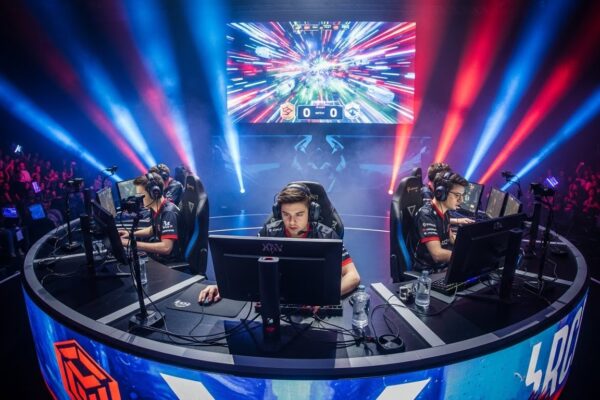
Modern esports is defined by structure, professionalism, and scale. Professional players train for hours each day, refining their mechanics, strategies, and teamwork. Teams are supported by coaches, analysts, psychologists, and managers, mirroring the support systems found in traditional sports organizations.
Esports titles span multiple genres, including strategy games, shooters, sports simulations, and battle arenas. Each genre demands a unique skill set, from lightning-fast reflexes to deep strategic planning. This diversity allows esports to appeal to a wide audience, ensuring that there is something for every type of viewer and player.
The Role of Technology in Esports Growth
Technology is the backbone of esports. High-performance gaming hardware, low-latency internet connections, and advanced software tools enable fair and competitive play. Streaming technology has been particularly influential, allowing fans to watch matches live, interact with broadcasters, and follow their favorite players in real time.
Advancements in data analytics have also changed how teams prepare and compete. Performance metrics, replay analysis, and opponent scouting are now standard practices. These tools help teams make informed decisions and continuously improve, pushing the competitive level higher with each season.
Esports as Entertainment
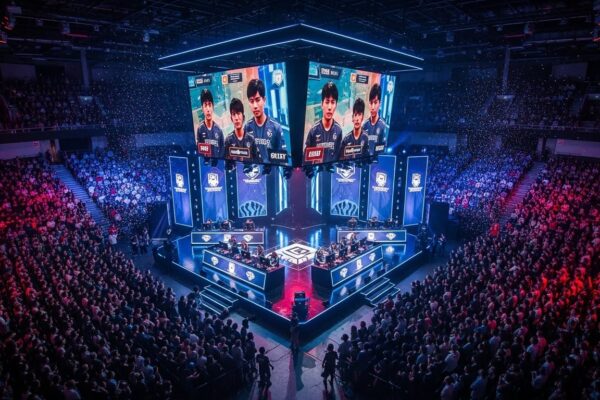
Esports is not just about competition; it is also about entertainment. Live events are carefully produced spectacles, complete with commentary, music, visual effects, and storytelling. Casters play a crucial role in making matches accessible and exciting, explaining complex strategies while building emotional narratives around players and teams.
The entertainment value of esports extends beyond tournaments. Content creators produce behind-the-scenes videos, documentaries, and personal streams that allow fans to connect with players on a human level. This constant flow of content keeps audiences engaged year-round, not just during major events.
The Business of Esports
The esports industry has grown into a significant economic force. Revenue streams include sponsorships, advertising, merchandise, ticket sales, and media rights. Major brands from technology, fashion, food, and automotive industries have entered the space, recognizing the value of reaching a young, digitally savvy audience.
Teams and leagues operate as businesses, balancing competitive success with financial sustainability. Investment from venture capital firms and traditional sports organizations has accelerated growth, but it has also introduced challenges. Managing budgets, ensuring fair player contracts, and maintaining long-term stability are ongoing concerns within the industry.
Esports and Youth Culture
One of the most powerful aspects of esports is its connection to youth culture. For many young people, esports represents a space where skill, creativity, and dedication are rewarded regardless of physical attributes. This inclusivity has helped esports resonate with a generation raised in digital environments.
Esports also influences fashion, language, and social trends. Team jerseys, gaming peripherals, and in-game cosmetics have become status symbols. Online communities form around shared interests, creating a sense of belonging that extends beyond the games themselves. For many fans, esports is not just something they watch; it is part of who they are.
Education and Career Opportunities
As esports has matured, it has opened doors to new educational and career paths. Schools and universities now offer esports programs, scholarships, and courses focused on game design, event management, broadcasting, and marketing. These initiatives recognize that the skills developed through esports can translate into valuable real-world competencies.
Career opportunities in esports extend far beyond playing professionally. Roles in coaching, production, journalism, software development, and community management are in high demand. This ecosystem allows individuals with diverse talents to find a place within the industry, contributing to its continued growth.
Health, Discipline, and Balance
Despite its many benefits, esports also faces criticism, particularly regarding health and lifestyle concerns. Long hours of practice can lead to physical strain and mental fatigue if not managed properly. In response, professional organizations are increasingly prioritizing player well-being.
Structured training schedules, physical exercise, mental health support, and nutritional guidance are becoming standard at the highest levels. These measures highlight an important truth: success in esports, like any competitive field, requires balance, discipline, and self-care.
Esports on the Global Stage
Esports is inherently global. Players from different countries and cultures compete on equal footing, united by shared rules and digital spaces. International tournaments showcase this diversity, turning esports into a platform for cross-cultural exchange.
This global nature has also sparked discussions about esports as a legitimate sport. While debates continue, many governments and institutions now recognize esports athletes and events. As acceptance grows, esports is increasingly seen as a natural evolution of competitive entertainment in a digital world.
The Future of Esports
Looking ahead, the future of esports appears both exciting and complex. Emerging technologies such as virtual reality, augmented reality, and artificial intelligence may redefine how games are played and experienced. New titles will rise, others will fade, and the competitive landscape will continue to evolve.
Sustainability will be a key focus. Building stable leagues, protecting players, and nurturing grassroots communities will determine whether esports can maintain its momentum. If these challenges are met, esports has the potential to become a lasting pillar of global culture.
Conclusion: More Than a Game
Esports is more than competitive gaming; it is a reflection of how society interacts with technology, entertainment, and community. It blends skill and strategy with storytelling and spectacle, creating experiences that resonate with millions around the world.
As esports continues to grow, it challenges traditional ideas about sports, work, and play. It shows that passion, discipline, and teamwork can thrive in digital spaces just as they do on physical fields. In doing so, esports is not just shaping the future of gaming, but the future of culture itself.