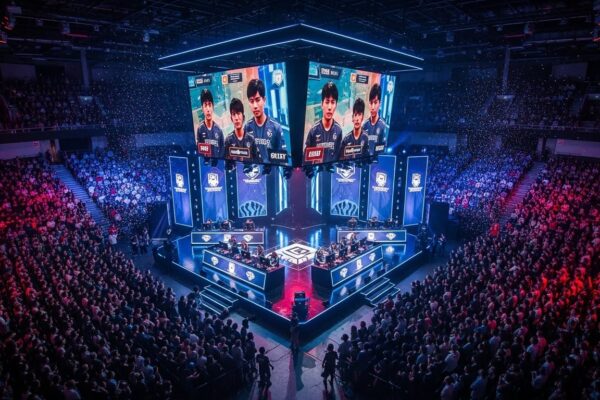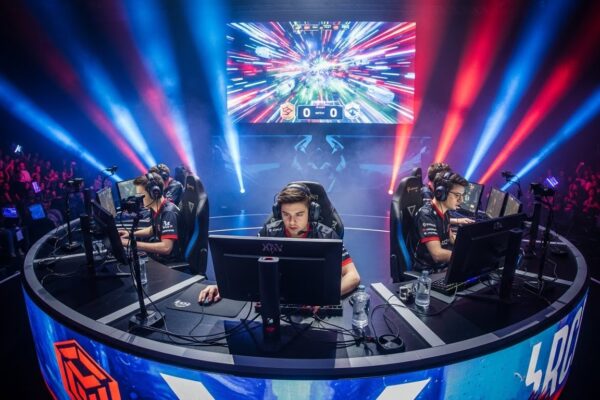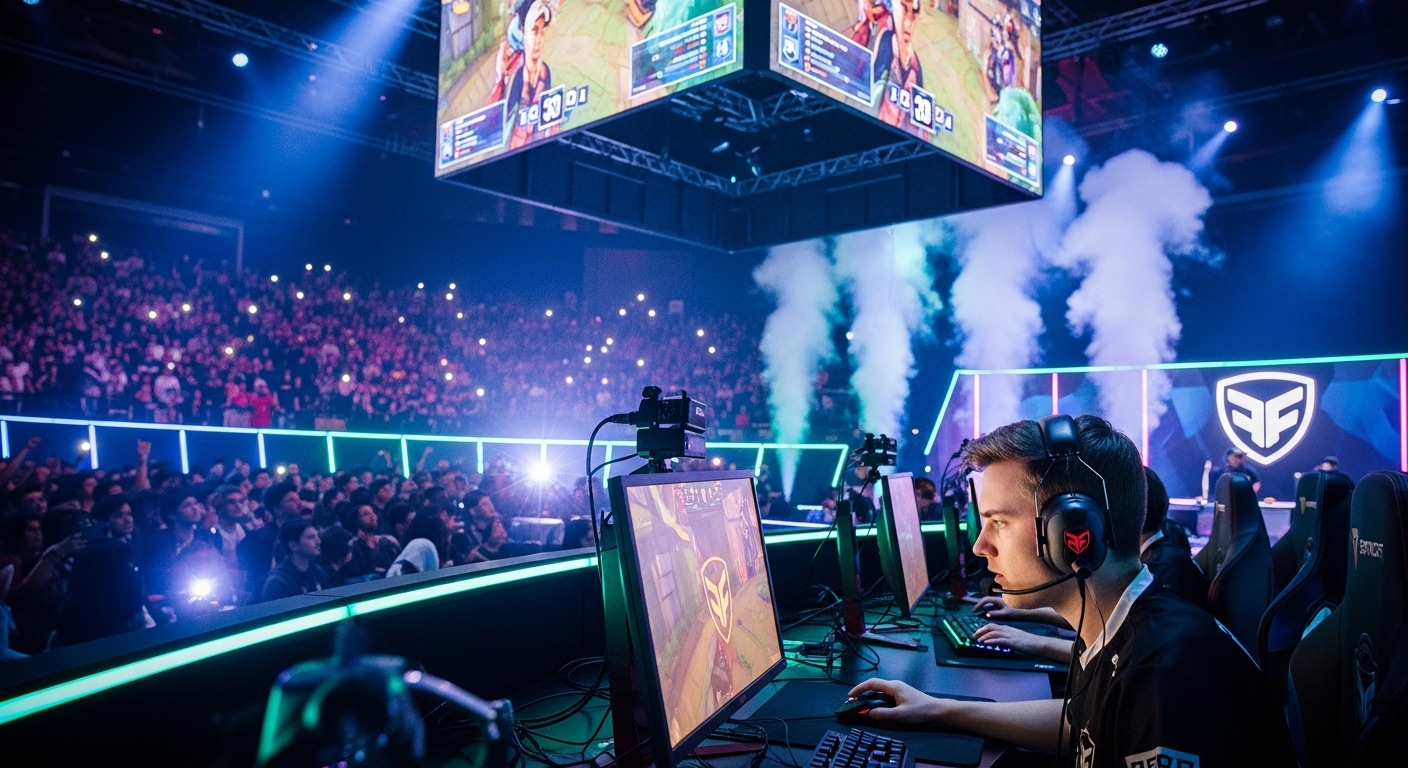
Esports, short for electronic sports, has emerged as one of the most influential and dynamic industries in the twenty-first century. Combining the excitement of traditional sports with the creativity and innovation of digital gaming, esports has grown from niche communities to a global phenomenon. Millions of fans tune in to watch professional players compete in tournaments across a variety of games, ranging from strategy and shooters to sports simulations and multiplayer online battle arenas. The rise of esports reflects not only technological advancements but also the cultural and social impact of competitive gaming in modern society.
This blog delves into the origins, evolution, professionalization, economic impact, and cultural significance of esports, highlighting its growth as both an entertainment industry and a legitimate competitive arena.
The Origins of Esports
The roots of esports can be traced back to the late 1970s and early 1980s when gaming arcades became popular. Early competitions were informal events where players competed for high scores on games like Space Invaders, Pac-Man, and Donkey Kong. One of the earliest large-scale tournaments, the Space Invaders Championship in 1980, attracted thousands of participants and demonstrated the potential for gaming as a spectator activity.
During this period, home consoles began gaining popularity. Systems like the Atari 2600 and the Nintendo Entertainment System allowed players to compete from the comfort of their homes, setting the stage for the rise of organized, community-driven competitions. These early developments highlighted the social and competitive potential of gaming beyond casual entertainment.
The Evolution of Multiplayer Gaming
The 1990s were a transformative era for competitive gaming, marked by the emergence of multiplayer games and networked competition. Titles like Doom, Quake, and StarCraft allowed players to engage in real-time matches against others, introducing strategy, teamwork, and coordination into digital play. Multiplayer gaming created communities, fostered rivalries, and emphasized skill-based competition.
South Korea became a pioneer in the professionalization of esports during this period. StarCraft competitions achieved national popularity, and professional players achieved celebrity status. Internet cafes, known as PC bangs, became training grounds for aspiring esports athletes, while televised tournaments helped legitimize competitive gaming in the public eye. The infrastructure developed in South Korea provided a model for other countries to establish organized leagues and professional circuits.
Professionalization of Esports
By the early 2000s, esports had evolved from informal competitions to structured professional leagues. Players began joining teams, receiving salaries, and participating in organized tournaments. Popular titles such as Counter-Strike, Warcraft III, Halo, and DotA became central to the competitive scene, attracting international attention.
Organizations like Major League Gaming in North America formalized esports competitions with standardized rules, schedules, and media coverage. Professional players trained rigorously, dedicating hours each day to improving mechanics, studying opponents, and developing strategies. Sponsorship deals and prize money created financial incentives that reinforced the professionalization of esports. Players were no longer hobbyists—they became athletes in their own right, with a focus on skill, teamwork, and strategy.
Global Expansion of Esports
Esports has grown into a worldwide phenomenon, attracting millions of fans across continents. High-profile tournaments fill arenas and stadiums, while online streaming platforms allow global audiences to watch matches in real time. Popular games like League of Legends, Dota 2, Fortnite, and Call of Duty dominate the competitive scene, attracting both players and spectators.
Major tournaments, such as The International for Dota 2 and the League of Legends World Championship, offer prize pools in the millions, rivaling traditional sports in financial scale. These events are not only competitions but also cultural spectacles, complete with elaborate production, live commentary, and fan engagement. The global reach of esports has positioned it as a major component of contemporary entertainment culture.
Structure of Esports Competitions
Esports competitions are organized with structured formats similar to traditional sports leagues. Professional teams include players with specialized roles, supported by coaches, analysts, and management staff. Players engage in daily training routines to refine skills, develop strategies, and maintain peak performance.
Tournaments follow hierarchical systems, including regional qualifiers, league matches, and international championships. This structure ensures that competition remains merit-based and fosters a high level of skill across participants. Financial incentives, sponsorships, and media exposure provide motivation and sustainability for professional players. The professionalism of these systems has elevated esports from hobbyist activity to legitimate global sport.
The Role of Streaming and Audience Engagement
Streaming platforms have been crucial to the growth of esports. Platforms such as Twitch and YouTube Gaming allow fans to watch live matches, interact with commentators, and follow players’ careers closely. Streaming has transformed esports into a participatory experience, enabling fans to engage directly with the content.
Revenue from streaming comes from multiple sources, including subscriptions, donations, and advertising. Interactive features such as live chat foster a sense of community, allowing audiences to influence discussions, cheer for their favorite players, and feel part of the competitive scene. Streaming has also created opportunities for content creators, who build personal brands and careers around their esports involvement.
Economic Impact of Esports
The esports industry has become a major economic force, generating billions of dollars annually. Revenue streams include advertising, sponsorships, media rights, ticket sales, merchandise, and digital content. Major corporations invest in esports to connect with young, tech-savvy audiences, recognizing the industry’s influence on consumer behavior.
Esports organizations operate like professional sports franchises, managing teams, marketing campaigns, content production, and event planning. Beyond players, the industry supports a wide range of careers, including coaching, analysis, broadcasting, event management, and software development. This economic ecosystem demonstrates that esports is not only entertainment but also a robust, sustainable industry.
Training, Strategy, and Discipline in Esports
Professional esports requires rigorous training and disciplined preparation. Players devote hours each day to refining mechanical skills, studying opponents, and developing strategies. Reflexes, situational awareness, and mental resilience are essential components of success.
Support staff, including coaches, analysts, and psychologists, help maintain players’ physical and mental health. Structured training schedules, nutrition plans, and wellness programs prevent burnout and optimize performance. The dedication required in esports parallels that of traditional sports, emphasizing skill, preparation, and teamwork as key drivers of achievement.
Technology and Innovation in Esports
Technology is at the heart of esports. High-performance gaming PCs, low-latency internet connections, and precision peripherals are critical for competitive play. Data analytics and artificial intelligence help teams analyze performance, optimize strategies, and anticipate opponents’ tactics.
Virtual reality and augmented reality are emerging trends that promise to redefine esports experiences. VR and AR could create immersive competitions, blending physical and digital environments in ways that transform how players and audiences interact with the games. As technology continues to evolve, esports will become increasingly sophisticated, interactive, and engaging.
Esports in Education
Educational institutions have recognized the value of esports, with schools and universities offering programs, scholarships, and competitive leagues. Collegiate esports teams teach students valuable skills, including leadership, teamwork, communication, and strategic thinking.
Collegiate tournaments provide opportunities for regional and national competition, preparing students for professional esports careers. Integrating esports into education reflects its growing legitimacy as a structured, skill-based activity with real-world benefits for participants.
Cultural Influence of Esports
Esports has significantly influenced modern culture, particularly among youth. Professional players achieve celebrity status, shaping fashion, social media trends, and online communities. Fans engage in fandoms, create content, and participate in events that celebrate gaming culture.
The international nature of esports fosters cross-cultural interaction. Players and fans from diverse backgrounds connect through shared interests, creating a global community united by competition, creativity, and collaboration. Esports extends beyond games—it is a cultural phenomenon that shapes identity, entertainment, and social connection worldwide.
Challenges Facing Esports
Despite its growth, esports faces challenges such as player burnout, mental health issues, and the pressures of high-stakes competition. Long hours of practice, public scrutiny, and intense rivalry can lead to stress and fatigue. Organizations are addressing these concerns with wellness programs, mental health support, and structured schedules.
Other challenges include maintaining competitive integrity, preventing cheating, and standardizing regulations across tournaments. Governance, fairness, and transparency are essential to sustaining the credibility and growth of the industry. Successfully addressing these challenges will be critical for the long-term sustainability of esports.
The Future of Esports
The future of esports is bright and full of potential. Emerging technologies, including VR, AR, and AI, will transform competition and audience engagement. Mobile esports will continue to expand, offering accessibility and participation to new demographics worldwide.
Esports will increasingly intersect with traditional sports, entertainment, and media, creating hybrid forms of competition and content. International tournaments will grow in scale, prize money, and production quality, further solidifying esports as a mainstream form of entertainment. The convergence of technology, creativity, and competitive spirit ensures that esports will remain at the forefront of innovation and cultural influence.
Conclusion
Esports has evolved from informal arcade competitions to a global industry with professional players, millions of fans, and significant economic impact. It combines skill, strategy, teamwork, and entertainment in ways that rival traditional sports. The industry has created career opportunities, shaped culture, and influenced education, proving that competitive gaming is both legitimate and transformative.
As technology advances, esports will continue to redefine entertainment, competition, and global connectivity. It is more than just playing video games—it is about dedication, creativity, and community. Esports unites players and fans worldwide, shaping the future of digital competition and entertainment for generations to come.