Introduction
Once upon a time, video games were considered a simple pastime — a way to unwind after school or work. They were played for fun, relaxation, and sometimes friendly competition between friends. No one could have imagined that these pixelated pastimes would one day transform into a global phenomenon known as Esports. Today, Esports stands shoulder to shoulder with traditional sports, drawing millions of viewers, offering million-dollar prize pools, and creating global celebrities out of gamers.
This blog will explore the rise, evolution, and impact of Esports — from its humble beginnings to its bright and booming future. We’ll delve into how technology, passion, and community have shaped one of the most exciting industries in the modern world.
The Early Days of Competitive Gaming
The concept of competitive gaming is not new. The very first recorded video game competition took place in 1972 at Stanford University. Students competed in a game called Spacewar, and the winner received a year’s subscription to a magazine. It was small, humble, and largely experimental, but it marked the beginning of something remarkable.
The 1980s saw the rise of arcade games, where players competed for high scores on classics like Pac-Man and Donkey Kong. Leaderboards became the first version of public competition. Being at the top of a leaderboard meant fame in your local arcade. By the early 1990s, console and PC gaming had entered homes, setting the stage for organized tournaments and competitive play across different platforms.
As the internet started to connect people globally, the idea of competing with others across the world became possible. This connectivity revolutionized gaming forever. The 1990s and early 2000s became the birthplace of Esports as we know it.
The Birth of Professional Esports
When multiplayer online games emerged, everything changed. Titles like StarCraft, Counter-Strike, and Quake were among the first to have structured tournaments that attracted serious competitors. South Korea quickly became the heart of the Esports revolution. By the late 1990s, gaming cafes, known as PC bangs, filled with players mastering their craft. Television stations even began broadcasting StarCraft matches, and professional gamers became national icons.
The 2000s marked a turning point. Global tournaments like the World Cyber Games and Major League Gaming appeared, offering cash prizes and sponsorships. For the first time, players could make a living doing what they loved most — gaming. Esports was no longer just a hobby. It was a profession, a career, and a lifestyle.
The Explosion of Online Streaming
The real explosion of Esports came with the rise of live streaming. Before streaming, watching gaming competitions meant attending events in person or waiting for recorded broadcasts. But once streaming became mainstream, the entire world gained instant access to competitive gaming.
Platforms that allowed live game streaming connected players and fans in real time. This shift made Esports more accessible and engaging. Viewers could now watch matches, learn from professionals, and even interact with them through chat. The barrier between professional gamers and their fans disappeared. Esports wasn’t just entertainment anymore; it became an interactive experience.
Streaming gave rise to gaming celebrities — individuals who built global followings, influenced gaming culture, and turned their passion into full-time careers. Esports teams and organizations capitalized on this visibility, growing their fanbases, attracting sponsorships, and expanding internationally.
The Major Games That Shaped Esports
Every sport has its icons, and so does Esports. Certain games became the pillars that defined competitive gaming culture and attracted massive audiences.
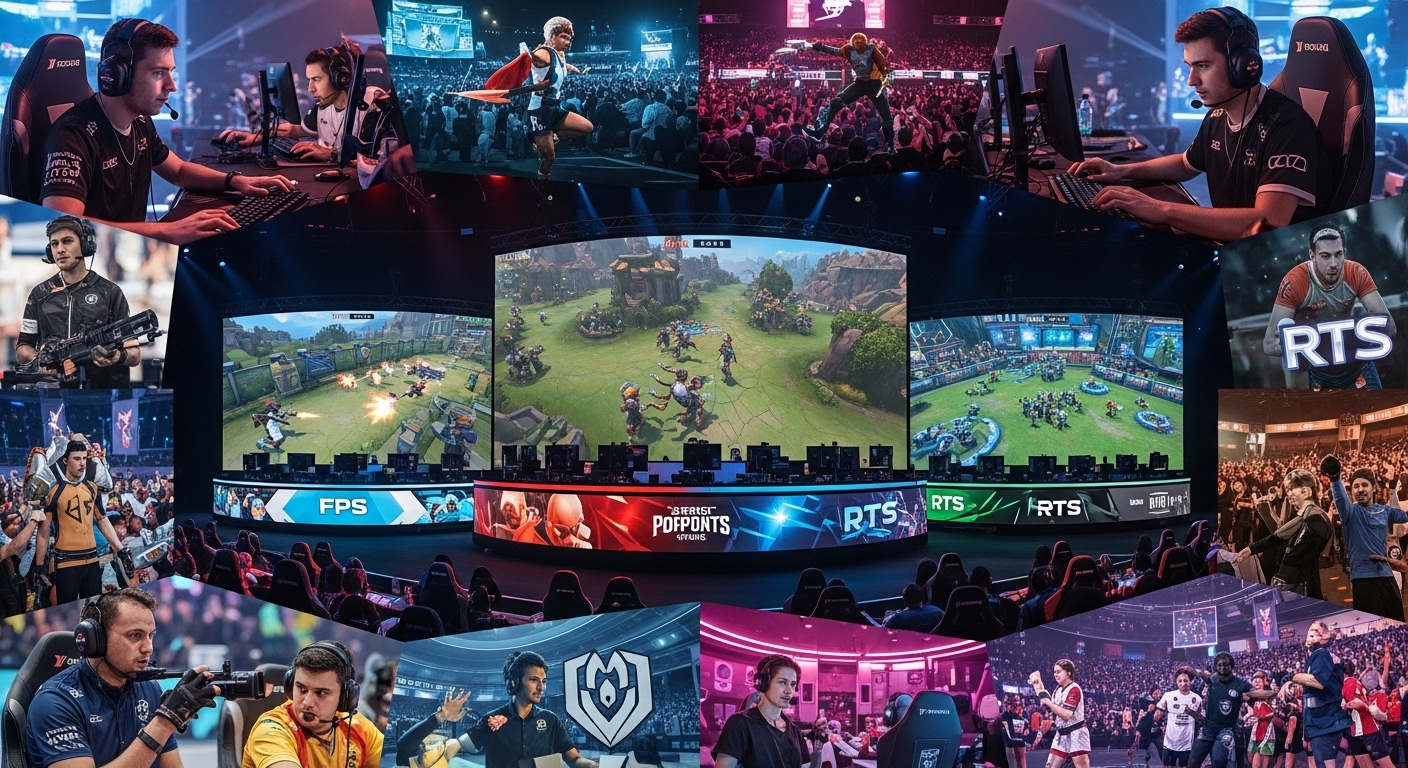
League of Legends became a worldwide sensation, known for its fast-paced gameplay and massive annual World Championship. Dota 2, another multiplayer online battle arena (MOBA) game, set records with its prize pools, reaching tens of millions of dollars. Counter-Strike: Global Offensive carried the torch for tactical shooters, combining strategy, precision, and teamwork. Call of Duty and Overwatch brought cinematic experiences and league-style competitions that mirrored traditional sports structures.
Meanwhile, Fortnite and PUBG popularized the battle royale genre, blending entertainment, creativity, and high-stakes competition. Each of these games contributed something unique to the Esports ecosystem, pushing the boundaries of what gaming could achieve.
The Professional Player’s Life
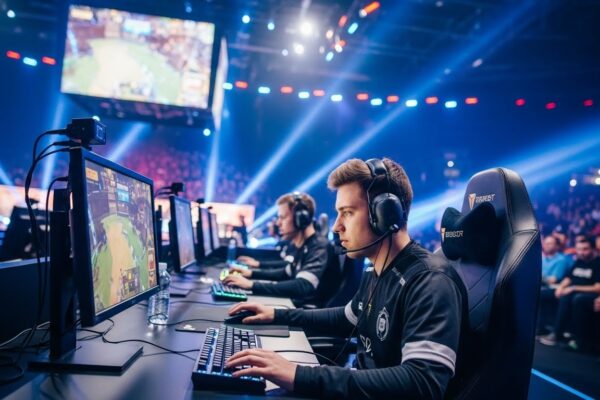
Behind every great Esports competition lies intense dedication and discipline. The life of a professional Esports player is not as effortless as it seems. Players train for hours daily, studying strategies, refining reaction times, and improving communication with teammates. They analyze their mistakes, review footage, and constantly adapt to evolving game mechanics.
Top players are often recruited by professional organizations that provide them with coaches, nutritionists, and performance analysts. Many live together in gaming houses or training facilities, where they follow structured schedules similar to athletes in physical sports.
However, this lifestyle comes with challenges. Burnout, mental stress, and physical strain are real issues in the industry. Maintaining balance, mental health, and longevity in such a demanding environment requires resilience and strong support systems. Nonetheless, the rewards — fame, recognition, and financial success — continue to attract new talent.
The Rise of Esports Arenas and Live Events
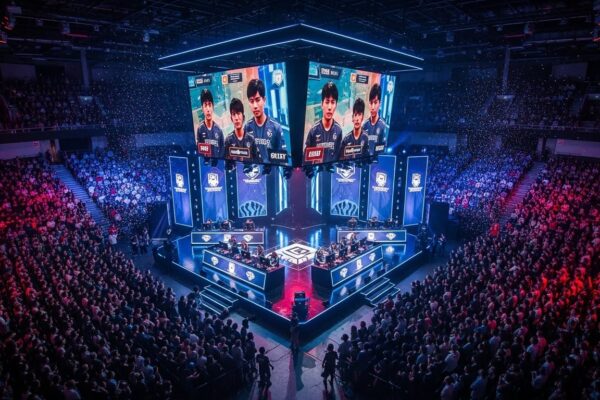
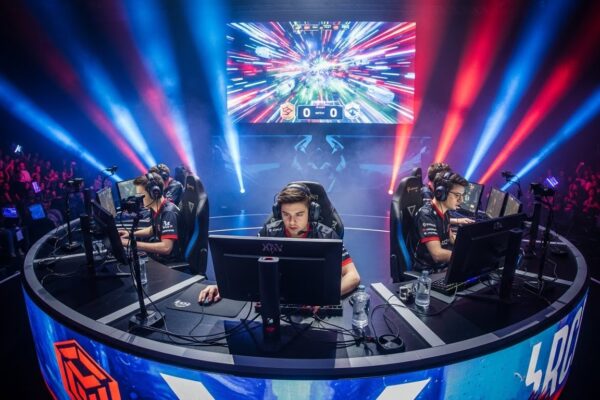
What once began as small local tournaments has evolved into massive stadium events that rival traditional sports finals. Thousands of fans gather in arenas to cheer for their favorite teams. The energy, excitement, and emotional connection are unlike anything else.
Large screens display every play in detail, while professional commentators, known as casters, narrate the action. Fans wave banners, chant team names, and celebrate victories. The atmosphere at an Esports event is electric, filled with passion and unity.
The global reach of these events is equally impressive. Millions more tune in online, watching from their homes. Major Esports finals attract audiences comparable to the Super Bowl or the World Cup. Esports has truly proven that digital competition can inspire as much excitement as traditional athletics.
The Economics Behind Esports
Esports is no longer just entertainment — it is big business. The industry generates billions of dollars annually through sponsorships, advertisements, ticket sales, merchandise, and broadcasting rights. Corporate giants from technology, fashion, and even automobile industries are investing heavily in Esports.
Teams function like professional sports franchises, complete with management, marketing teams, and merchandise. Players sign contracts, and organizations compete for sponsorships and visibility. Streaming platforms generate revenue through ads and subscriptions, while game publishers profit from sales, in-game purchases, and event hosting.
Prize pools continue to grow each year. For example, some tournaments now offer multi-million-dollar rewards, making Esports one of the most lucrative competitive industries in the world. As more investors, brands, and audiences join, Esports’ economic footprint continues to expand rapidly.
Technology and Innovation in Esports
Technology is the backbone of Esports. Without advanced hardware, fast internet, and high-performance software, none of this would be possible. Innovations in gaming computers, peripherals, and graphics have made Esports more competitive and immersive.
High-refresh-rate monitors, low-latency networking, and real-time streaming technology ensure smooth gameplay and viewing experiences. Virtual reality and augmented reality are opening new dimensions in competitive gaming, allowing players to interact with digital environments in entirely new ways.
Artificial intelligence is also playing a role in training and analysis. Teams use data analytics to study opponents, identify weaknesses, and refine tactics. The continuous technological evolution guarantees that Esports will only become more advanced and engaging in the future.
The Cultural Impact of Esports
Esports is more than a competition; it is a cultural movement. It has created communities that transcend borders, languages, and social differences. Millions of fans from every corner of the globe come together to share a passion for gaming. This global connection has made Esports one of the most unifying cultural forces of our time.
Esports has also influenced fashion, music, and entertainment. Players collaborate with artists, brands, and influencers, merging gaming culture with mainstream trends. The result is a vibrant, inclusive, and ever-evolving digital culture.
Moreover, Esports has challenged outdated stereotypes about gamers. It has proven that gaming can be professional, intellectual, and even athletic. Today’s gamers are strategists, entertainers, and ambassadors of a new kind of global community.
Education and Esports: A New Frontier
The world of education is beginning to recognize the potential of Esports. Schools and universities are introducing Esports programs that teach teamwork, communication, and strategic thinking. Many institutions now offer scholarships to talented gamers, treating Esports as seriously as traditional athletics.
Beyond gameplay, Esports education includes areas such as event management, game design, broadcasting, and marketing. Students can pursue careers in various aspects of the Esports ecosystem, from production and coaching to journalism and business development. This academic inclusion has helped legitimize Esports as a viable and respected profession.
Women in Esports: Breaking Barriers
Esports, like many industries, has faced challenges regarding gender diversity. However, more women are stepping into the spotlight as professional players, casters, analysts, and content creators. Female Esports organizations and tournaments are promoting inclusivity and empowerment, showing that skill and passion know no gender.
Representation is crucial, and as visibility grows, more young girls are inspired to pursue their dreams in gaming. The push for equality and respect within the Esports community continues to create a more diverse and dynamic environment.
Challenges Facing the Esports Industry
Despite its incredible growth, Esports faces several challenges. One of the biggest is player burnout. The intense training schedules, long hours, and constant travel can take a toll on both mental and physical health. Many players retire early, forcing organizations to rethink how they support their athletes.
Another issue is regulation. Unlike traditional sports with centralized governing bodies, Esports remains fragmented. Each game has its own rules, publishers, and tournament structures. Establishing standardized global regulations for player welfare, integrity, and contracts is still an ongoing process.
Toxicity in online gaming communities also poses a challenge. Cyberbullying, cheating, and harassment must be addressed to make Esports a more welcoming space for everyone. Many organizations and developers are now implementing systems to promote fair play and positive behavior.
Esports and Traditional Sports: Convergence or Competition
For years, Esports was viewed as an outsider to the world of sports. Critics argued that gaming wasn’t “real” sport. But over time, this perception has changed. Both traditional and electronic sports share common ground — teamwork, skill, strategy, and the thrill of competition.
Many sports organizations now embrace Esports. Football clubs, basketball teams, and even racing brands have launched their own Esports divisions. This collaboration helps bridge the gap between generations, connecting digital and physical fans alike.
In essence, Esports and traditional sports are not competitors but allies, each enriching the other through innovation, technology, and shared passion.
The Future of Esports
The future of Esports is limitless. As technology evolves, so will the ways we experience gaming. Virtual reality tournaments, metaverse integrations, and even AI-driven competitions are on the horizon. The boundaries between reality and the digital world will continue to blur, creating entirely new forms of entertainment.
Esports is expected to become even more mainstream, with more broadcasters, schools, and governments supporting it. With global recognition, better infrastructure, and fairer systems, Esports is set to define the next generation of competitive entertainment.
In time, Esports might even become a permanent fixture in global sporting events, potentially joining the ranks of Olympic disciplines. The possibilities are endless, and the journey has only just begun.
Conclusion
Esports represents the evolution of human competition in the digital age. What started as a fun pastime has transformed into a global industry that inspires, unites, and entertains millions. It combines technology, creativity, and community in ways that few industries can match.
From small college rooms to sold-out arenas, Esports has proven that passion and innovation can redefine culture itself. It is not just about games — it is about people, dreams, and the future of connection in an increasingly digital world.
As we move forward, Esports will continue to break barriers, challenge norms, and bring people together across every border imaginable. The era of Esports is here, and it’s only getting started.