In recent years, North America has cemented itself as one of the most influential regions in the world of esports. From League of Legends and Counter-Strike: Global Offensive to Valorant and Fortnite, North American teams and players have consistently been at the forefront of international competitions. While traditional sports powerhouses like Europe and Korea have historically dominated the esports scene, North America has emerged as a force to be reckoned with, boasting a rich esports ecosystem, passionate fanbases, and a rapidly growing professional infrastructure.
In this blog post, we’ll break down the factors that contribute to North America’s esports dominance, from its deep-rooted history to its growing investment in grassroots development, infrastructure, and cross-industry partnerships. Let’s explore how this region became an esports powerhouse and what sets it apart on the global stage.
1. Historical Beginnings: The Rise of Esports in North America
Why it matters: Esports grew from grassroots to mainstream
North America’s journey to esports prominence began in the early 2000s when the competitive gaming scene was still very much in its infancy. The region was home to some of the first major esports tournaments, such as the Quake and StarCraft competitions. These early events sparked interest in competitive gaming, with North American players quickly becoming known for their skill and creativity in various games.
In the late 2000s and early 2010s, North America saw the rise of iconic esports organizations, many of which remain powerhouses today. Team Liquid, Cloud9, Counter Logic Gaming (CLG), and TSM were among the first North American teams to compete at the highest levels of League of Legends, Dota 2, and StarCraft II. These organizations helped to establish a competitive standard for the region, and their international success allowed them to set the stage for the region’s rise.
As the esports landscape grew, North America’s inherent strengths in innovation, sponsorship, and marketing began to take shape. This early involvement laid the foundation for the region’s long-term dominance, even as other global regions developed their competitive scenes.
2. Investment and Sponsorship: Money Drives Success
Why it matters: Financial backing accelerates growth
One of the primary drivers behind North America’s esports dominance is the significant investment the region has seen over the past decade. Esports in North America isn’t just driven by player skill—it’s bolstered by robust financial backing, sponsorships, and partnerships with major global companies.
In the past few years, esports organizations in North America have attracted huge investment deals, with companies like Alphabet (Google), Intel, Coca-Cola, and Monster Energy backing teams and tournaments. These investments have led to the creation of state-of-the-art esports arenas, increased tournament prize pools, and improved player salaries and living conditions.
North America’s extensive sponsorships and deep pockets have created a snowball effect in which teams and players are provided with the resources to reach their full potential. Financial support for North American organizations has helped to attract top-tier talent, ensuring that these teams remain competitive on the global stage.
Additionally, brands from outside of esports—such as NBA teams and NFL franchises—have started entering the scene by investing in esports teams or creating their own competitive leagues. These cross-industry partnerships have increased the visibility of esports and solidified North America as a dominant player in the competitive gaming world.
3. Infrastructure: The Backbone of Esports Growth
Why it matters: The development of top-tier facilities and tournaments
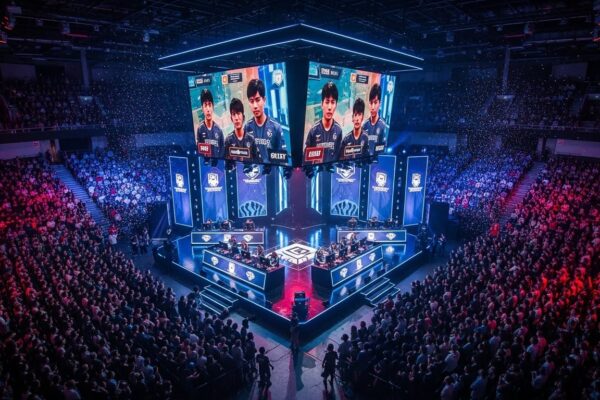
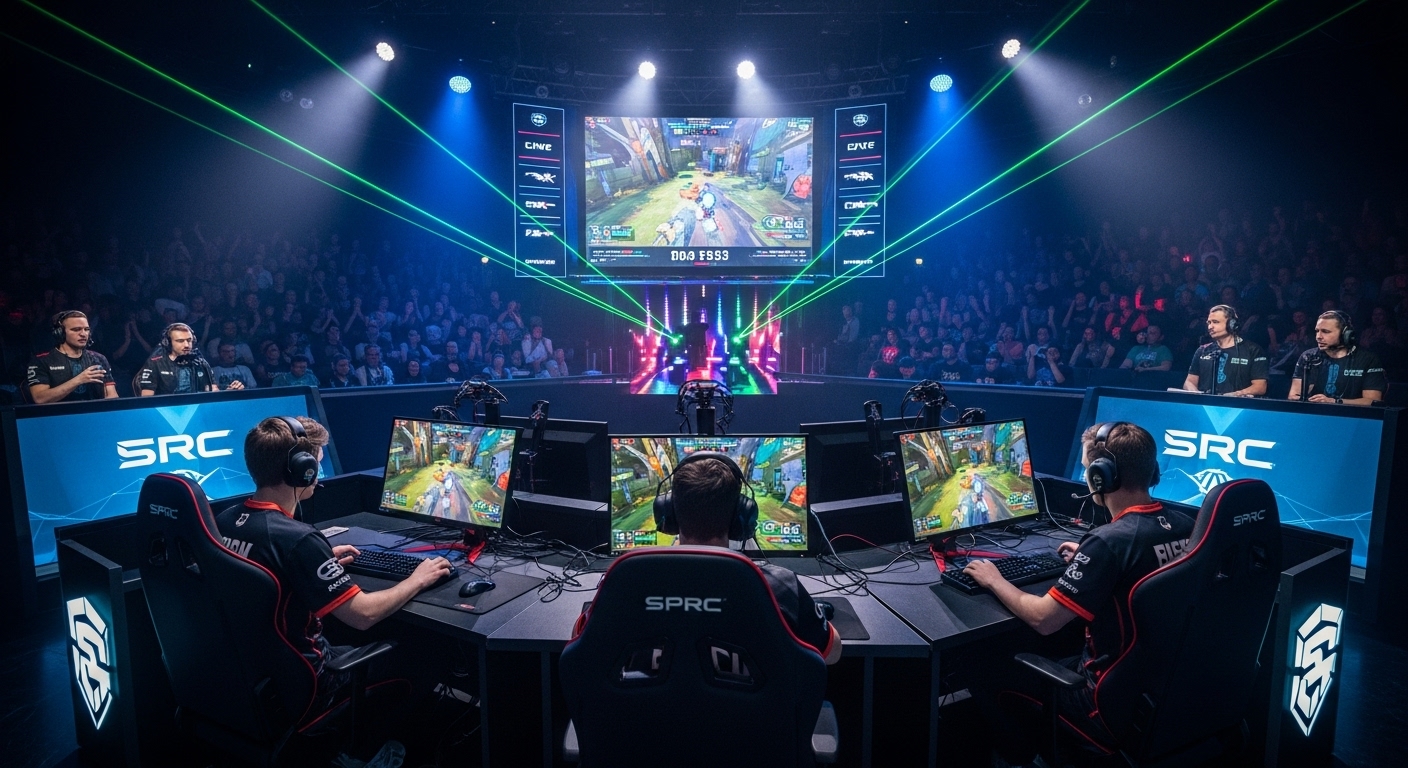
North America’s esports infrastructure is one of the most advanced in the world, providing teams and players with the necessary tools to perform at their peak. The region has invested heavily in creating state-of-the-art gaming facilities, professional training centers, and broadcast studios. These facilities not only benefit players and teams but also provide fans with a more immersive viewing experience.
Major esports hubs like Los Angeles and Toronto have become the epicenter for competitive gaming in North America. Organizations like Immortals, 100 Thieves, and FaZe Clan have established themselves in these cities, creating team headquarters, practice arenas, and content studios to foster a culture of excellence. Moreover, the development of venues like the BlizzCon Arena in Anaheim or Esports Arena in Las Vegas showcases North America’s commitment to maintaining top-tier esports infrastructure.
In addition to physical infrastructure, the region’s digital infrastructure is also top-notch. North America is home to some of the largest esports streaming platforms, including Twitch, YouTube Gaming, and Facebook Gaming, where esports events are broadcasted to millions of fans worldwide. The integration of esports into these platforms has created a thriving online ecosystem that supports fan engagement, content creation, and competitive play.
4. Talent Development: Training the Next Generation of Players
Why it matters: Building a sustainable talent pipeline
One of the key reasons behind North America’s growing esports dominance is its focus on developing talent from the grassroots level. While many regions focus on established stars, North America has invested in a long-term approach to training the next generation of esports talent.
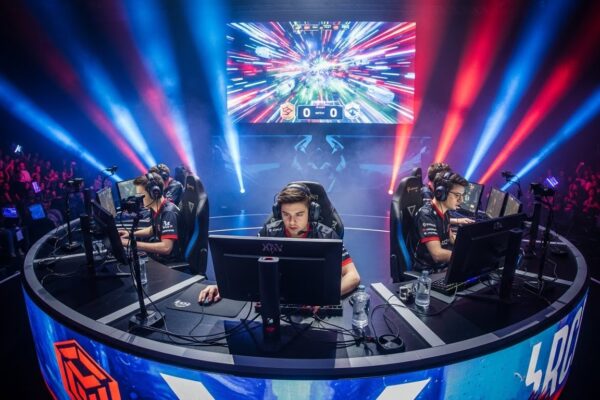
Esports organizations in North America have created academies, coaching programs, and youth leagues to identify and nurture young players. Teams like Cloud9 and TSM have formal training programs that offer aspiring players the opportunity to train under professional coaches and gain valuable experience in real competitive environments. These programs allow players to refine their skills, build strong team dynamics, and develop the mental toughness needed for high-level competition.
In addition to team-run initiatives, the presence of educational institutions such as the University of California, Irvine and Miami University, which offer collegiate-level esports programs, has contributed to the growth of talent. Scholarships, internships, and partnerships with major gaming companies have made it easier for students to enter esports professionally.
With these youth development initiatives and academies in place, North America has a steady pipeline of up-and-coming esports stars ready to join the professional scene.
5. Popular Esports Titles in North America: A Diverse Competitive Landscape
Why it matters: A broad selection of titles ensures broad appeal
North America’s esports dominance is also marked by its involvement in a diverse range of competitive gaming titles. While regions like Korea have long been associated with League of Legends and StarCraft, North America has spread its influence across multiple titles, making it a diverse and multifaceted force in the industry.
In League of Legends, North America has developed top-tier teams like Cloud9, Team Liquid, and 100 Thieves, who consistently challenge for championships both regionally and internationally. Despite recent struggles on the global stage, North America continues to produce strong LoL talent, and the region remains one of the most-watched in the LCS.
In Counter-Strike: Global Offensive, North American teams like Liquid, Cloud9, and Evil Geniuses have repeatedly contended for top honors at CS:GO majors. These teams have proven themselves on the international stage, challenging European and Brazilian dominance and securing major tournament wins.
Moreover, in newer titles like Valorant and Fortnite, North America has emerged as a dominant force early in their competitive cycles. Organizations like Sentinels and 100 Thieves have cemented themselves as powerhouses in Valorant, while North American players have consistently excelled in Fortnite tournaments, grabbing multiple high-profile wins.
This broad range of successful titles shows that North America is not only dominating a single competitive scene but is also versatile across multiple games, attracting diverse fanbases and securing long-term success.
6. Esports in North America: A Cultural Phenomenon
Why it matters: The integration of esports into mainstream culture
One of the most unique aspects of North America’s esports scene is the way it has integrated esports into mainstream culture. Unlike many other regions, where esports is often seen as a niche hobby, North America has embraced it as a legitimate form of entertainment, comparable to traditional sports like basketball, football, and soccer.
Esports in North America has found a place in popular culture, with teams having their own merchandise, fanbases, and content creators. Major sporting franchises like the NBA, NFL, and MLB have also shown a significant interest in esports, sponsoring events, forming their own teams, or partnering with established esports organizations. This cross-industry collaboration has further propelled the growth of esports in North America.
Moreover, North American esports leagues such as the Overwatch League and Call of Duty League have adopted traditional sports-like formats, with franchises based in cities and teams competing in regular seasons, playoffs, and grand finals. This model has made esports more relatable to traditional sports fans, expanding its audience base and enhancing its credibility.
7. The Future of North American Esports: Challenges and Opportunities
Why it matters: The evolving esports landscape presents both hurdles and growth potential
Despite North America’s continued success in esports, the region still faces challenges. For example, the rise of teams and players from other regions, particularly Europe and Korea, has made international competitions increasingly competitive. While North American teams have a strong track record, they often fall short of claiming the most prestigious titles, particularly at events like the League of Legends World Championship or CS:GO Major tournaments.
Additionally, there are concerns about the sustainability of the esports ecosystem, particularly with the influx of money and the pressure to constantly innovate. As North American teams continue to battle it out with international counterparts, the region will need to focus on refining its talent development pipelines, strengthening its team cultures, and ensuring that the competitive spirit is maintained as the industry matures.
However, with the continued investment in grassroots development,
infrastructure, and brand partnerships, North America is well-positioned to maintain its influence in the global esports scene. The future of North American esports will likely be defined by its ability to adapt to new challenges while capitalizing on the opportunities that arise from its early investments and deep-rooted connections with mainstream culture.
Conclusion: North America’s Unstoppable Ascent in Esports
In conclusion, North America’s esports dominance is the result of a combination of factors: historical roots in competitive gaming, significant financial investment, world-class infrastructure, a growing talent pipeline, and a broad spectrum of successful games. As the region continues to evolve, the competitive landscape will only become more exciting, with North America playing a central role in shaping the future of esports. Fans can look forward to more thrilling tournaments, fierce rivalries, and rising stars as North America solidifies its place as one of the most influential regions in the esports world.