Esports has transformed dramatically over the past two decades, evolving from small gatherings of gamers into a massive global industry. Once considered a niche hobby, competitive gaming now garners millions of viewers, attracts lucrative sponsorships, and creates careers for professional players, commentators, and content creators alike. This blog explores the evolution of esports, the factors behind its growth, its key genres, and its influence on modern culture.
Origins of Competitive Gaming
The roots of esports can be traced back to the late 1970s and early 1980s, when arcade competitions started attracting attention. Games like Space Invaders and Pac-Man became the first platforms for organized competition. By the 1990s, multiplayer PC games such as Doom and Quake introduced players to competitive networks via local area networks (LANs). These events, often held in small venues, laid the groundwork for the esports culture that would explode in the following decades.
The first major esports tournaments, like the Red Annihilation Quake tournament in 1997, signaled the beginning of serious competition with cash prizes. Around the same time, South Korea’s love for StarCraft: Brood War marked a turning point, making esports a mainstream phenomenon in certain regions. Professional teams and televised events began to emerge, establishing the blueprint for modern esports leagues.
Growth of Online Platforms
One of the most critical factors in esports’ rise is the internet. Online multiplayer games expanded the reach of competitive gaming beyond local communities. Platforms like Battle.net enabled gamers to connect globally, fostering competition and social interaction simultaneously. Online leaderboards, rankings, and clan competitions fueled players’ desire to improve and gain recognition.
With the rise of streaming platforms, esports found a direct channel to audiences. Services like Twitch revolutionized how fans consume content, allowing anyone with an internet connection to watch professional matches live. This accessibility not only increased viewership but also provided revenue opportunities for players and organizations through sponsorships, advertising, and subscriptions.
Major Esports Genres
Esports encompasses various game genres, each with distinct competitive structures, strategies, and fan bases. Understanding these genres offers insight into the diversity and appeal of competitive gaming.
Multiplayer Online Battle Arenas (MOBA)
MOBA games, including League of Legends and Dota 2, are among the most popular esports titles globally. These games involve two teams of players working together to destroy the opposing team’s base. Strategy, teamwork, and mechanical skill are essential for success. MOBA tournaments regularly draw millions of viewers, and prize pools for international competitions often reach tens of millions of dollars.
First-Person Shooters (FPS)
FPS games such as Counter-Strike: Global Offensive, Call of Duty, and Valorant have a longstanding history in esports. These games require fast reflexes, precise aiming, and strategic thinking. FPS tournaments often feature seasonal leagues with professional teams competing for prestige and significant prize money. The intensity and fast pace of FPS games make them a favorite for both players and spectators.
Battle Royale
The battle royale genre, popularized by games like Fortnite and PUBG, has introduced a new competitive format to esports. These games pit large numbers of players against each other in survival-style matches, where only the last player or team standing wins. The genre combines elements of shooting, strategy, and resource management, attracting a younger audience and creating massive online events with extensive streaming coverage.
Sports and Racing Simulations
Virtual sports and racing games such as FIFA, NBA 2K, and iRacing have carved out a significant niche in esports. These games replicate real-world sports and competitions, allowing players to test their skills in digital arenas. Professional leagues for these titles mirror traditional sports structures, complete with seasonal schedules, playoffs, and championships.
Professional Players and Teams
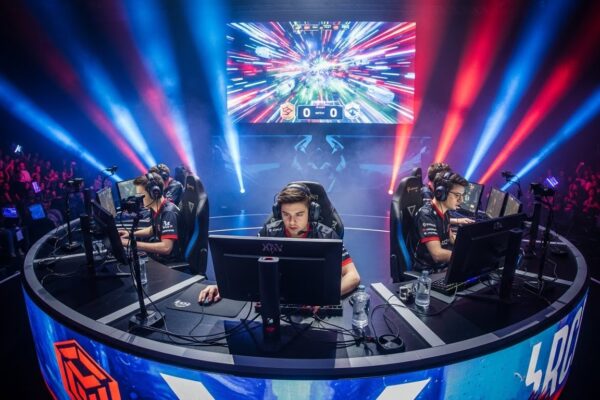
Professional esports players are the cornerstone of the industry. Unlike casual gamers, these players dedicate hours to practice, strategy development, and teamwork. Esports organizations recruit talent, provide coaching, and manage training regimens to maximize performance. Top-tier players often become celebrities within the gaming community, amassing large followings on social media platforms.
Esports teams function much like traditional sports franchises. They sign contracts with players, participate in tournaments, and maintain branding to attract sponsorships. Organizations such as Cloud9, Fnatic, and T1 have become household names in the esports world, representing a blend of competitive skill and entertainment.
Tournaments and Leagues
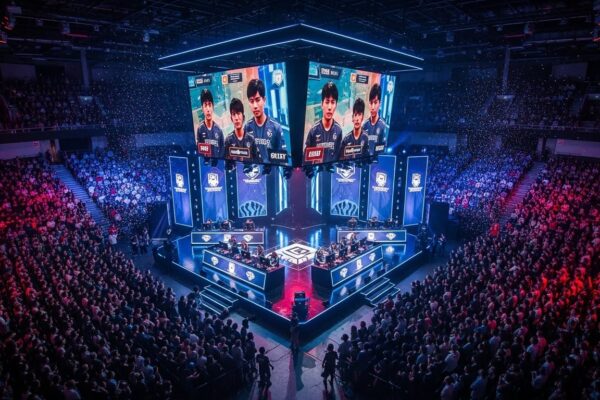
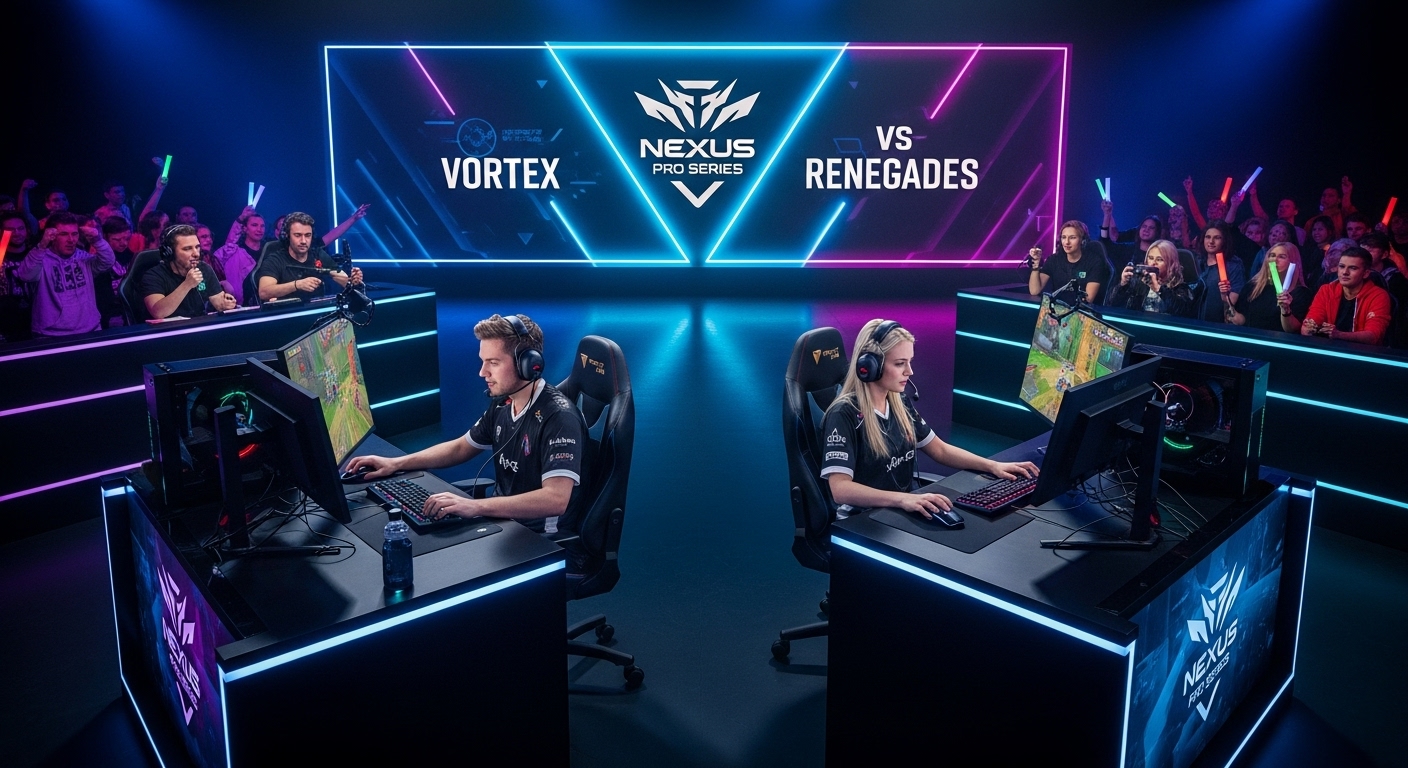
Competitive events are at the heart of esports. Global tournaments, like the League of Legends World Championship, the Dota 2 International, and the Fortnite World Cup, draw millions of viewers and offer multi-million-dollar prize pools. These events are often held in large arenas or stadiums, with live audiences creating an electric atmosphere.
Esports leagues operate year-round, with structured seasons, playoffs, and finals. The League of Legends Championship Series (LCS), Call of Duty League (CDL), and Overwatch League (OWL) exemplify professional circuits that provide stability and consistent content for fans. The structure of these leagues mirrors traditional sports, helping esports gain legitimacy and attract mainstream attention.
The Role of Streaming and Content Creation
Streaming platforms are integral to esports’ ecosystem. Twitch, YouTube Gaming, and other services allow fans to watch matches, follow favorite players, and engage with the community in real-time. Streamers often build personal brands, monetizing content through subscriptions, donations, and sponsorships.
Content creation complements professional competition, giving audiences more ways to engage with esports. Players create tutorial videos, highlight reels, and behind-the-scenes content, expanding their reach beyond competitive matches. This dual focus on competition and entertainment helps maintain interest in esports throughout the year.
Economic Impact
Esports is now a billion-dollar industry with revenue generated through sponsorships, advertising, merchandise, media rights, and ticket sales. Major brands, from technology companies to consumer goods, invest heavily in esports to access younger, tech-savvy audiences. Sponsorship deals can rival those in traditional sports, further solidifying esports’ financial viability.
The economic impact also extends to job creation. Beyond professional players, careers in coaching, content production, marketing, event management, and software development are supported by the growth of competitive gaming. Universities have even started offering esports scholarships, recognizing its legitimacy as a professional pursuit.
Cultural Influence
Esports has a profound influence on modern culture. It has redefined entertainment for a generation raised on digital media, creating communities around shared interests in games and competition. Memes, in-game cosmetics, and fan art all contribute to the culture, fostering a sense of identity among gamers.
The global nature of esports also promotes cross-cultural interaction. International tournaments bring together players and fans from different countries, encouraging communication and collaboration. Esports’ influence extends into music, fashion, and lifestyle, demonstrating its reach beyond gaming alone.
Challenges Facing Esports
Despite its growth, esports faces challenges. Player burnout, long training hours, and mental health concerns are significant issues in the professional scene. Organizations are increasingly investing in psychological support and wellness programs to maintain player performance and longevity.
Additionally, regulation and standardization remain concerns. Tournament rules, cheating prevention, and doping regulations vary across regions and games, complicating governance. As esports continues to expand, addressing these challenges is critical to sustaining credibility and professionalism.
The Future of Esports
The future of esports looks promising. Advancements in virtual reality (VR) and augmented reality (AR) could redefine competitive gaming, introducing immersive experiences for players and spectators. Mobile esports is also on the rise, particularly in regions where mobile gaming outpaces traditional PC or console platforms.
Education and institutional support are likely to grow as well. Schools, universities, and professional academies are developing curricula to train the next generation of players, analysts, and industry professionals. With continued investment and technological innovation, esports is poised to solidify its place alongside traditional sports in global entertainment.
Conclusion
Esports has journeyed from humble arcade competitions to a global phenomenon, shaping the way people play, watch, and engage with games. Its growth is driven by technological advancements, professional players, structured leagues, and a passionate fan base. While challenges remain, the industry’s economic, cultural, and social impact is undeniable. Competitive gaming is no longer a niche pastime—it is a thriving, dynamic ecosystem with the power to entertain, connect, and inspire millions worldwide.