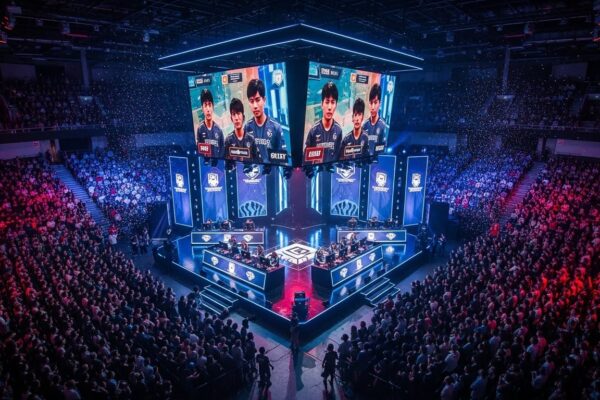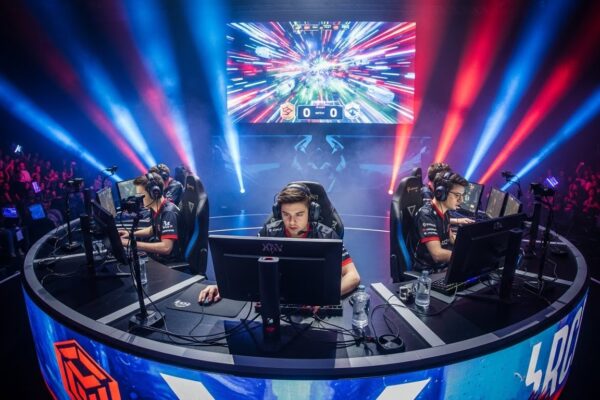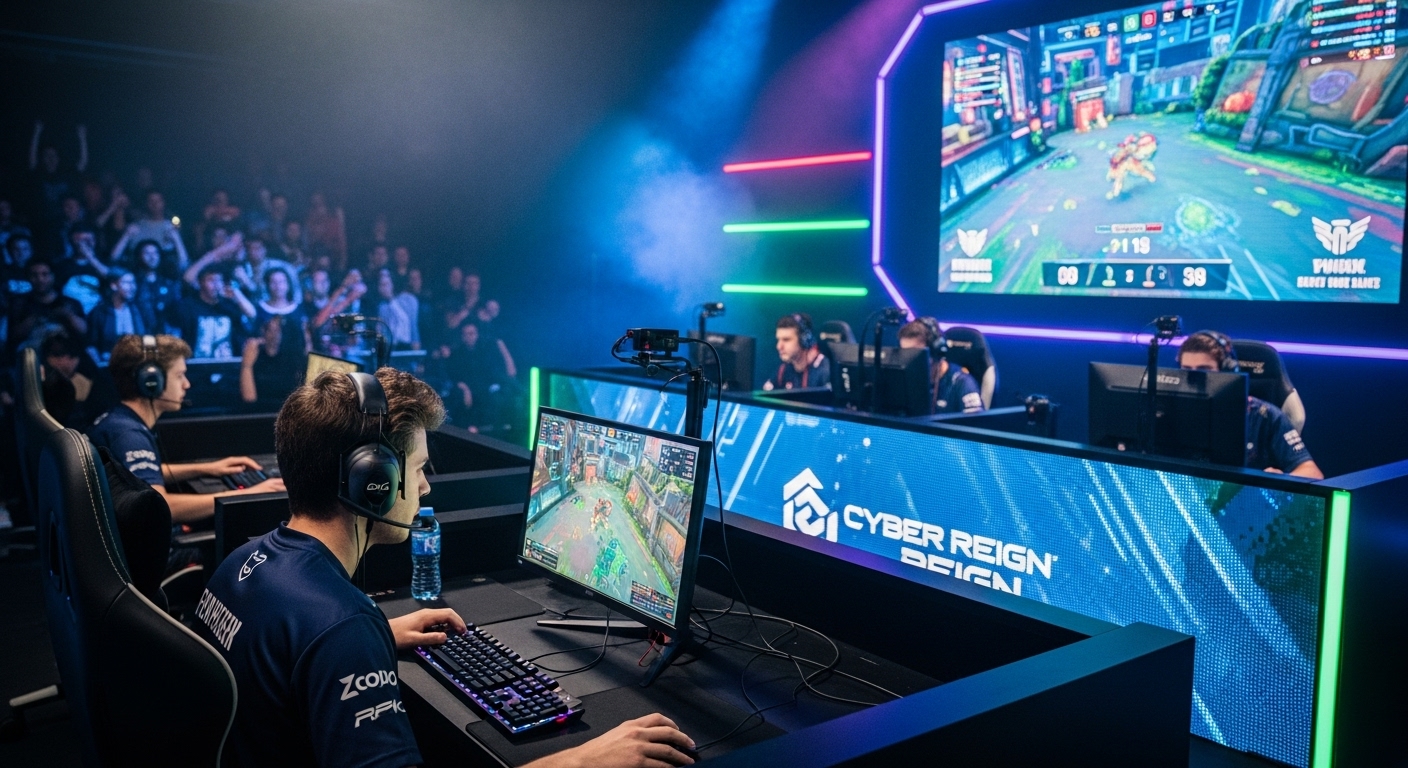
Esports has evolved from a casual hobby into a global phenomenon that captivates millions of fans and players around the world. What was once seen as just playing video games is now recognized as a legitimate form of competition, complete with professional teams, sponsorships, and massive tournaments. The rise of esports is redefining the way people experience games, competition, and entertainment.
Understanding Esports
Esports, short for electronic sports, refers to organized, competitive video gaming. Players compete individually or in teams across a variety of game genres, ranging from strategy-based MOBAs (Multiplayer Online Battle Arenas) to fast-paced first-person shooters. Unlike casual gaming, esports requires skill, strategy, coordination, and continuous practice. With the growth of streaming platforms and live tournaments, esports has become a professional arena where players are recognized as athletes in the digital realm.
Popular Game Genres in Esports
Esports thrives on diversity, offering games for every type of player. MOBAs like League of Legends and Dota 2 challenge teams to work strategically and coordinate moves in real time. FPS games such as Counter-Strike and Valorant test precision, reflexes, and teamwork. Other genres, including fighting games, racing simulators, and sports simulations, provide competitive experiences that appeal to a wide audience. This variety ensures that esports remains dynamic and engaging.
The Life of a Professional Esports Player
Professional esports players dedicate countless hours to training, developing strategies, and improving their reflexes and decision-making. They often work with coaches, analysts, and support teams to optimize performance. The competitive nature of esports demands discipline, focus, and teamwork, similar to traditional sports. Successful players gain recognition through tournaments, streaming, and sponsorships, turning their passion into a full-time career.
Building Community Through Esports
Esports is more than competition; it is a global community. Online platforms allow fans to watch live matches, interact with players, and connect with like-minded enthusiasts. Tournaments and conventions bring people together, creating spaces where gaming culture thrives. This sense of community fosters collaboration, friendship, and cultural exchange, showing that esports is not only about winning—it’s about connection and shared experiences.
Technology Driving the Esports Boom
The growth of esports is closely tied to technological advancements. High-speed internet, powerful gaming hardware, and streaming platforms enable players to compete at the highest level and fans to watch events in real time. Emerging technologies like virtual reality (VR) and augmented reality (AR) are set to make esports even more immersive, allowing players and spectators to experience games in entirely new ways.
The Future of Esports
The future of esports is bright and full of opportunities. Mobile esports continues to expand accessibility, while international tournaments increase visibility and legitimacy. As esports becomes more mainstream, it will influence traditional sports, media, and education. With ongoing technological innovation and growing global interest, esports is positioned to remain a leading form of entertainment for years to come.
Conclusion
Esports has transformed gaming into a professional, global phenomenon that combines competition, technology, and community. It empowers players to turn their passion into careers while providing fans with thrilling entertainment and social connection. As the industry continues to grow, esports will shape the future of digital competition and redefine what it means to play and compete in the modern world.