Introduction: The Dawn of a Digital Sport
Esports, short for electronic sports, has transformed from a niche hobby into a worldwide competitive phenomenon. Once considered mere leisure activity, gaming has now evolved into a legitimate professional arena, attracting millions of viewers and generating substantial revenue. The growth of esports represents a fascinating intersection of technology, culture, and entertainment, illustrating how digital platforms are reshaping the world of sports.
Competitive gaming initially began with small tournaments and local gatherings where players would meet face-to-face to compete in popular games of the time. As technology advanced, online connectivity allowed players from across the globe to compete, creating an entirely new digital ecosystem. This accessibility fueled esports’ exponential growth, turning it into a multi-billion-dollar industry that rivals traditional sports in popularity and influence.
The Evolution of Esports: From LAN Parties to Global Arenas
Esports has come a long way from its early days. The 1980s and 1990s saw the rise of arcade competitions and local area network (LAN) parties. Titles like Pac-Man, Street Fighter, and StarCraft dominated these early competitions, drawing players who sought to test their skills against peers. The gaming community thrived on social interactions and shared strategies, laying the foundation for modern esports culture.
The 2000s marked a significant turning point with the introduction of online multiplayer platforms. Games such as Counter-Strike, Warcraft III, and later League of Legends opened the door to international competition. Streaming platforms allowed spectators to watch live matches, creating a demand for professional-level gameplay. The era also saw the establishment of professional esports organizations and leagues, offering structured opportunities for players to pursue gaming as a career.
Popular Esports Titles and Genres
The world of esports is diverse, encompassing multiple genres that cater to different playstyles and audiences. Multiplayer Online Battle Arenas (MOBAs) like League of Legends and Dota 2 have become some of the most iconic esports games. These games demand teamwork, strategic planning, and quick decision-making, attracting millions of viewers globally.
First-Person Shooters (FPS) are another cornerstone of competitive gaming. Games like Counter-Strike: Global Offensive, Call of Duty, and Valorant emphasize precision, reflexes, and coordination. The intensity of these games makes them thrilling for both players and spectators, creating dramatic moments that captivate audiences.
Sports simulation games, such as FIFA and NBA 2K, have also carved a niche within esports. By replicating traditional sports in a digital format, these games appeal to fans who enjoy both conventional athletic competition and gaming. Fighting games, racing simulators, and strategy games further diversify the esports ecosystem, ensuring there is something for everyone.
The Role of Streaming and Content Creation
The rise of streaming platforms has been instrumental in the growth of esports. Platforms like Twitch and YouTube Gaming allow players to broadcast their gameplay to millions of viewers worldwide. These streams not only entertain audiences but also create communities centered around shared experiences and interactive content.
Content creators and professional players often engage directly with their audience, offering insights into strategies, tips, and personal stories. This accessibility has blurred the lines between fans and professionals, fostering a sense of connection that traditional sports rarely achieve. The combination of entertainment and competition has made esports a cultural force in its own right.
Esports as a Career: Professional Players and Organizations
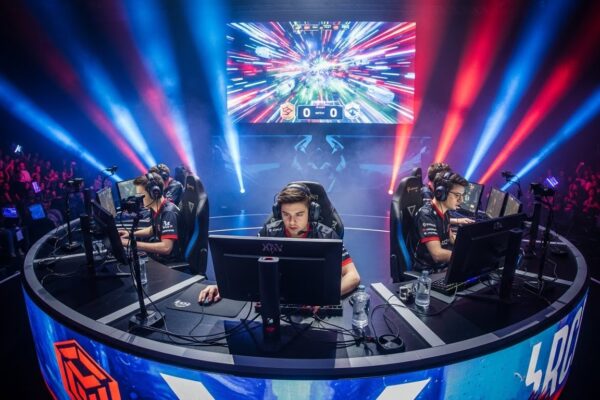
What once seemed impossible has become a reality: individuals can now make a living by playing video games. Professional esports players train rigorously, dedicating hours to honing their skills, studying opponents, and developing strategies. Like traditional athletes, they follow strict schedules, maintain physical fitness, and work with coaches to maximize performance.
Esports organizations function similarly to sports clubs. They recruit talent, provide training facilities, manage sponsorship deals, and promote players through media exposure. These organizations compete in domestic and international leagues, often with large cash prizes at stake. The competitive environment pushes players to excel, fostering innovation and raising the level of gameplay across the industry.
Major Esports Tournaments and Events
Esports tournaments have become some of the most anticipated events in the gaming world. Annual competitions like The International for Dota 2, the League of Legends World Championship, and the Fortnite World Cup attract massive viewership, both online and in-person. These tournaments showcase the pinnacle of skill and strategy, with players demonstrating remarkable precision and teamwork under high-pressure conditions.
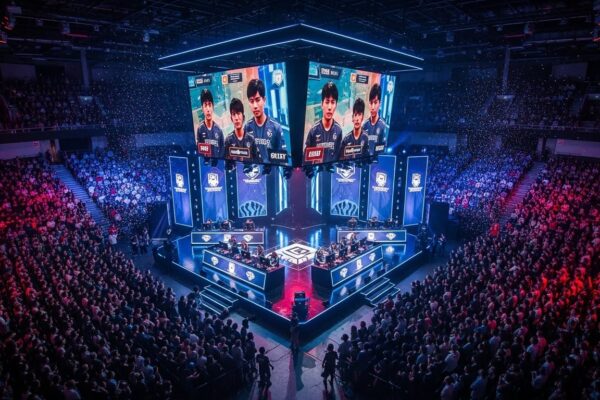
The scale of these events has transformed esports into a spectacle. Stadiums filled with cheering fans, high-end production values, and live commentary create an immersive experience for spectators. Sponsors and advertisers have recognized the potential of esports as a marketing platform, further fueling the industry’s growth.
The Economics of Esports
Esports has emerged as a lucrative industry with multiple revenue streams. Sponsorships, advertising, merchandise sales, tournament prize money, and streaming subscriptions all contribute to its financial ecosystem. Major corporations invest heavily in esports, seeing it as a gateway to younger, tech-savvy audiences.
The financial impact of esports extends beyond the players and organizations. Game developers, production teams, broadcasters, and event organizers all benefit from the industry’s expansion. Cities hosting major tournaments experience increased tourism and local economic activity, highlighting the broader economic influence of competitive gaming.
The Social and Cultural Impact of Esports
Esports has reshaped how people interact with technology, entertainment, and each other. It has created global communities united by shared interests, transcending geographical and cultural boundaries. Players and fans communicate across continents, forming friendships and rivalries that mirror those found in traditional sports.
Moreover, esports has influenced popular culture. Professional players are recognized as celebrities, and gaming slang, memes, and trends permeate mainstream media. Esports also challenges conventional perceptions of athletes, proving that mental agility, strategic thinking, and digital dexterity are equally worthy of recognition.
Challenges Facing the Esports Industry
Despite its rapid growth, esports faces several challenges. Player burnout is a significant concern, as rigorous training schedules and high-pressure environments can take a toll on mental and physical health. The industry also struggles with issues such as cheating, match-fixing, and maintaining fair competition.
Monetization and sustainability remain critical hurdles. While top-tier players and organizations thrive financially, many aspiring professionals struggle to earn a stable income. Ensuring diversity and inclusion in esports is another ongoing challenge, as the community continues to address gender disparities and accessibility barriers.
The Future of Esports
The future of esports looks promising. Advancements in technology, including virtual reality, augmented reality, and artificial intelligence, are expected to create more immersive and interactive gaming experiences. As the industry matures, esports may further integrate with education, professional training, and entertainment, broadening its influence beyond traditional gaming audiences.
Additionally, esports may increasingly collaborate with traditional sports, blending physical and digital competition in innovative ways. As societal acceptance grows, esports could become a staple in schools, universities, and even the Olympics, cementing its status as a legitimate global sport.
Conclusion: A New Era of Competition
Esports represents more than just gaming; it is a cultural revolution that has redefined competition, entertainment, and community in the digital age. From humble beginnings in arcades to packed stadiums and millions of online viewers, the rise of esports illustrates the power of technology to transform passion into profession.
As the industry continues to evolve, it will inspire future generations to pursue their skills, connect with communities, and embrace the endless possibilities of the digital world. Esports is not just the future of gaming; it is a testament to the creativity, resilience, and innovation of humanity in the modern era.