Introduction: From Bedrooms to Global Arenas
Esports, once dismissed as casual gaming among friends, has transformed into one of the most influential entertainment industries of the modern era. What began in bedrooms and internet cafés has grown into packed stadiums, million-dollar prize pools, professional teams, and a worldwide fan base that rivals traditional sports. Esports is no longer just about playing video games; it is about competition, culture, technology, community, and opportunity.
This blog explores the rise of esports, its ecosystem, its cultural impact, and its future, highlighting why competitive gaming has earned its place on the global stage.
Understanding Esports: More Than Just Gaming
Esports refers to organized, competitive video gaming where professional players or teams compete in structured tournaments. Unlike casual gaming, esports demands discipline, strategy, teamwork, and relentless practice. Games commonly featured in esports include multiplayer online battle arenas, first-person shooters, real-time strategy games, and sports simulations.
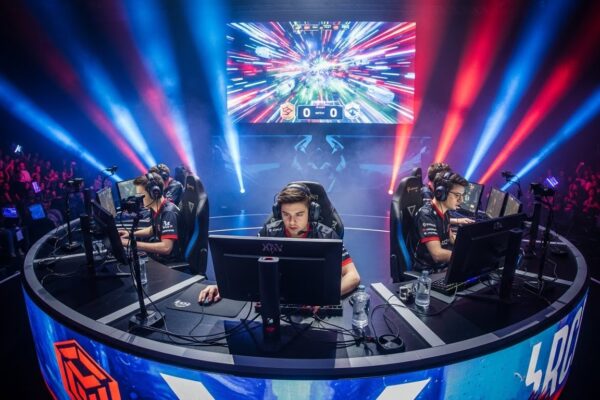
Professional esports players train for hours daily, analyzing gameplay, refining mechanics, and developing strategies much like athletes in traditional sports. Coaches, analysts, psychologists, and support staff are often part of esports teams, further reinforcing its legitimacy as a professional discipline.
The Rapid Growth of the Esports Industry
The esports industry has experienced explosive growth over the past decade. What fuels this expansion is a combination of technological accessibility, high-speed internet, streaming platforms, and a digitally native audience. Young generations who grew up with video games see esports as a natural form of entertainment rather than a niche hobby.
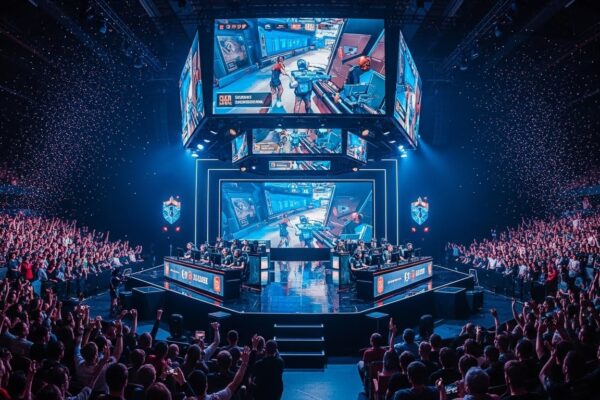
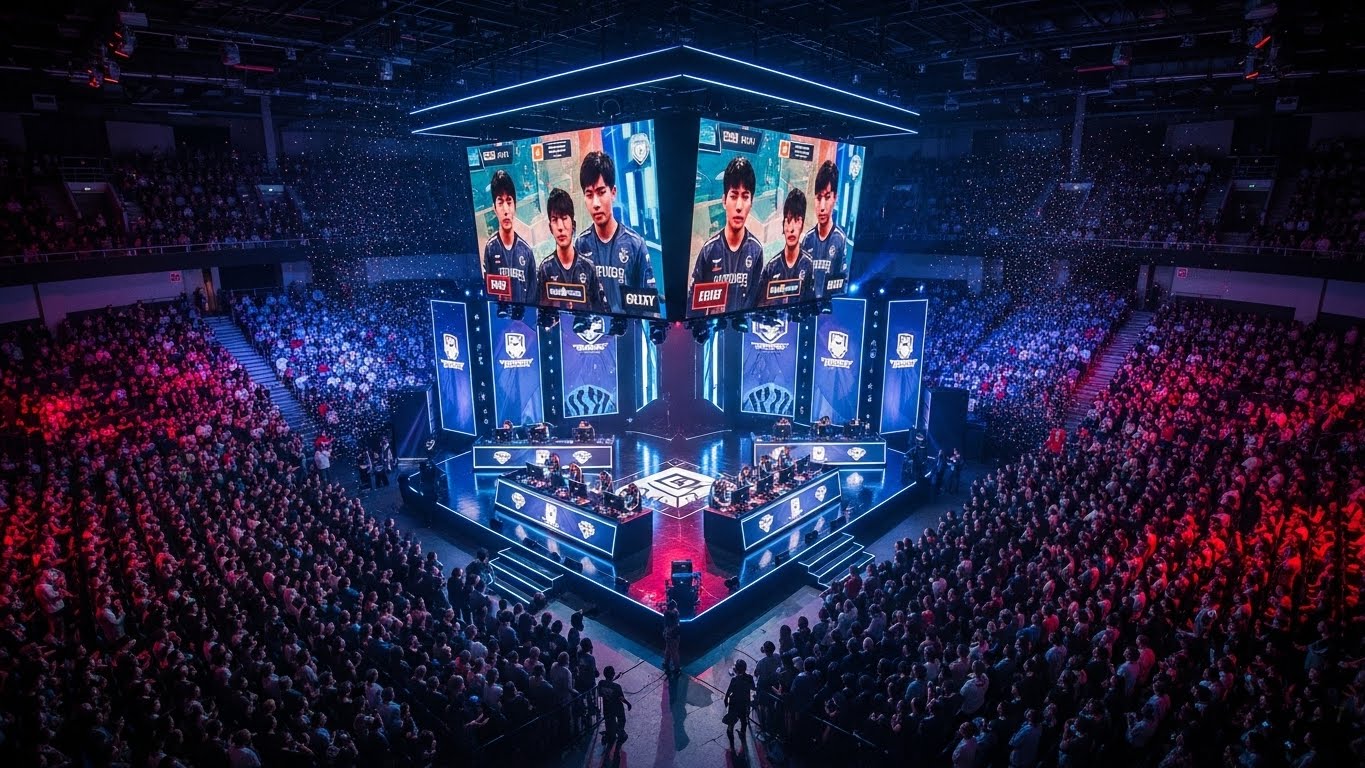
Large-scale tournaments now fill arenas, and online broadcasts attract millions of viewers worldwide. Esports organizations generate revenue through sponsorships, merchandise, advertising, ticket sales, and media rights. This growth has attracted major brands, investors, and even traditional sports franchises into the esports ecosystem.
The Players: Athletes of the Digital Age
Esports players are often misunderstood as individuals who simply play games for fun. In reality, they are high-performance competitors who rely on sharp reflexes, decision-making under pressure, teamwork, and mental resilience.
Training schedules can be intense, involving long practice sessions, review of recorded matches, physical fitness routines, and mental conditioning. Reaction times measured in milliseconds can determine victory or defeat. Burnout, stress, and performance anxiety are real challenges, making player wellness an increasingly important topic in esports.
Many players start young, often in their teens, and peak early compared to traditional athletes. This has led to growing conversations around career longevity, education, and life after competitive play.
Esports Teams and Organizations
Professional esports teams function much like sports clubs. They recruit talent, manage contracts, build team brands, and compete across multiple tournaments and leagues. Team identity plays a crucial role in fan loyalty, with supporters following their favorite teams across seasons and championships.
Organizations invest heavily in player development, infrastructure, training facilities, and content creation. Social media presence and fan engagement are vital, as esports thrives in online communities where interaction between fans and players feels more direct and personal.
The Role of Streaming and Content Creation
Streaming has been a cornerstone of esports growth. Live broadcasts allow fans to watch matches in real time, interact through chat, and experience the excitement collectively. Unlike traditional sports, esports viewing is deeply interactive, with audiences engaging directly with commentators, players, and fellow fans.
Beyond tournaments, many esports professionals and content creators stream practice sessions, casual gameplay, and behind-the-scenes content. This accessibility humanizes players and strengthens community bonds, making fans feel like part of the journey rather than distant spectators.
Esports as a Career Path
One of the most significant shifts brought by esports is the creation of new career opportunities. While professional players receive the most attention, the industry supports a wide range of roles. These include coaches, analysts, commentators, event organizers, graphic designers, marketers, video editors, and community managers.
Educational institutions have started recognizing esports as a legitimate field, offering scholarships, academic programs, and competitive teams. This formal recognition further solidifies esports as a viable career path for those passionate about gaming and technology.
Cultural Impact and Global Reach
Esports transcends geographical and cultural boundaries. Players from different countries compete on equal footing, connected by the internet rather than limited by location. International tournaments showcase diverse cultures, languages, and playstyles, fostering a sense of global unity.
Esports has also influenced popular culture, shaping fashion, music, and digital trends. Gaming slang, streaming personalities, and esports moments often spill into mainstream media. For many young people, esports is not just entertainment but a central part of their identity and social life.
Challenges Facing the Esports Industry
Despite its success, esports faces several challenges. Player burnout, lack of standardized regulations, and inconsistent tournament structures can create instability. The fast-paced nature of the industry means games can rise and fall in popularity quickly, affecting careers and investments.
There are also ongoing discussions around inclusivity and diversity. While esports is open to anyone with skill and access, barriers such as harassment, unequal representation, and limited opportunities for marginalized groups still exist. Addressing these issues is essential for sustainable growth.
Esports and Technology: A Symbiotic Relationship
Technology is the backbone of esports. Advancements in hardware, software, and internet infrastructure directly influence the quality of competition and viewing experience. High-refresh-rate monitors, low-latency connections, and powerful gaming systems allow players to perform at their best.
Emerging technologies such as virtual reality, augmented reality, and artificial intelligence may further redefine esports in the future. These innovations could introduce new forms of competition, enhance spectator experiences, and provide deeper insights into gameplay performance.
The Future of Esports
The future of esports appears promising and dynamic. As audiences continue to grow, esports may become even more integrated into mainstream entertainment. Collaborations with traditional sports, entertainment industries, and educational institutions are likely to expand.
Esports may also play a role in shaping digital citizenship, teaching teamwork, strategic thinking, and adaptability. As competitive gaming evolves, it has the potential to influence how society perceives competition, achievement, and community in the digital age.
Conclusion: A New Era of Competition
Esports represents a fundamental shift in how competition and entertainment are experienced. It combines technology, culture, and human ambition into a uniquely modern phenomenon. From passionate players and dedicated fans to massive global events, esports has proven that competition does not need a physical field to be real, meaningful, or inspiring.
As the industry continues to mature, esports stands as a testament to the power of digital innovation and the universal desire to compete, connect, and excel. What was once a pastime has become a movement, and its story is only just beginning.