Introduction: The Rise of a Digital Arena
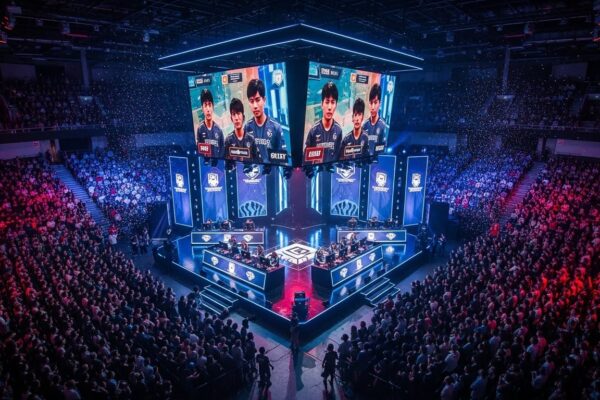
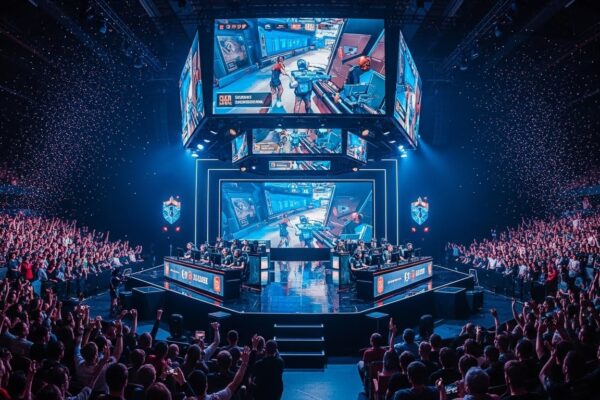
Esports, once considered a niche hobby for passionate gamers, has evolved into a global phenomenon that rivals traditional sports in scale, influence, and economic power. What began in small community tournaments has transformed into packed stadium events, multi-million prize pools, and worldwide online audiences. Today, esports is not just about playing video games; it represents a new form of competition, entertainment, and professional opportunity that reflects how technology is reshaping modern culture.
This blog explores the evolution of esports, its cultural impact, the professional ecosystem surrounding it, and what the future may hold for this rapidly growing industry.
Understanding Esports: More Than Just Gaming
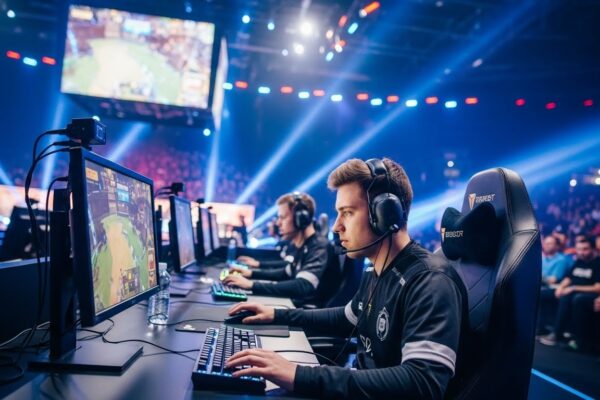
Esports, short for electronic sports, refers to organized competitive video gaming where individuals or teams compete at a professional or semi-professional level. Unlike casual gaming, esports involves structured leagues, official rules, professional training, coaches, analysts, and a strong fan base.
Popular esports titles span multiple genres, including strategy-based games, first-person shooters, sports simulations, and multiplayer online battle arenas. Each game demands a unique blend of skills such as quick reflexes, strategic thinking, teamwork, and mental resilience. This combination of cognitive and physical coordination is one of the reasons esports is increasingly recognized as a legitimate competitive discipline.
The Evolution of Esports Through the Years
The roots of esports can be traced back to early arcade competitions and local multiplayer tournaments. As internet connectivity improved, online gaming allowed players from different regions to compete against one another, laying the foundation for global competition.
The turning point came with live-streaming platforms and social media, which made it possible for millions of fans to watch matches in real time. Professional organizations began to form, sponsors entered the scene, and tournament organizers raised production standards to match those of traditional sports broadcasts. Over time, esports grew from grassroots communities into a structured industry with international reach.
The Esports Ecosystem: Players, Teams, and Organizations
At the center of esports are the players, often starting their journeys at a young age. Professional players follow intense training schedules that include practice sessions, strategy reviews, physical fitness routines, and mental conditioning. Reaction time, decision-making speed, and teamwork are constantly refined through disciplined preparation.
Teams operate much like traditional sports franchises. They have managers, coaches, analysts, and support staff who work behind the scenes to improve performance. Large organizations manage branding, merchandise, sponsorships, and media presence, turning teams into recognizable global brands.
Tournament organizers and league operators play another crucial role by maintaining competitive integrity, organizing events, and ensuring consistent rules across competitions. Together, these elements form a complex ecosystem that supports sustainable growth.
The Business of Esports: A New Economic Powerhouse
Esports has become a major business, generating revenue through sponsorships, advertising, media rights, merchandise, and ticket sales. Brands from technology, fashion, food, and even finance have entered the esports space to connect with younger, digitally native audiences.
Prize pools have grown dramatically, with top tournaments offering life-changing winnings for players. At the same time, player salaries, streaming income, and brand endorsements provide multiple income streams for professionals. This financial expansion has attracted investors, media companies, and traditional sports organizations, further legitimizing the industry.
Esports and Global Culture
Esports has had a profound impact on global culture, particularly among younger generations. It has created a shared language that transcends borders, allowing fans from different countries to connect through common interests. International tournaments showcase cultural diversity while fostering global communities united by competition.
Gaming personalities and esports athletes have become influential figures, shaping trends in fashion, music, and online entertainment. The rise of content creators has blurred the line between athlete and entertainer, as players engage with fans through live streams, social media, and personal branding.
Esports has also contributed to changing perceptions of gaming, shifting it from a solitary activity to a social and collaborative experience.
Career Opportunities Beyond Playing
While professional players receive much of the spotlight, esports offers a wide range of career paths beyond competition. Coaches, analysts, event managers, broadcasters, graphic designers, marketers, and software developers all play essential roles in the industry.
Educational institutions have started offering esports-related programs, covering subjects such as game design, event production, sports management, and digital marketing. These opportunities demonstrate that esports is not just a pastime but a viable career field with long-term potential.
The Role of Technology in Shaping Esports
Technology is the backbone of esports. Advances in hardware, software, and internet infrastructure have enabled high-quality gameplay and global connectivity. Streaming technology allows fans to watch matches from anywhere in the world, while data analytics tools help teams analyze performance and develop strategies.
Virtual reality, augmented reality, and artificial intelligence are beginning to influence training methods and fan experiences. As technology continues to evolve, esports will likely benefit from even more immersive and interactive formats.
Challenges Facing the Esports Industry
Despite its growth, esports faces several challenges. Player burnout is a significant concern, as intense schedules and high expectations can affect mental and physical health. Organizations are increasingly recognizing the importance of wellness programs and balanced lifestyles.
Another challenge is maintaining competitive integrity. Issues such as cheating, match-fixing, and inconsistent regulations can threaten the credibility of the industry. Establishing standardized governance and fair play policies remains an ongoing effort.
Additionally, inclusivity and diversity are areas that require continued attention. Encouraging broader participation and creating safe, welcoming environments will be crucial for long-term sustainability.
Esports and Traditional Sports: A Growing Connection
The relationship between esports and traditional sports is becoming stronger. Many sports clubs and athletes have invested in esports teams, recognizing the potential to reach new audiences. Skills such as teamwork, strategy, and discipline are shared across both worlds, creating mutual respect.
Esports has also influenced how traditional sports engage fans, particularly through digital platforms and interactive content. This cross-pollination suggests a future where both forms of competition coexist and learn from one another.
The Future of Esports
Looking ahead, esports shows no signs of slowing down. As technology improves and global connectivity increases, the audience will continue to grow. Emerging markets are embracing esports, adding new players, fans, and cultural perspectives to the scene.
The future may include more structured youth development programs, stronger governance, and deeper integration with education and mainstream entertainment. Esports could become a standard part of global sporting culture, recognized alongside traditional athletic competitions.
Conclusion: A New Era of Competition
Esports represents more than competitive gaming; it reflects how society is evolving in the digital age. It combines technology, creativity, competition, and community into a powerful cultural force. From professional players and business leaders to fans and aspiring creators, esports offers opportunities for connection and growth on a global scale.
As the industry continues to mature, its influence will extend beyond screens and stadiums, shaping how we define sports, entertainment, and career paths in the modern world. Esports is not just the future of gaming; it is a defining element of contemporary culture.