Esports has emerged as one of the most influential forms of modern entertainment, blending technology, competition, and community into a powerful global movement. What once started as casual gaming among friends has transformed into a professional industry with international tournaments, dedicated fan bases, and career opportunities that rival traditional sports. Esports is no longer just about playing games; it is about culture, identity, and the future of competitive entertainment.
Understanding What Esports Truly Is
Esports, short for electronic sports, refers to organized competitive video gaming. Players compete individually or in teams across various game genres, including strategy, shooting, sports simulation, and fighting games. Unlike casual gaming, esports is structured with leagues, tournaments, rankings, and professional organizations.
What sets esports apart is its accessibility and digital nature. Players from different countries can compete on the same stage without physical boundaries. Matches are streamed live to global audiences, allowing fans to engage in real time. This digital-first model has enabled esports to grow faster than many traditional sports ever could.
From Hobby to Global Phenomenon
The journey of esports from a niche hobby to a global industry is rooted in technological advancement. Early competitive gaming existed in arcades and local computer clubs, but the widespread availability of the internet changed everything. Online multiplayer games allowed players to compete globally, and streaming platforms made it possible for audiences to watch these competitions live.
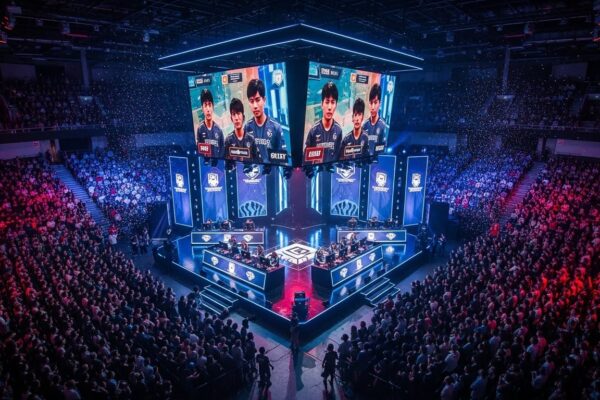
As viewership increased, sponsors and investors took notice. Prize pools grew, production quality improved, and esports events began filling large arenas. Today, major esports tournaments attract millions of viewers worldwide, proving that competitive gaming has earned its place in mainstream entertainment.
The Professional Esports Player Lifestyle
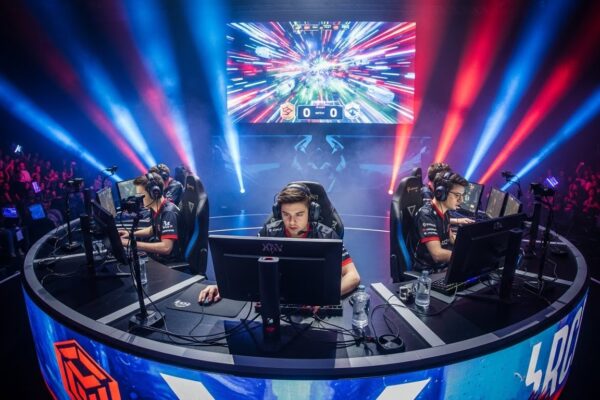
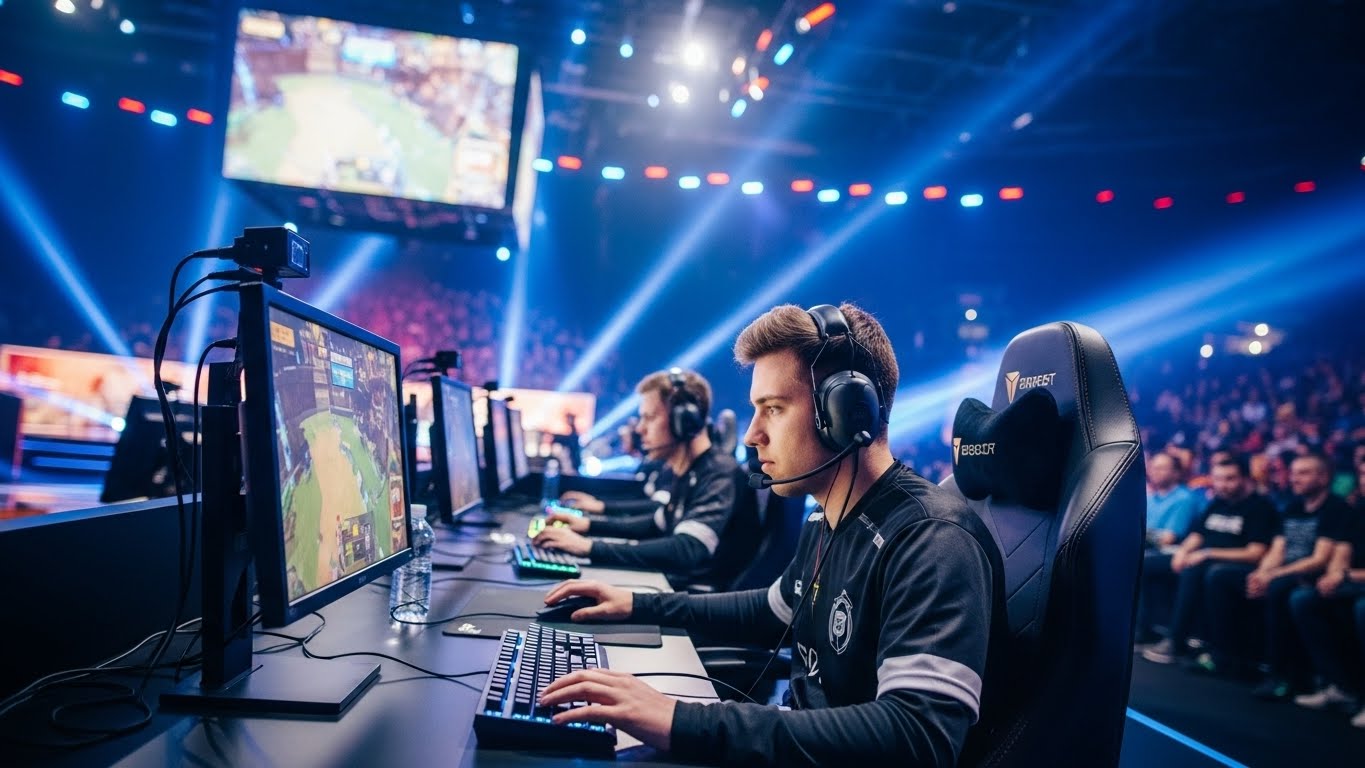
Professional esports players are often misunderstood as casual gamers, but the reality is far more demanding. Top players follow strict training schedules that include daily practice, team strategy sessions, performance reviews, and physical fitness routines. Mental endurance and focus are critical, as competitive matches require quick decision-making under pressure.
Teams are supported by coaches, analysts, and support staff who help refine strategies and improve performance. Just like traditional athletes, esports players face career challenges such as burnout, injuries related to repetitive motion, and the pressure to constantly perform at a high level.
Popular Esports Genres and Competitive Formats
Esports thrives across multiple game genres, each offering a unique competitive experience. Multiplayer online battle arena games emphasize teamwork, strategy, and map control. First-person shooters reward precision, reflexes, and tactical awareness. Fighting games focus on individual skill, timing, and mastery of mechanics.
Sports simulation games attract fans of traditional sports by recreating real-world competitions in a digital environment. Battle royale games introduce large-scale competition where survival and adaptability are key. This diversity allows esports to appeal to a wide audience, ensuring continued growth and innovation.
The Power of Esports Tournaments
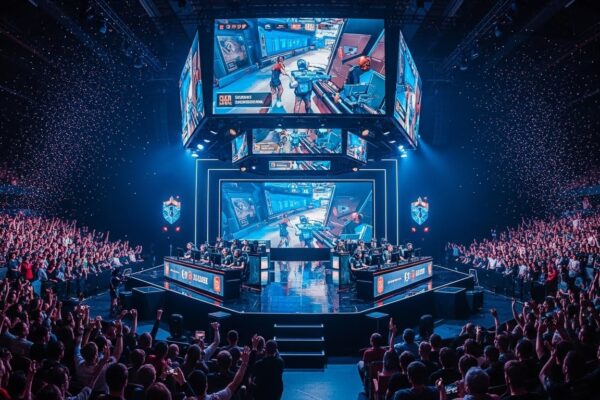
Tournaments are the heart of the esports ecosystem. They bring together the best players and teams to compete for titles, prize money, and prestige. These events are often produced with high-quality visuals, professional commentary, and immersive fan experiences.
Live esports events create an atmosphere similar to traditional sports championships, complete with cheering crowds and dramatic moments. Online viewers participate through live chats and community discussions, making esports a highly interactive form of entertainment. Tournaments not only showcase skill but also build narratives and rivalries that keep fans engaged.
Esports as a Business and Industry
The esports industry has developed into a complex business ecosystem. Revenue is generated through sponsorships, merchandise, media rights, ticket sales, and in-game purchases. Brands see esports as an effective way to connect with younger, digitally savvy audiences.
Esports organizations operate like professional sports franchises, managing player contracts, marketing strategies, and fan engagement. Tournament organizers, broadcasters, and game developers all play essential roles in sustaining the industry. This interconnected structure has created thousands of jobs beyond just playing games.
The Role of Streaming and Community Engagement
Streaming has been a major driver of esports growth. It allows fans to watch live competitions, follow their favorite players, and interact with content creators. Unlike traditional sports broadcasts, esports streams often include direct communication between players and viewers, fostering a strong sense of community.
Community engagement extends beyond live matches. Fans discuss strategies, share highlights, and create content that contributes to esports culture. This participatory environment strengthens fan loyalty and makes esports feel personal and inclusive.
Social and Cultural Impact of Esports
Esports has significantly influenced modern culture, especially among younger generations. It has redefined what it means to be an athlete and expanded the concept of competition. Players are celebrated for intelligence, teamwork, and adaptability rather than physical strength alone.
Esports also promotes inclusivity by allowing people of different backgrounds, abilities, and locations to compete on equal footing. However, it also faces challenges such as online toxicity and the need for better mental health support. Addressing these issues is essential for creating a positive and sustainable esports environment.
Esports in Education and Skill Development
Educational institutions are increasingly recognizing the value of esports. Schools and universities are forming esports teams, offering scholarships, and integrating gaming into academic programs. Esports education goes beyond playing games, teaching skills such as leadership, communication, data analysis, and digital literacy.
Students involved in esports often gain experience in event management, broadcasting, and marketing. These skills are transferable to many careers, making esports a valuable educational tool rather than a distraction.
Technology as the Backbone of Esports
Technology is the foundation of esports success. High-performance hardware, advanced software, and fast internet connections enable smooth and fair competition. Game developers continuously update titles to maintain balance and competitiveness.
Data analytics plays a growing role, helping teams analyze gameplay and improve strategies. Emerging technologies such as virtual reality and artificial intelligence may further transform how esports is played and watched, creating more immersive experiences for players and fans alike.
The Future Direction of Esports
The future of esports appears bright and expansive. Mobile esports is bringing competitive gaming to new regions, particularly where access to high-end hardware is limited. Cross-platform play and global leagues are increasing accessibility and competition.
As esports continues to integrate with mainstream entertainment, collaborations with traditional sports, music, and media are becoming more common. The industry is likely to see continued growth in viewership, investment, and cultural influence.
Conclusion
Esports has evolved into far more than competitive gaming. It is a global cultural movement that blends technology, entertainment, and human ambition. Through professional players, passionate fans, and constant innovation, esports has redefined competition for the digital age.
As the industry continues to grow, it will shape how future generations view sports, careers, and community. Esports is not replacing traditional sports; it is expanding the definition of what sports can be. Beyond the screen lies a world of opportunity, connection, and competition, proving that esports is here to stay.