Esports, short for electronic sports, has grown from a niche hobby into a global phenomenon over the past decade. What was once perceived as casual video gaming is now recognized as a legitimate competitive platform with professional players, international tournaments, and a global audience numbering in the millions. Esports is no longer just about playing games—it has become a cultural, economic, and technological force, shaping how people engage with entertainment, teamwork, and competition. This blog explores the rise of esports, its impact on players and society, and the factors driving its rapid growth.
Understanding Esports
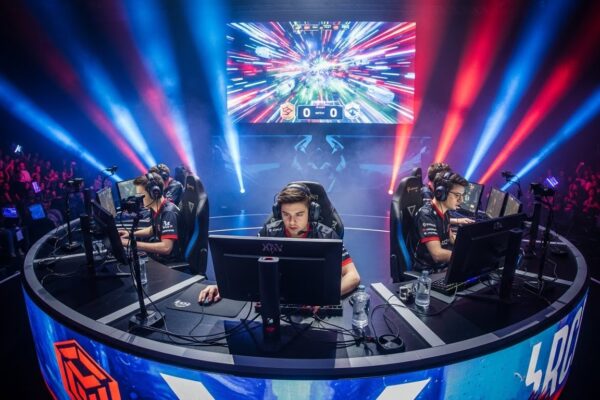
At its core, esports refers to organized competitive gaming. Individuals or teams compete in structured tournaments, often for substantial prizes, recognition, and professional advancement. Unlike casual gaming, esports demands skill, strategy, and discipline.
Esports spans multiple genres. Multiplayer online battle arenas (MOBAs) like League of Legends and Dota 2 emphasize teamwork and strategic planning. First-person shooters (FPS) such as Counter-Strike and Call of Duty focus on reflexes, precision, and rapid decision-making. Battle royale games like Fortnite and Apex Legends require situational awareness, resource management, and adaptability. Sports simulations and fighting games also have strong competitive communities. This variety ensures that esports can appeal to a wide range of players and audiences.
The Rise of Esports
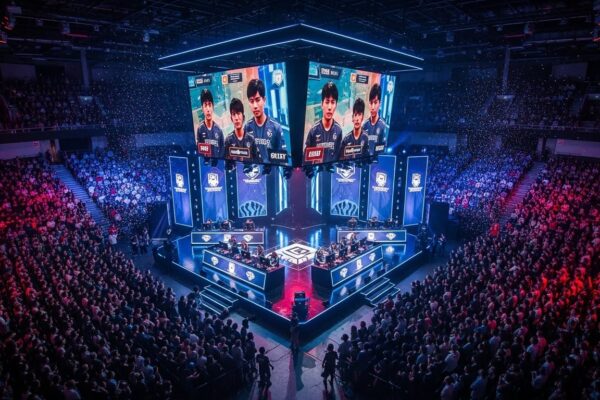
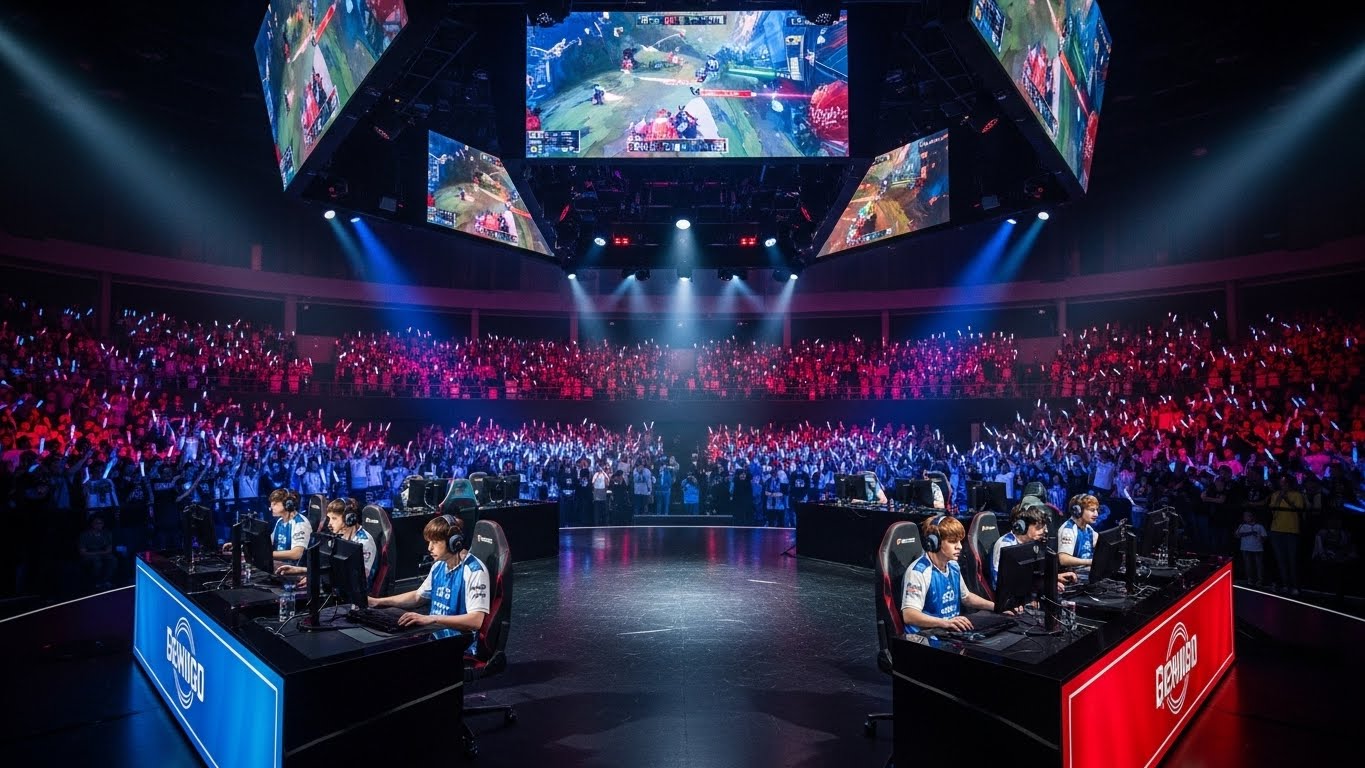
Esports has undergone remarkable growth over the last decade. In the early 2000s, competitive gaming existed primarily in small communities and local tournaments, often held in gaming cafes or homes. Today, esports events fill arenas with thousands of spectators and are streamed live to millions around the world.
Streaming platforms have played a crucial role in this growth. Fans can watch professional players compete, learn strategies, and interact with communities in real-time. The accessibility of high-speed internet and advanced gaming hardware has allowed players from all corners of the world to participate, further fueling the industry’s global expansion.
Economic Impact of Esports
Esports is now a multibillion-dollar industry. Revenue streams include sponsorships, advertising, media rights, merchandise, and tournament ticket sales. Professional teams operate similarly to traditional sports franchises, employing coaches, analysts, psychologists, and fitness experts to optimize player performance.
Major tournaments offer prize pools that rival traditional sports. Events such as The International and the League of Legends World Championship award millions of dollars to winning teams. Beyond the players, esports has created careers in content creation, event management, broadcasting, and marketing, making it a substantial contributor to the global economy.
Skill Development in Esports
Contrary to the misconception that gaming lacks educational or personal value, esports cultivates a variety of skills. Players train for hours daily, refining reflexes, hand-eye coordination, multitasking, and decision-making. Team-based games teach communication, leadership, and strategic collaboration, while individual games foster critical thinking and adaptability.
Cognitive skills are particularly enhanced. Players analyze opponents, anticipate moves, and make rapid, high-stakes decisions under pressure. These abilities are transferable to other areas of life, including academics, professional careers, and personal problem-solving.
Mental Health and Wellness
While esports offers numerous benefits, it also presents challenges, particularly in mental health and well-being. Professional players face intense pressure to perform, leading to stress, anxiety, and in some cases, burnout. Extended gaming sessions without adequate rest can cause fatigue, eye strain, and repetitive stress injuries.
Recognizing these risks, many esports organizations have incorporated wellness programs. Players now receive access to mental health support, structured training schedules, physical fitness routines, and nutrition guidance. These initiatives demonstrate the industry’s growing awareness that sustainable success requires holistic care for players.
Esports as a Career
Esports provides professional opportunities beyond playing competitively. Coaches guide teams, analyzing gameplay and refining strategies. Analysts study performance metrics to help players improve. Content creators produce videos, tutorials, and live streams that engage global audiences. Commentators, event organizers, and marketing teams further contribute to the industry’s infrastructure.
Colleges and universities increasingly offer esports programs, including scholarships for talented players. These programs integrate competitive gaming with academic learning, creating pathways for students to pursue careers in esports or related industries such as media, technology, and marketing.
Cultural Influence of Esports
Esports has profoundly impacted modern culture. Streaming platforms have transformed gaming into a participatory experience, where fans engage with players through chat, social media, and live interaction. Professional gamers are becoming cultural icons, influencing fashion, lifestyle trends, and entertainment.
Moreover, esports challenges outdated stereotypes about gaming. It demonstrates that video games can involve strategy, skill, and competitive spirit. Communities surrounding esports foster creativity, collaboration, and social engagement, allowing players and fans to cultivate identity and belonging in ways traditional sports may not.
Inclusivity and Global Reach
One of esports’ defining features is its inclusivity. Unlike many traditional sports, esports does not require specific physical attributes, expensive facilities, or geographic proximity. Anyone with access to a gaming device and internet connection can compete, making it accessible to a broad audience.
International competitions further enhance esports’ global reach. Players from different countries, cultures, and backgrounds compete on a level playing field. Cross-cultural interactions in tournaments and online communities promote mutual understanding, cooperation, and global camaraderie, reinforcing esports as a unifying force.
Technological Innovation in Esports
Technology drives esports at every level. High-performance gaming hardware, fast internet connections, and realistic graphics engines create immersive and competitive experiences. Data analytics tools track player performance, optimize strategies, and provide insights for continuous improvement.
Emerging technologies like virtual reality and augmented reality are expanding the possibilities of esports. VR can create more immersive training experiences, while AR enhances interactive viewing for audiences. Artificial intelligence assists coaches and players by analyzing gameplay and suggesting strategic adjustments. These innovations keep esports at the cutting edge of digital entertainment.
Challenges Facing Esports
Despite its rapid growth, esports faces several challenges. Regulatory standards are not yet fully established, which can result in inconsistent rules and ethical concerns. Online harassment, cheating, and toxic behavior are ongoing issues that the industry continues to combat.
Mental health and career longevity remain significant concerns. Intense pressure, long practice hours, and early burnout can threaten professional careers. Addressing these challenges requires proactive efforts from organizations, governing bodies, and communities to ensure fair play, safety, and sustainable career paths.
Education and Esports
Educational institutions are increasingly integrating esports into their programs. Schools and universities are creating competitive teams, offering courses in game design, strategy, and analytics, and providing opportunities for students to develop leadership, teamwork, and critical thinking skills through gaming.
Scholarships for esports athletes recognize competitive gaming as a legitimate pursuit. Students gain both educational benefits and professional exposure, combining academic learning with high-level competitive experience. This intersection of education and esports further solidifies the industry’s legitimacy and long-term potential.
The Future of Esports
The future of esports is bright and full of possibilities. Advances in technology, including VR, AR, and AI-driven analysis, will continue to enhance both training and spectator experiences. Interactive broadcasts and immersive viewing options will redefine how fans engage with competitions.
Esports will also continue to shape digital culture and entertainment. Its inclusivity, global appeal, and reliance on skill and strategy position it as a platform for innovation, creativity, and cross-cultural exchange. As society increasingly embraces digital engagement, esports is poised to remain a central part of modern entertainment and competitive culture.
Conclusion: Esports as a Transformative Force
Esports is far more than playing video games. It is a complex ecosystem that combines strategy, skill, technology, and culture, offering opportunities for personal growth, professional careers, and global connection. From enhancing cognitive and emotional skills to generating economic and cultural impact, esports has emerged as a transformative force in the digital era.
By redefining competition and challenging traditional perceptions of sport, esports inspires individuals to push their limits, embrace creativity, and engage with global communities. It demonstrates that the power of play extends beyond entertainment, shaping careers, culture, and society in profound ways.