Introduction to Esports
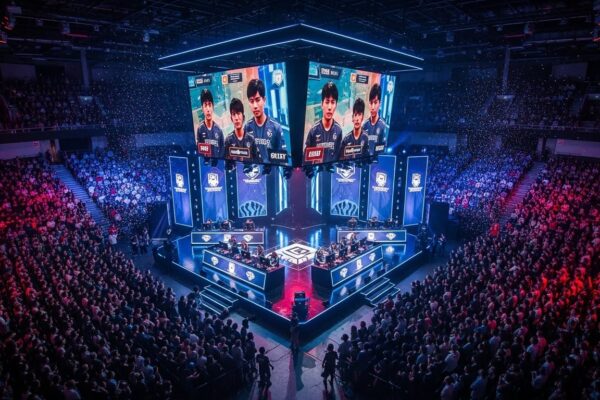
Esports, or electronic sports, has rapidly evolved from a niche hobby to a global entertainment and competitive industry. What once began as casual gaming competitions among friends has now transformed into professional leagues, tournaments, and a multimillion-dollar industry. Esports blends the thrill of competition with strategy, skill, and entertainment, attracting players and audiences from around the world.
Unlike traditional sports, esports exists entirely in digital arenas, allowing participants to compete virtually across different continents. It is not merely about playing games; it is about mastery, teamwork, mental agility, and adapting to rapidly changing dynamics. The growth of esports represents a convergence of technology, culture, and entertainment, creating an ecosystem that is both dynamic and inclusive.
The Evolution of Esports
The roots of esports trace back to the 1970s and 1980s when early video games began to gain popularity in arcades and computer labs. These events were small, localized competitions, often limited to individual skill rather than organized teams. Classic arcade games such as Space Invaders and Pac-Man laid the groundwork for competitive play, but esports as a structured phenomenon had yet to emerge.
The 1990s saw the rise of multiplayer online games, enabled by faster internet connectivity. Titles like Quake and StarCraft allowed players to compete against each other across cities and countries. Online tournaments began to emerge, drawing larger audiences and establishing competitive gaming as a serious endeavor. By the early 2000s, professional esports leagues were forming, offering structured competitions and substantial prize pools that attracted elite players.
Technological advancements, including improved graphics, high-speed internet, and gaming peripherals, accelerated the professionalization of esports. Streaming platforms further expanded its reach, allowing fans to watch tournaments live, interact with players, and build communities around their favorite games and teams.
Popular Genres and Games in Esports
Esports is a diverse ecosystem with numerous game genres, each offering unique competitive experiences. Multiplayer online battle arena games, or MOBAs, are among the most popular. These games focus on teamwork, strategy, and skillful execution. Players coordinate roles, develop tactics, and make split-second decisions in fast-paced environments, making MOBAs engaging for both participants and spectators.
First-person shooters, or FPS games, emphasize reflexes, precision, and tactical awareness. Competitive FPS tournaments showcase high-speed gameplay, team coordination, and mental stamina. Titles in this genre have cultivated some of the largest esports audiences worldwide.
Sports simulation games, such as digital soccer or basketball, replicate real-world sporting events. These games allow players to compete in familiar contexts, combining traditional sports enthusiasm with digital strategy and control. Fighting games remain another significant segment, emphasizing timing, technique, and one-on-one competition.
Battle royale games, digital card games, and real-time strategy titles continue to expand esports’ reach, attracting diverse audiences and pushing the boundaries of competitive gaming. Each genre contributes to a growing ecosystem that supports professional teams, tournaments, and global fan engagement.
Professionalization and Career Opportunities in Esports
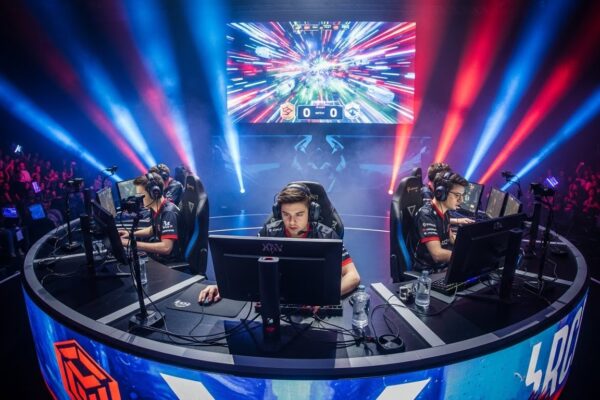
Esports has evolved into a structured professional industry. Professional teams operate similarly to traditional sports franchises, employing coaches, analysts, nutritionists, and psychologists to optimize player performance. Players undergo rigorous training schedules, practice strategies, and review gameplay to maintain competitive excellence.
Tournaments and leagues are at the heart of the esports ecosystem. These competitions range from regional qualifiers to international championships, offering substantial prize pools and sponsorship opportunities. The high stakes encourage players to commit fully to their careers, turning passion into professional achievement.
Beyond playing, esports has created a wide array of career opportunities. Commentators, analysts, tournament organizers, content creators, and marketing professionals all contribute to the thriving ecosystem. The industry also provides roles in technology development, streaming platforms, and event management, making esports a multidisciplinary career field.
The Role of Technology in Esports
Technology is fundamental to the success and growth of esports. High-performance computers, consoles, monitors with high refresh rates, and advanced peripherals ensure precise, responsive gameplay. Network infrastructure and fast internet connections enable global competition without latency, maintaining fairness and performance integrity.
Streaming technology has revolutionized how audiences engage with esports. Platforms allow millions of viewers to watch live tournaments, interact with players, and follow their favorite teams in real time. Professional production elements, including multiple camera angles, real-time statistics, and commentary, elevate esports broadcasts to the level of traditional sports coverage.
Artificial intelligence, virtual reality, and augmented reality are increasingly influencing esports. AI helps analyze gameplay, optimize strategies, and even enhance matchmaking for competitive balance. VR and AR offer immersive environments that could redefine competitive gaming experiences in the future, providing players and fans with interactive and engaging experiences that extend beyond traditional screens.
Esports as a Global Cultural Phenomenon
Esports has grown beyond gaming into a global cultural movement. Fans follow teams, players, and tournaments passionately, similar to traditional sports enthusiasts. The rise of professional players as celebrities has transformed esports into a mainstream entertainment phenomenon. Players build personal brands through streaming, social media, and content creation, engaging with fans directly and cultivating loyalty.
Communities are central to esports culture. Online forums, fan groups, and social media platforms allow players and fans to connect, share strategies, discuss tournaments, and celebrate victories. Esports events, both virtual and live, foster social interaction, creating a sense of belonging and shared identity among participants and spectators.
Esports also bridges cultural gaps. International competitions bring together players from diverse backgrounds, promoting cross-cultural understanding and collaboration. Global tournaments attract audiences from multiple continents, highlighting esports as a unifying force in digital entertainment.
Educational and Cognitive Benefits of Esports
Esports is not only a form of entertainment; it offers several cognitive and educational benefits. Competitive gaming requires strategic thinking, problem-solving, and adaptability. Players must analyze evolving scenarios, make quick decisions, and anticipate opponents’ actions, improving cognitive flexibility and analytical skills.
Team-based esports emphasize communication, coordination, and collaboration. Players develop leadership abilities, teamwork skills, and conflict resolution strategies. These skills are transferable to academic, professional, and personal contexts, making esports a tool for skill development.
Some educational institutions have integrated esports programs, providing scholarships and courses related to game design, broadcasting, and digital media management. These programs highlight esports as a multidisciplinary field with potential for career development and academic achievement.
Economic Impact of Esports
Esports has become a major economic driver. Revenue is generated through advertising, sponsorships, media rights, merchandise, ticket sales, and in-game purchases. This financial ecosystem supports professional teams, event organizers, technology providers, and content creators, fueling continuous growth.
The rise of esports has led to investment in infrastructure, including arenas, training facilities, and specialized studios. Cities and countries recognize the economic potential of hosting tournaments, which stimulate tourism, hospitality, and local businesses.
Streaming platforms and digital content creation also contribute to the economy. Individual streamers, influencers, and creators generate revenue through subscriptions, sponsorships, and advertising, forming an interconnected ecosystem that extends beyond competitive play.
Challenges Facing Esports
Despite its growth, esports faces several challenges. Maintaining competitive integrity is critical. Issues such as cheating, match-fixing, and unsportsmanlike behavior threaten the credibility of competitions. Regulatory frameworks and monitoring systems are essential to uphold fairness and ethics.
Player health is another concern. Long hours of training and competition can lead to physical strain, mental fatigue, and burnout. Implementing structured training schedules, mental health support, and wellness practices is essential for sustaining long-term careers in esports.
The rapidly evolving industry also requires consistent governance and regulation. Ensuring fair compensation, contract transparency, and intellectual property protection is necessary for maintaining industry stability and trust among players, teams, and stakeholders.
The Future of Esports
The future of esports is bright and full of innovation. Emerging technologies such as virtual reality, augmented reality, and AI will redefine gameplay, viewing experiences, and competitive formats. These technologies will allow for more immersive, interactive, and personalized experiences for players and fans alike.
Esports will continue to integrate with traditional sports, education, and mainstream entertainment. Schools and universities are increasingly adopting esports programs, offering scholarships, academic courses, and professional pathways. Collaborative projects between gaming and entertainment industries will further expand the cultural reach of esports.
Global tournaments and streaming platforms will continue to attract larger audiences, creating opportunities for sponsorship, advertising, and brand development. The integration of technology, culture, and community ensures that esports will remain a dynamic and influential part of the entertainment landscape.
Conclusion
Esports has emerged as a transformative force in entertainment, competition, and culture. From its early beginnings in arcades to today’s global tournaments, esports combines skill, strategy, teamwork, and technology to create a unique competitive ecosystem.
The industry offers diverse career opportunities, fosters social communities, promotes cognitive and educational benefits, and drives economic growth. While challenges such as player health, regulation, and competitive integrity remain, esports continues to innovate and expand.
As technology advances and audiences grow, esports will further solidify its position as a mainstream cultural phenomenon. It represents a new era where digital athletes achieve global recognition, communities thrive online and offline, and the boundaries of competition are redefined in virtual arenas.
The rise of esports proves that passion, dedication, and skill can elevate gaming from a pastime to a professional and cultural movement, inspiring millions of players and fans around the world.