Esports has rapidly transformed from casual gaming into a global phenomenon. Competitive gaming now attracts millions of players and spectators worldwide, turning video games into a professional arena where skill, strategy, and teamwork define champions.
The Evolution of Esports
Esports began as small-scale competitions among friends and local gaming communities. With advancements in technology and online connectivity, tournaments grew in size and scope. Today, esports features professional leagues, live streaming, and international championships, making it a recognized and respected part of modern entertainment.
The Skills Behind the Game
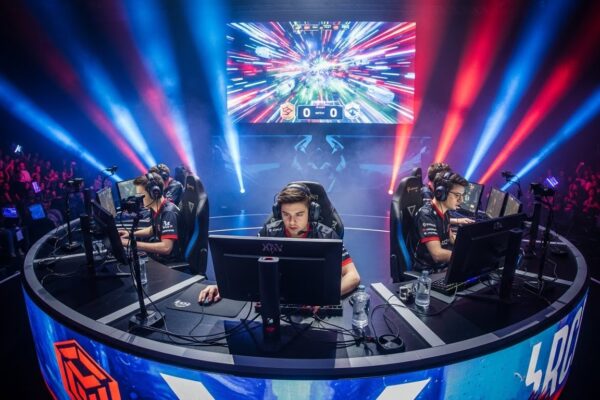
Success in esports requires more than quick reflexes. Players develop strategic thinking, decision-making, and communication skills. Professional gamers train rigorously, studying gameplay, analyzing opponents, and perfecting their techniques. Mental agility, focus, and adaptability are just as crucial as hand-eye coordination in achieving victory.
Global Tournaments and Spectator Culture
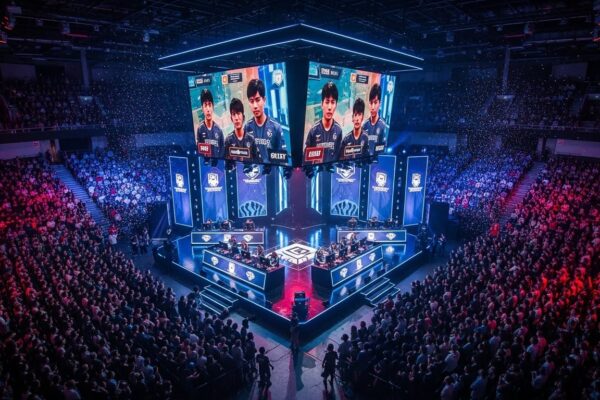
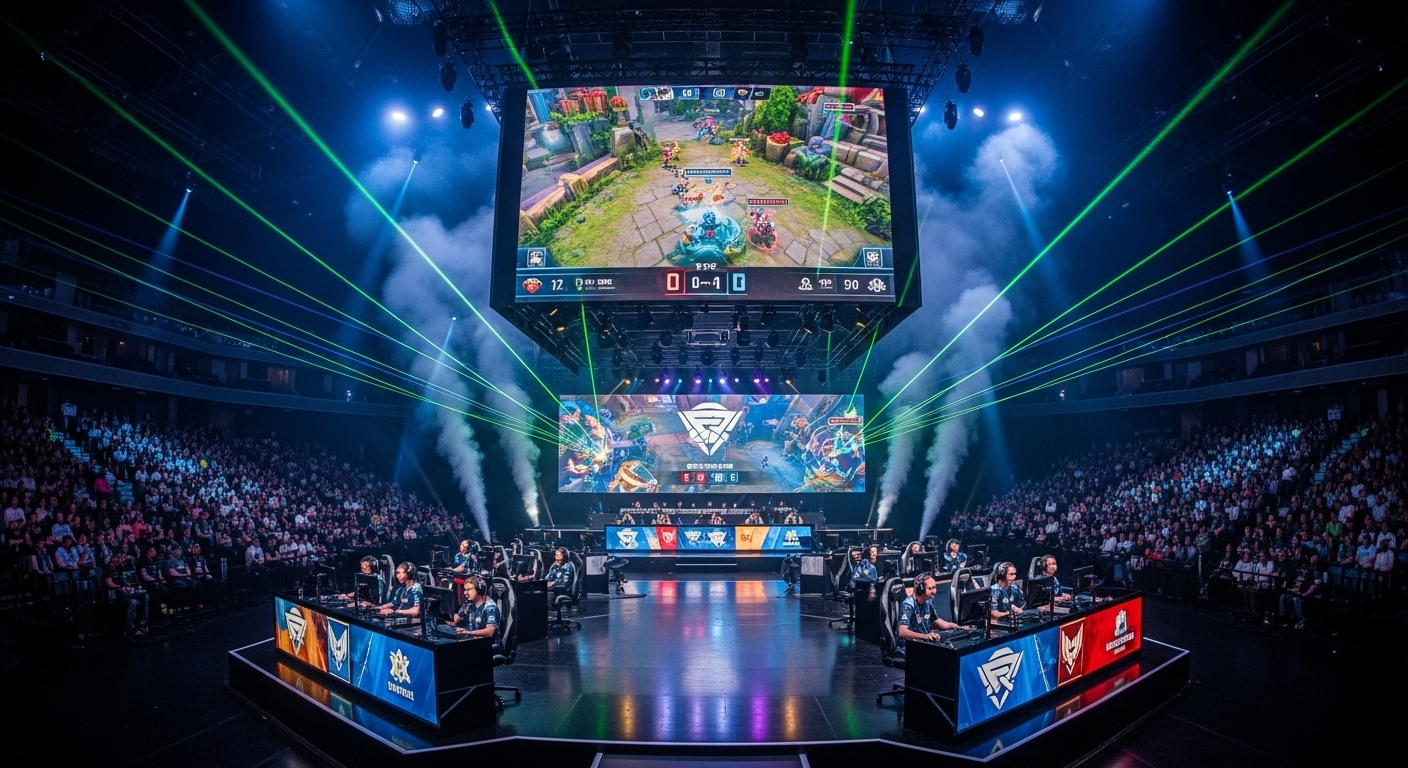
Esports tournaments now fill arenas and attract millions of viewers online. Games from various genres, including strategy, first-person shooters, and multiplayer online battle arenas, showcase the best players in action. Commentary, live analysis, and fan engagement make esports an exciting spectator experience comparable to traditional sports.
Technology at the Core
Technology drives every aspect of esports. High-performance gaming systems, fast internet, and advanced software make competitive play possible. Streaming platforms allow fans to watch live events, while analytics and training tools help players improve their performance. Continuous technological innovation ensures that esports remains immersive and engaging.
Career Opportunities in Esports
Esports is not only about playing professionally. The industry also includes careers in coaching, commentary, game analysis, content creation, and event management. Many educational institutions now offer programs and scholarships focused on esports, highlighting its growing legitimacy as a career path.
Building Community Through Gaming
Esports connects players and fans across the globe. Multiplayer games foster teamwork and communication, while online communities provide spaces to share strategies and celebrate achievements. The social aspect of esports strengthens bonds and creates a shared passion that transcends borders.
The Future of Esports
The future of esports is full of possibilities. Virtual reality, artificial intelligence, and cloud gaming promise more immersive and interactive experiences. As the industry grows, esports will continue to influence entertainment, culture, and even education, shaping how people compete and connect worldwide.
Conclusion: More Than Just Play
Esports is a powerful blend of competition, strategy, and community. It challenges players, entertains millions, and builds global connections. Beyond being a game, esports represents the future of digital sports and a new way for people to engage, compete, and inspire one another.