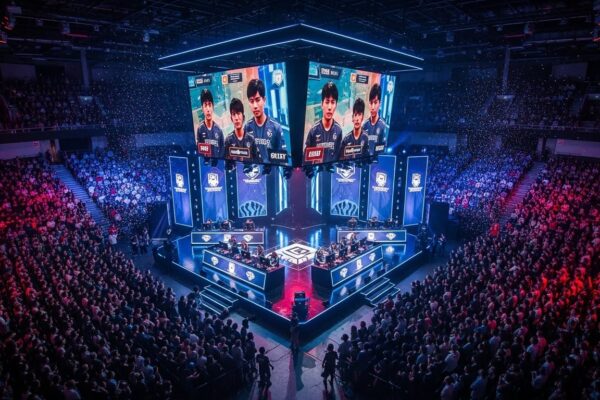
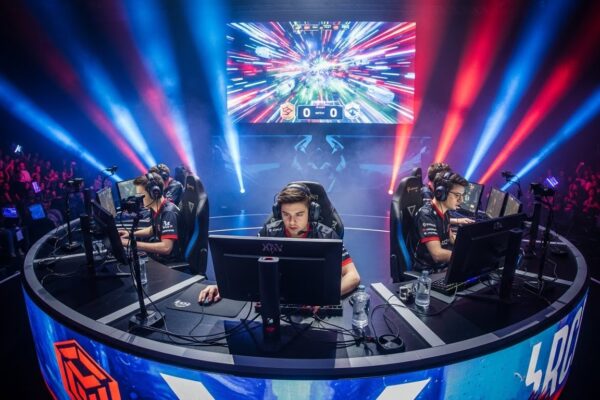
Esports, once a niche interest for passionate gamers, has now emerged as a global phenomenon, transforming the way we view competition, entertainment, and even professional sports. What started as small-scale tournaments in LAN cafés has exploded into a multi-billion-dollar industry, offering massive prize pools, global audiences, and professional players who are treated like athletes. The world of esports is rapidly evolving, and its influence on popular culture and the economy is undeniable.
In this blog post, we’ll explore how esports has grown into the juggernaut it is today. We’ll dive into its origins, its rise to prominence, the professionalization of the industry, and the unique role it plays in the global entertainment landscape. Whether you’re a seasoned esports fan or new to the scene, this article will provide a comprehensive overview of how esports became one of the most exciting and fast-growing sectors in entertainment.
The Genesis of Esports: From Hobby to Competition
Esports, as we know it today, didn’t develop overnight. In fact, its roots can be traced back to the early days of video gaming. The 1970s and 1980s saw the birth of arcade gaming, and while there were no formal competitions, the idea of players testing their skills against one another began to take shape. However, it wasn’t until the 1990s that the world of competitive gaming truly began to take off.
The earliest examples of competitive gaming came from tournaments for games like Space Invaders and Pong. The first notable tournament was the Space Invaders Championship held by Atari in 1980, which brought players together to compete for prizes. Though small and limited in scope, this event set the stage for future gaming competitions. By the mid-1990s, multiplayer games like Quake, StarCraft, and Warcraft began to dominate the gaming scene. These games introduced online multiplayer modes that allowed players to connect with one another across great distances, laying the groundwork for the first true esports competitions.
As the internet began to expand, so too did the concept of competitive gaming. LAN parties and local tournaments quickly grew into larger-scale international competitions. The early 2000s saw the formation of organizations like the World Cyber Games (WCG) and the Electronic Sports World Cup (ESWC), which provided platforms for players around the world to compete. These tournaments, along with the growing influence of online gaming communities, helped to solidify esports as a legitimate form of competition.
The Explosion of Esports: From a Hobby to a Multi-Billion Dollar Industry
Fast forward to today, and esports is no longer just a hobby—it has become a global industry with a projected value in the billions. The rise of streaming platforms, the professionalization of teams, and the increasing viewership of esports events have all contributed to its massive growth.
The key turning point for esports came with the emergence of streaming platforms like Twitch, which launched in 2011. Twitch provided a dedicated space for gamers to broadcast their gameplay live to audiences worldwide. This shift allowed fans to watch their favorite players and teams in real time, creating an interactive experience that traditional sports broadcasts couldn’t match. The ability to watch high-level gameplay, interact with other viewers, and engage directly with players transformed the way fans experienced competitive gaming.
By 2014, esports had become so popular that major corporations and sponsors began taking notice. Brands like Coca-Cola, Intel, and Red Bull started sponsoring esports events, recognizing the potential for large-scale exposure to a tech-savvy, engaged audience. The prize pools for major tournaments also began to skyrocket, with the Dota 2 International (the premier tournament for the game Dota 2) offering a prize pool of over $25 million in 2018. This kind of financial investment reflected the growing legitimacy of esports as an entertainment industry.
As esports grew in scale, it also began to resemble traditional sports in its structure. Professional gaming leagues, such as the League of Legends Championship Series (LCS), Overwatch League (OWL), and Call of Duty League (CDL), were established to provide year-round competition for top-tier teams and players. These leagues operate much like sports leagues, with regular season matches, playoffs, and championship events. As a result, esports gained recognition as a professional career, with athletes signing contracts, receiving sponsorships, and participating in global competitions.
The Role of Streaming and Social Media in Esports
A critical component of esports’ success has been the role of streaming and social media in fostering a deep connection between players, fans, and organizations. Platforms like Twitch, YouTube Gaming, and Facebook Gaming have played a vital role in driving engagement and visibility for esports. With millions of active viewers watching tournaments and live streams of individual players, these platforms have provided a way for fans to connect with the action in real time.
In addition to watching tournaments, fans can interact with players directly through live chats, social media, and community forums. This interaction fosters a sense of intimacy and engagement that traditional sports broadcasts often lack. Fans can follow their favorite players on platforms like Twitter, Instagram, and YouTube, gaining insight into their lives, training routines, and strategies. The rise of esports influencers, or “streamers,” has also contributed to this dynamic, as content creators have built massive followings through their entertaining gameplay and engaging personalities.
Social media has also been pivotal in expanding the reach of esports. Events are often live-tweeted, with highlights and updates shared across platforms, allowing fans to stay connected even if they can’t watch the entire event. Hashtags, memes, and fan-created content further contribute to the viral nature of esports. The ability for fans to share their experiences and opinions on social media has created a community that transcends geographic boundaries, turning esports into a truly global entertainment experience.
The Professionalization of Esports: From Hobbyists to Athletes
Esports has undergone a significant transformation from a hobbyist activity to a full-fledged professional sport. Just as traditional sports teams hire coaches, analysts, and trainers, esports organizations now invest heavily in team infrastructure to ensure the success of their players.
Many esports teams now operate in dedicated training facilities, where players can practice, review game footage, and refine their strategies. In fact, some organizations employ fitness trainers and psychologists to help players maintain their physical and mental health. As esports is a mentally demanding activity, the pressure of constant competition can take a toll on players, making it essential for organizations to support their athletes beyond just the game itself.
Professional esports players are now treated like traditional athletes, with contracts that offer salaries, performance bonuses, and sponsorship deals. Players have become household names, and some have even made millions of dollars in prize money and streaming revenue. Esports organizations also function like sports teams, with managers, public relations teams, and marketers working behind the scenes to build the brand and reputation of their players and teams.
Esports has opened doors for new career paths. While professional players are the most visible figures, there are a growing number of opportunities in areas like event management, broadcasting, analytics, and social media. Analysts provide in-depth commentary and strategy breakdowns during live events, while event organizers manage large-scale tournaments and fan experiences. With the growth of the esports industry, many fans and aspiring professionals are finding ways to contribute to the ecosystem, regardless of whether they play the games themselves.
The Global Impact of Esports
Esports has not only transformed the world of gaming but has also had a significant impact on culture, tourism, and the global economy. In many parts of the world, esports is viewed as a legitimate career path, and countries like South Korea have long regarded professional gaming as a prestigious occupation. In recent years, more nations have embraced esports as an important sector in their economy, creating national esports programs and even considering esports for inclusion in major international sporting events like the Olympics.
In addition to its cultural impact, esports has had a positive effect on local economies. Major esports events attract thousands of fans who travel from all over the world to watch their favorite players in action. Cities that host major tournaments benefit from increased tourism, hotel bookings, and sales in local businesses. The League of Legends World Championship, for example, has been held in cities such as Los Angeles, Paris, and Seoul, drawing massive crowds and generating millions of dollars in economic activity.
Furthermore, esports has helped break down barriers and promote inclusivity. Unlike many traditional sports, esports is accessible to people of all physical abilities, allowing individuals from diverse backgrounds to participate. Women have also become increasingly involved in competitive gaming, and while the industry still has work to do in terms of representation and equality, there are many female esports players and streamers who have found success in the field.
The Future of Esports: Endless Possibilities
The future of esports looks incredibly promising. As technology continues to advance, we are likely to see more immersive and interactive experiences for both players and viewers. Virtual reality (VR) and augmented reality (AR) could revolutionize the way we engage with esports, creating more dynamic and visually stunning competitions.
Esports is also expanding into mobile gaming. In regions like Southeast Asia, mobile games such as PUBG Mobile and Mobile Legends have become massive esports titles, attracting millions of players and viewers. The accessibility of mobile gaming means that esports could reach an even broader audience in the coming years, as more people can participate without needing high-end gaming PCs or consoles.
As esports continues to grow, its integration with traditional sports is inevitable. Major sports leagues like the NBA and NFL have already launched their own esports initiatives, and more crossovers are expected in the future. This could lead to hybrid events that combine physical sports with esports competitions, further blurring the lines between digital and traditional athleticism.