Introduction: The Rise of Competitive Gaming
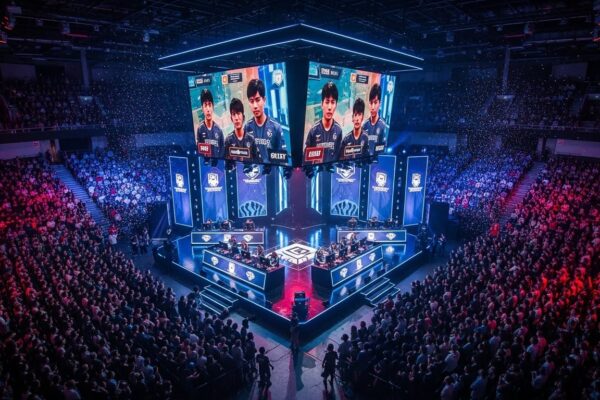
Esports, short for electronic sports, has grown from niche hobbyist gatherings into a worldwide spectacle. What once began as informal gaming competitions has evolved into professional leagues, massive tournaments, and a thriving industry. Today, esports is not just about playing games; it’s about skill, strategy, teamwork, and entertainment that reaches millions of fans across the globe.
The Origins of Esports
The story of esports dates back to the early days of video games. Classic titles like StarCraft, Counter-Strike, and Warcraft pioneered competitive play. Players competed in local tournaments, and communities formed around these games. With the advent of faster internet and live streaming platforms, esports quickly moved online, allowing players from different regions to compete on a global scale and turning casual gaming into professional opportunities.
Popular Esports Genres
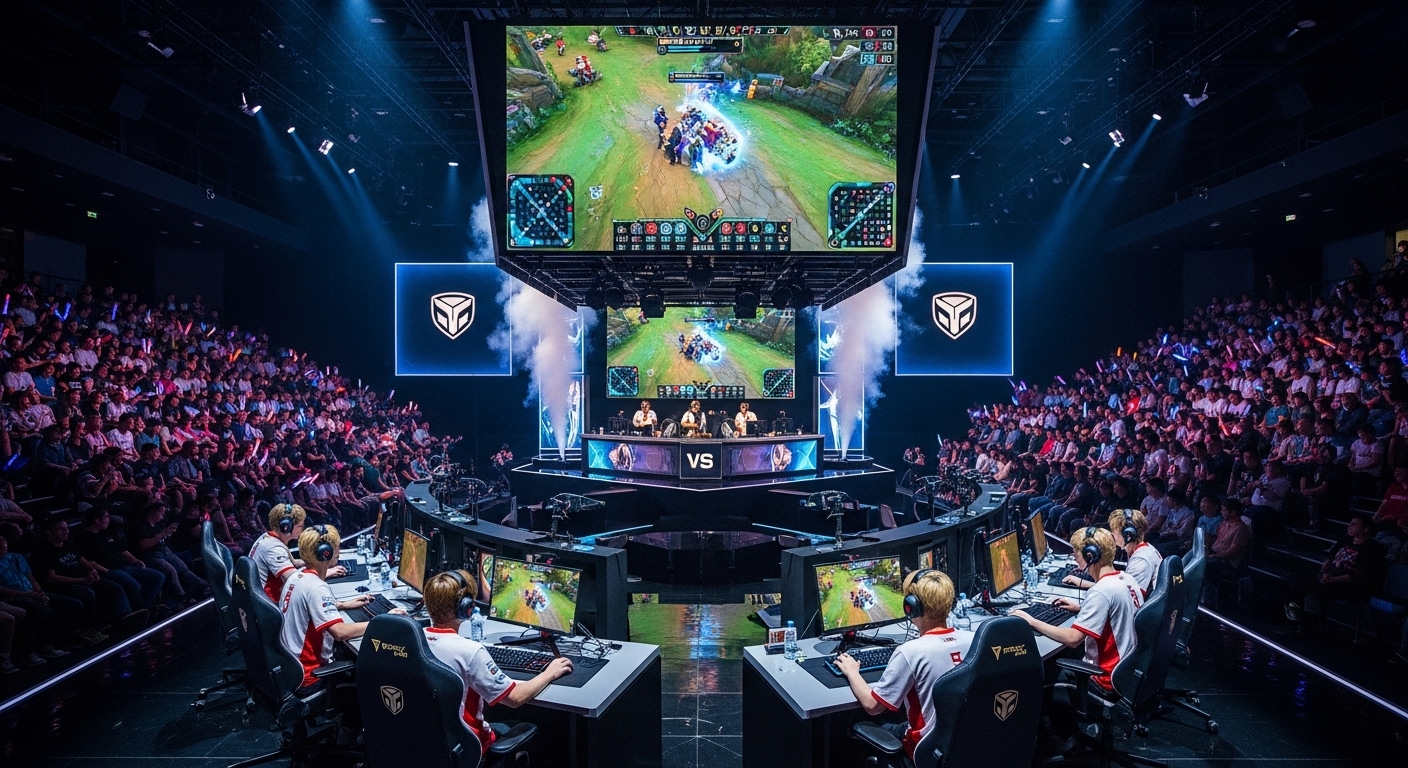
Esports includes a wide variety of game types, each with its own competitive style. Multiplayer Online Battle Arena (MOBA) games, such as League of Legends and Dota 2, emphasize teamwork and strategy. First-Person Shooter (FPS) games like Call of Duty and Valorant focus on precision, reflexes, and quick decision-making. Other genres, including fighting games, sports simulations, and real-time strategy games, provide players with multiple ways to showcase their talent and creativity.
Professional Players and Training
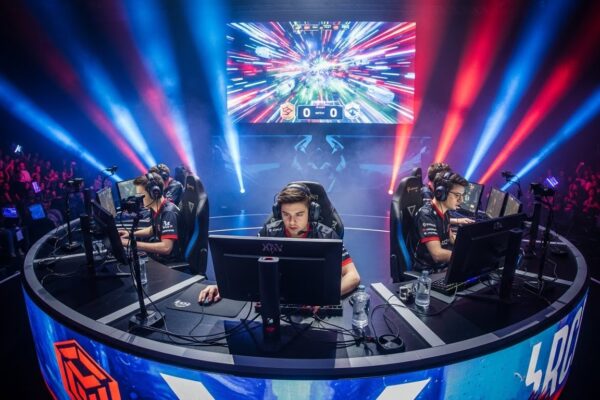
Professional esports players train rigorously, often mirroring the dedication of athletes in traditional sports. Daily routines include skill practice, strategy analysis, teamwork exercises, and mental conditioning. Teams participate in tournaments, leagues, and championships, backed by coaches and support staff. This level of professionalism highlights the discipline and commitment required to succeed in esports.
The Business of Esports
Esports has grown into a multi-billion-dollar industry. Sponsorships, advertising, merchandise, and media deals are key revenue sources. Brands see value in connecting with the younger, tech-savvy audience that follows esports. Streaming platforms generate income through subscriptions and donations, creating a sustainable ecosystem that supports players, organizers, and fans alike.
Community and Cultural Impact
Esports is more than just competition—it’s a cultural movement. Fans form communities around favorite games and players, interacting through social media, streaming platforms, and events. Esports influences fashion, music, and entertainment, merging gaming culture with mainstream media. The passion and engagement of fans demonstrate how deeply esports resonates with people worldwide.
Challenges Facing Esports
Despite its success, esports faces challenges. Player burnout, mental health concerns, and inconsistent industry regulations are major issues. Ensuring fair play, managing online toxicity, and maintaining long-term career opportunities for players are essential for sustainable growth. The industry must balance rapid expansion with ethical practices and player well-being.
Conclusion: The Future of Esports
Esports is not just a passing trend; it represents the future of competitive entertainment. Combining technology, skill, and community, it continues to redefine what it means to compete in the digital age. As esports grows, opportunities for players, fans, and businesses will continue to expand, solidifying its place as a major force in global culture and entertainment.