Introduction: The Rise of a New Era in Competition
For decades, traditional sports like football, basketball, and cricket have dominated global entertainment. Fans have filled stadiums, players have become icons, and competitions have shaped cultures. But as the world shifted into the digital age, a new form of competition began to emerge — one that required no stadium, no physical ball, and no running track. This was the birth of esports, a world where virtual skill, lightning reflexes, and strategic mastery became as respected as athletic prowess.
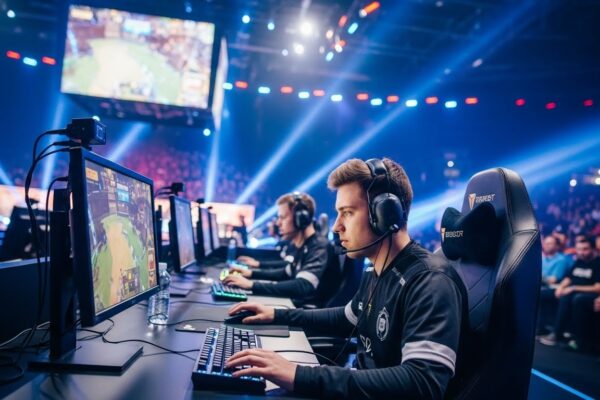
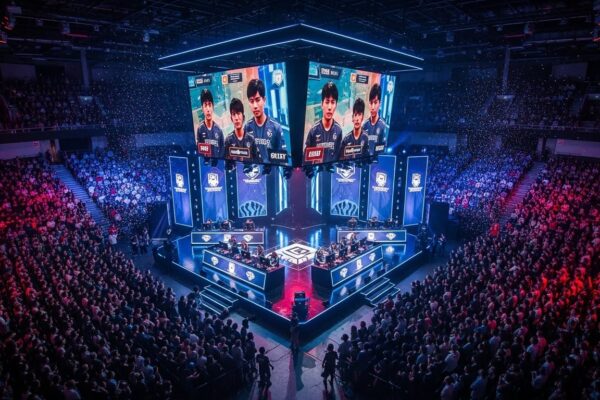
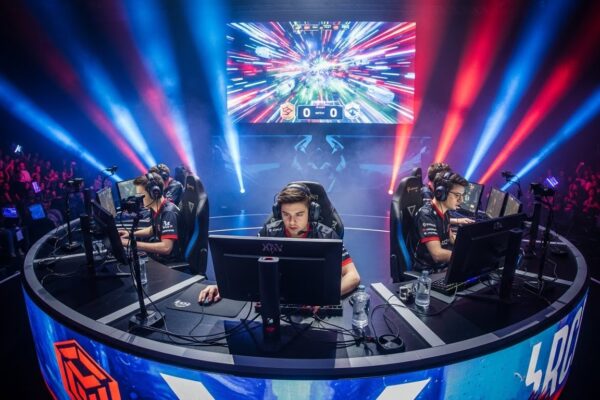
In the last two decades, esports has transformed from a niche hobby into a global phenomenon. Today, millions of fans tune in to watch professional gamers battle it out in arenas packed with roaring crowds, where the stakes are as high as any major sporting event. The rise of esports represents more than just a new pastime; it’s a cultural movement redefining how we perceive competition, entertainment, and technology.
The Origins of Esports: From Arcades to Global Arenas
The story of esports begins long before live streaming, sponsorships, and multi-million-dollar tournaments. In the 1970s and 1980s, video games were primarily about personal entertainment. Arcades filled with flashing lights and beeping sounds became social hubs for gamers. Titles like Space Invaders, Pong, and Donkey Kong were simple yet addictive, and people started organizing small competitions to see who could achieve the highest score.
The first recognized video game competition took place in 1972 at Stanford University, where students competed in Spacewar! for a year’s subscription to Rolling Stone magazine. By the 1980s, arcade championships were drawing national attention in the United States. Magazines like Twin Galaxies began tracking high scores, and televised game shows started featuring video game challenges.
But the real transformation began in the 1990s with the advent of home consoles and personal computers. As gaming moved into people’s living rooms, new genres like first-person shooters, real-time strategy, and fighting games created a competitive spark that set the stage for organized tournaments. Games such as Street Fighter II, Quake, and StarCraft laid the foundation for modern esports.
The 2000s: Esports Comes of Age
The early 2000s marked the true birth of esports as a structured industry. Broadband internet became more accessible, allowing players from around the world to compete in real-time. South Korea, in particular, became the epicenter of the esports revolution. The country’s investment in high-speed internet infrastructure and its gaming culture turned titles like StarCraft: Brood War into national obsessions. Professional players gained celebrity status, appearing on television and signing sponsorship deals.
At the same time, international tournaments began emerging. The Cyberathlete Professional League (CPL), World Cyber Games (WCG), and Electronic Sports World Cup (ESWC) gave competitive gaming a global platform. Games like Counter-Strike, Warcraft III, and Dota drew massive audiences online and offline.
Streaming platforms such as YouTube and later Twitch revolutionized how fans consumed esports content. Instead of just reading about tournaments, viewers could now watch them live from anywhere in the world. This accessibility bridged the gap between players and fans, turning esports into a participatory culture.
The 2010s: Esports Becomes a Global Industry
By the 2010s, esports was no longer a fringe subculture — it had evolved into a billion-dollar industry. With massive tournaments, corporate sponsorships, and franchised leagues, esports mirrored the structure of traditional sports. Major companies like Intel, Red Bull, and Coca-Cola began investing heavily in the scene, recognizing the enormous marketing potential of this new entertainment medium.
The Rise of Major Titles
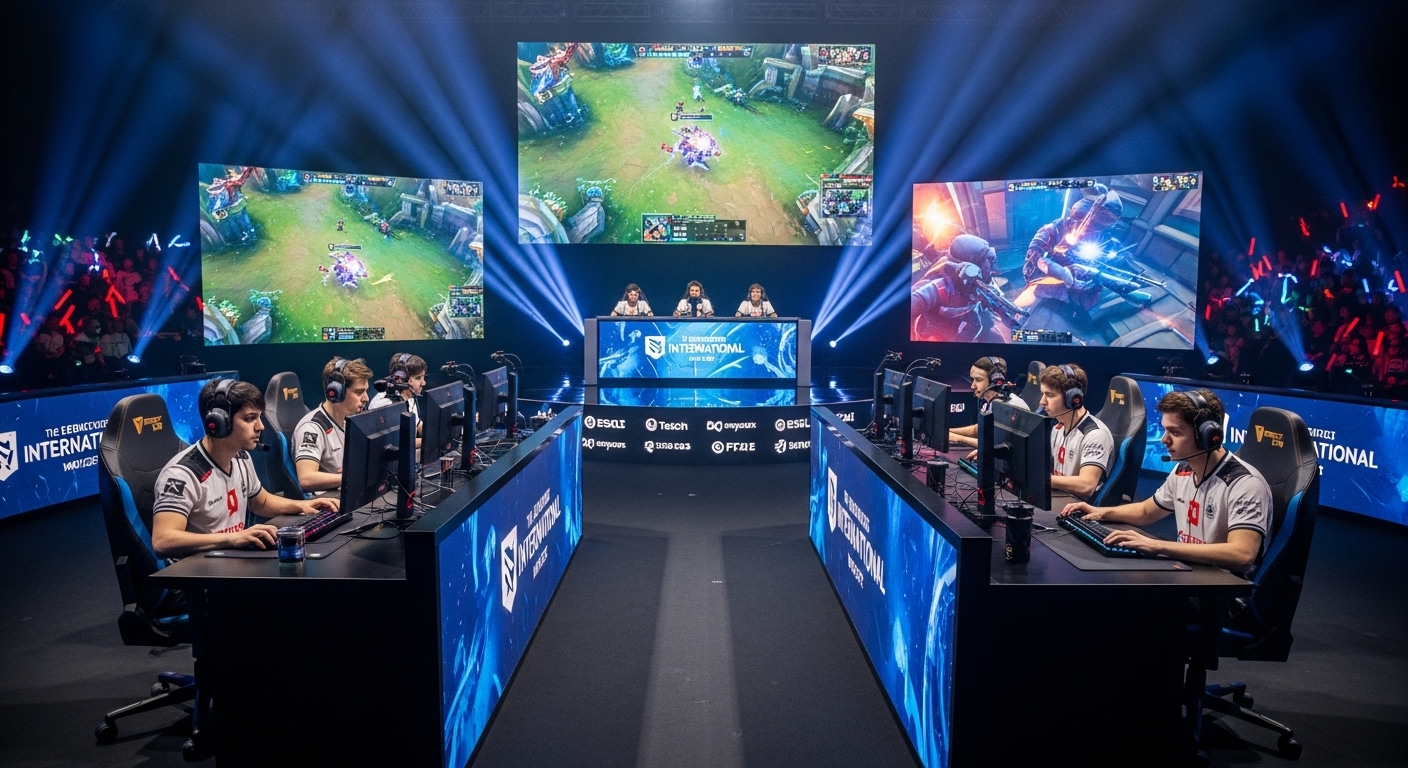
Several iconic games defined the modern esports landscape. League of Legends became a global sensation with its annual World Championship attracting millions of viewers. Dota 2 followed closely with The International, known for offering some of the largest prize pools in competitive gaming history. Counter-Strike: Global Offensive, Overwatch, Call of Duty, and Fortnite further diversified the scene, each bringing its unique audience and competitive ecosystem.
Franchised Leagues and Professionalism
As esports grew, so did its professionalism. Franchised leagues, similar to traditional sports leagues, began to form. The Overwatch League introduced city-based teams, mirroring models like the NBA and NFL. Players signed contracts, received salaries, and enjoyed benefits such as housing, coaching, and medical support. Esports organizations became brands in their own right, managing teams across multiple games and building fan communities worldwide.
The Streaming Revolution
Streaming became the lifeblood of esports. Platforms like Twitch, YouTube Gaming, and Facebook Gaming allowed fans to interact directly with their favorite players and teams. Esports events could attract millions of concurrent viewers online — rivaling, and sometimes surpassing, the viewership of major sporting events. The barrier between players and fans dissolved, fostering a unique culture of engagement and accessibility.
The Cultural Impact of Esports
Esports is more than just gaming; it’s a cultural force that has reshaped entertainment, media, and technology.
Changing Perceptions of Competition
For a long time, gaming was dismissed as a hobby for teenagers. Esports challenged this stereotype. Professional players train for hours daily, mastering strategies, communication, and reflexes much like athletes in traditional sports. This shift in perception helped elevate gaming to a respected form of competition, complete with commentators, analysts, and coaching staff.
Youth and Digital Communities
Esports has become a defining element of youth culture. Younger generations who grew up in the digital age see competitive gaming as both a passion and a career path. Communities form around games, teams, and streamers, creating vibrant ecosystems that foster collaboration and creativity. Esports also encourages skills like teamwork, problem-solving, and leadership — qualities valued beyond gaming.
Mainstream Recognition
Esports’ entry into mainstream culture is undeniable. Universities now offer scholarships for esports athletes, cities host tournaments in massive arenas, and even traditional sports franchises have invested in esports teams. Events like the League of Legends World Championship and The International are broadcast on television, and their production quality rivals that of the Olympics or FIFA World Cup.
The Economics of Esports
Esports has grown into a multi-billion-dollar industry with multiple revenue streams. Understanding its economic structure helps explain why it has become one of the fastest-growing entertainment sectors.
Revenue Streams
The main sources of esports revenue include sponsorships, media rights, merchandise, ticket sales, and digital advertising. Sponsorships are particularly significant — brands see esports as a gateway to reach the tech-savvy, younger demographic that traditional advertising often misses.
In addition, streaming platforms and broadcasters purchase media rights to air tournaments. Merchandise and ticket sales further contribute, especially as live events return to physical arenas after years of online-only competition.
Player Earnings and Team Management
Top esports players earn impressive salaries, often supplemented by streaming income and sponsorships. Prize money can reach millions of dollars, especially in tournaments like The International. Teams, meanwhile, operate like sports franchises, with management, analysts, and performance coaches ensuring peak player performance.
Investment and Valuation
The valuation of esports organizations has skyrocketed. Teams like Team Liquid, FaZe Clan, and T1 are now valued in the hundreds of millions. Investors see esports as not just about gaming, but as a gateway to media production, brand marketing, and youth engagement.
Technology and Esports Innovation
Esports thrives at the intersection of technology and entertainment. Every advancement in tech has opened new doors for competitive gaming.
Streaming and Broadcasting
High-quality streaming technology allows tournaments to reach global audiences with minimal delay. Professional production standards — multiple camera angles, live commentary, instant replays — make esports broadcasts as exciting as any traditional sport.
Virtual Reality and Augmented Reality
The future of esports may expand into virtual and augmented reality. VR esports could create immersive competitive environments where physical movement merges with digital gameplay. Games like Beat Saber and Echo Arena are early experiments showing how VR competition can engage both players and spectators.
Artificial Intelligence and Data Analytics
AI and analytics are increasingly used to improve performance. Teams analyze player statistics, in-game behavior, and opponent patterns to refine strategies. AI-driven coaching tools help players identify weaknesses and optimize their gameplay in ways that were previously impossible.
Global Expansion and Regional Diversity
Esports has achieved global reach, but different regions contribute in unique ways.
Asia: The Heart of Esports
Asia, especially South Korea and China, remains the powerhouse of esports. South Korea’s infrastructure, governmental support, and deep-rooted gaming culture made it the earliest adopter of professional gaming. China’s enormous population and investment in mobile gaming have created a massive market that drives global trends.
North America and Europe: Professionalism and Franchising
North America has excelled in formalizing esports through structured leagues, investor funding, and corporate partnerships. Europe, on the other hand, has produced legendary teams and players in games like Counter-Strike and Dota 2, emphasizing skill and long-standing community engagement.
Emerging Markets
Regions like South America, Africa, and Southeast Asia are becoming major players in esports. The rise of mobile gaming has lowered entry barriers, allowing millions of new players to compete. Tournaments in these regions showcase incredible talent and community enthusiasm, proving that esports truly has no borders.
The Role of Education and Career Opportunities
Esports is also opening new educational and career paths. Universities now offer degrees in esports management, game design, and broadcasting. Students can pursue careers as professional players, analysts, event organizers, coaches, or content creators.
Beyond playing, the esports ecosystem includes marketing specialists, software developers, commentators, journalists, and psychologists who help players manage pressure. The industry’s expansion ensures that esports provides not just entertainment, but also sustainable employment opportunities.
Challenges Facing Esports
While esports continues to grow, it faces several challenges that must be addressed for long-term sustainability.
Player Burnout
The intense training schedules and constant pressure to perform can lead to burnout. Many professional players retire in their early twenties due to mental and physical exhaustion. Ensuring player welfare through balanced schedules and mental health support is vital.
Cheating and Fair Play
As with any competition, cheating is a concern. From software hacks to match-fixing scandals, maintaining fair play is essential for the credibility of esports. Organizations are investing in anti-cheat technologies and integrity monitoring systems to safeguard the integrity of the sport.
Gender and Inclusivity Issues
Despite its global reach, esports still faces gender disparity. Female players and creators are underrepresented, often facing discrimination or lack of support. Promoting inclusivity through education, mixed tournaments, and safe online spaces is necessary for the industry’s evolution.
Sustainability and Regulation
Esports is still finding its footing in terms of governance. Unlike traditional sports, which have centralized governing bodies, esports is divided across publishers, leagues, and independent organizers. Creating standardized rules and ensuring player rights will help stabilize the industry’s growth.
The Future of Esports
The future of esports is bright and expansive. As technology continues to evolve, esports will likely become even more integrated into mainstream culture.
Esports in the Metaverse
The concept of the metaverse — a shared virtual world — could revolutionize esports. Fans might attend virtual tournaments as avatars, interact with players in real-time, and experience games from new perspectives. Virtual stadiums could redefine audience participation.
Cross-Platform and Mobile Gaming
Mobile gaming has already transformed the esports landscape. Games like PUBG Mobile, Free Fire, and Mobile Legends have opened the doors for millions of new competitors. As mobile technology improves, cross-platform competitions between PC, console, and mobile players will become common.
Esports in Education and Society
Esports is increasingly being recognized for its educational value. Schools and universities are using competitive gaming to teach teamwork, problem-solving, and leadership. As society continues to embrace digital transformation, esports will become a bridge between technology and culture.
Conclusion: Esports and the Evolution of Human Competition
Esports represents the natural evolution of competition in the digital age. It combines technology, creativity, and human skill in a way that transcends physical limitations. From the arcades of the 1980s to the global arenas of today, esports has proven that passion, talent, and innovation can redefine what it means to compete.
As the boundaries between the real and virtual worlds continue to blur, esports stands as a symbol of modern culture — a movement that unites millions under the banner of play, strategy, and digital excellence. What began as friendly contests between gamers has grown into a cultural revolution, shaping the future of entertainment and inspiring a new generation of competitors.
The world of esports is just beginning its journey, and its next chapters will likely surpass even our wildest imagination. Whether you are a player, a fan, or simply an observer, one thing is certain: the digital age of competition is here to stay — and it’s only getting started.