Introduction
Over the last two decades, eSports has transformed from a niche subculture into one of the fastest-growing global industries. What started as a hobby for tech enthusiasts and gamers has exploded into a massive sector worth billions of dollars, drawing millions of viewers and becoming a staple of modern entertainment. Competitive gaming, known as eSports, involves organized multiplayer video game competitions, where skilled players or teams battle it out for prize money, glory, and sponsorships. As traditional sports industries continue to thrive, eSports has steadily positioned itself as a new form of competitive entertainment, reshaping how we think about sports and fandom in the digital age. This blog post will explore the evolution, growth, and future potential of eSports while highlighting its profound impact on culture, media, and the economy.
The Birth of eSports: Humble Beginnings
eSports traces its origins back to the early days of gaming. In the 1970s and 1980s, arcade games like Pong and Space Invaders were the first to bring competitive gaming into public spaces. However, these games were largely casual, with limited interaction between players. The real foundations of eSports were laid in the 1990s when personal computers and the internet became widespread. Games like Quake, StarCraft, and Warcraft III allowed players to connect with others online and compete in multiplayer matches, setting the stage for the first organized competitions.
The growth of LAN (local area network) tournaments in the 1990s paved the way for larger, more structured events. These early competitions, though modest in size, marked the beginning of eSports as a serious form of competitive play. By the early 2000s, major events like the World Cyber Games and Electronic Sports World Cup started to attract players and fans from around the world, and the first signs of a global eSports community began to emerge. However, it wasn’t until the 2010s that eSports exploded into the mainstream, becoming a billion-dollar industry with massive viewership numbers.
The Rise of eSports: A Cultural Phenomenon
The major turning point for eSports came with the launch of League of Legends in 2009. Developed by Riot Games, League of Legends quickly became the cornerstone of competitive gaming. It featured a blend of skill, strategy, and fast-paced gameplay that appealed to both players and viewers. The game’s free-to-play model, along with its emphasis on teamwork, made it accessible to a global audience, and its highly structured tournaments provided a framework for professional eSports leagues.
Alongside League of Legends, other games like Dota 2, Counter-Strike: Global Offensive, Overwatch, and Fortnite have become mainstays in the competitive gaming world, with their own professional leagues and tournaments. These games have driven eSports into the spotlight, attracting millions of viewers and drawing in sponsorships from top-tier brands. The rise of streaming platforms like Twitch and YouTube Gaming has played an essential role in this growth, allowing fans to watch live broadcasts of eSports events from anywhere in the world, while also enabling players to broadcast their own gameplay to millions of followers.
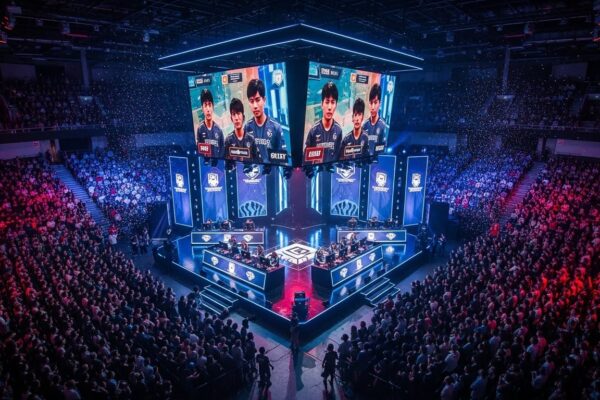
Tournaments like The International (for Dota 2) and the League of Legends World Championship have become some of the largest and most-watched gaming events in the world, with prize pools that rival those of traditional sports events. For instance, The International 2021 boasted a prize pool of over $40 million, an eye-popping sum that continues to demonstrate the immense popularity and financial power of eSports.
Professionalization: The Rise of eSports Athletes
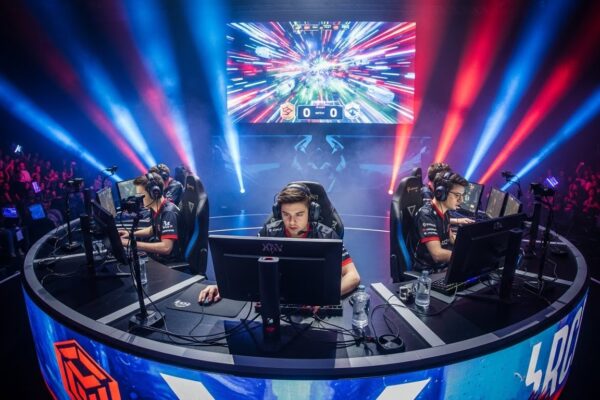
The professionalization of eSports has been one of the most defining aspects of its growth. No longer just a hobby, competitive gaming is now a career for many skilled players who earn a living through tournament winnings, sponsorships, and content creation. The life of an eSports athlete is not dissimilar to that of a professional sports player. These players often train for hours each day, refining their skills and strategies to stay ahead of the competition.
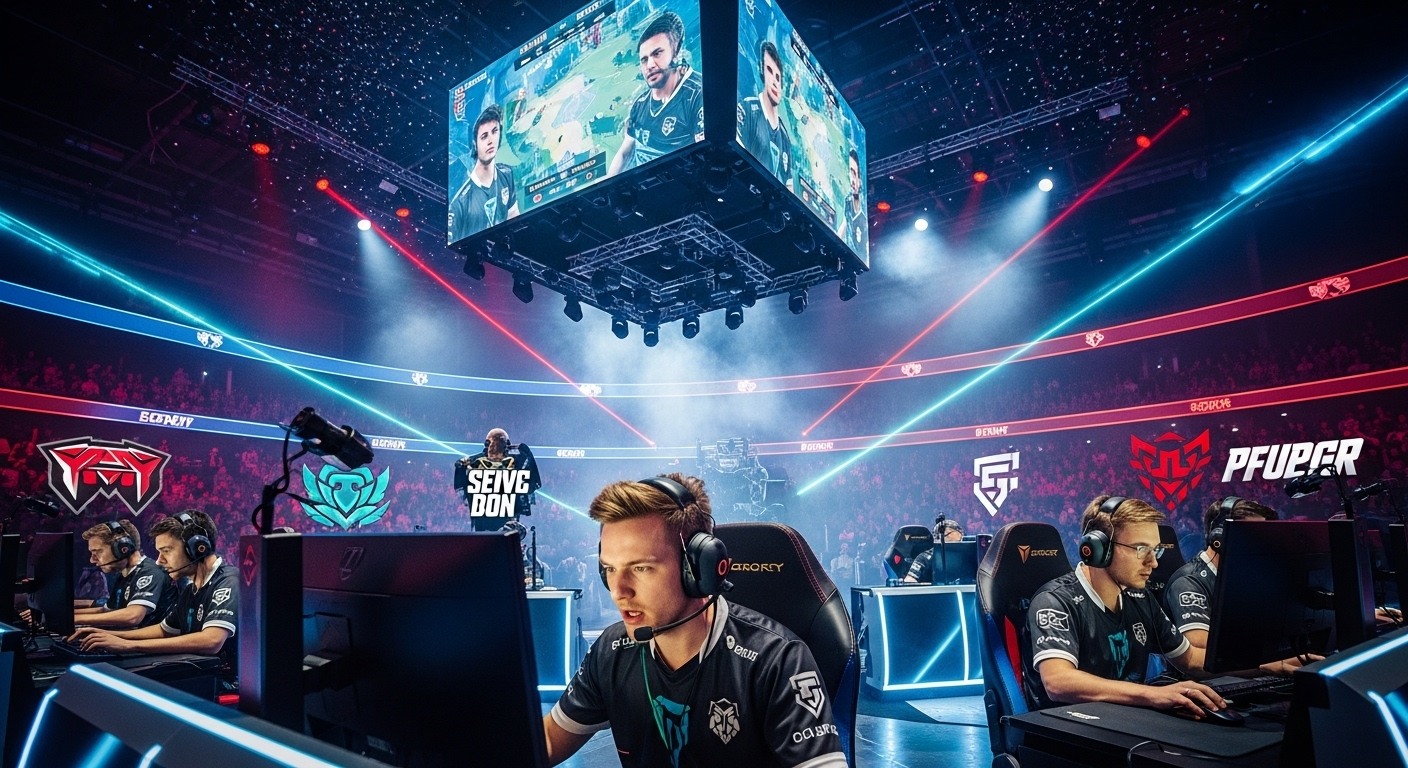
Organizations and teams in eSports have followed the model of traditional sports franchises, with coaching staff, analysts, and support personnel helping players maximize their potential. Teams such as Team Liquid, Cloud9, and Fnatic have become household names, with their players becoming celebrities within the eSports community. These teams sign players to long-term contracts, provide them with the resources to succeed, and help build their brand.
In addition to salaries and prize money, many eSports athletes now supplement their income by streaming their gameplay on platforms like Twitch. This direct connection with their fanbase has allowed players to build personal brands and monetize their content through advertisements, sponsorships, and fan donations. The intersection of professional play and content creation has led to an entirely new form of entertainment, with eSports players enjoying a level of access to their audience that traditional athletes rarely experience.
eSports and Media: A New Era of Broadcast Entertainment
One of the most significant drivers behind the rise of eSports is the development of media platforms that allow fans to watch live competitions from anywhere in the world. Streaming platforms like Twitch have revolutionized how eSports is consumed. With millions of viewers tuning in for tournaments and casual gameplay streams, Twitch has become the go-to destination for eSports fans. The platform offers real-time engagement through live chats and interactive features, allowing viewers to connect with players and fellow fans.
Traditional media outlets have also recognized the growing appeal of eSports. Networks like ESPN, TBS, and Turner Sports have started broadcasting major eSports events, further bringing the phenomenon into the mainstream. Broadcasts of events like the League of Legends World Championship and Overwatch League attract millions of viewers, making eSports a global spectacle comparable to traditional sports.
Media rights deals and sponsorships have become major revenue streams for eSports organizations, with brands like Coca-Cola, Intel, Red Bull, and Audi investing heavily in the scene. These sponsorships are not just for the events themselves, but for individual teams and players as well, helping to fuel the financial growth of the industry. As eSports continues to expand its presence on traditional television and digital platforms, it’s clear that the entertainment landscape is evolving to include this new form of competition.
The Economic Impact of eSports
The economic power of eSports has been staggering. The global eSports industry was valued at over $1 billion in 2021, with projections indicating that this figure will continue to rise in the coming years. Revenue comes from a combination of tournament prize pools, sponsorships, media rights, advertising, ticket sales, and merchandise. The sheer scale of eSports events, combined with the increasing number of companies looking to invest in the space, has created a thriving economy.
One of the largest sources of revenue comes from sponsorships. Major brands in tech, energy drinks, automotive, and even fast food are increasingly recognizing the value of reaching eSports fans, who tend to be younger and highly engaged. Sponsorship deals are not just limited to events; they extend to teams, players, and even content creators. These partnerships help to fund tournaments, build infrastructure, and promote eSports to an even broader audience.
In addition to the major leagues and teams, the eSports ecosystem also includes smaller organizations, event organizers, broadcasters, and technology companies that support the industry. The growth of eSports has created jobs in a wide range of sectors, from game development to event management, broadcasting, and marketing. As eSports continues to grow, it will likely continue to have a significant impact on the global economy.
eSports and Its Cultural Impact
Beyond the financial and competitive aspects, eSports has had a profound cultural impact. It has become a form of entertainment that transcends traditional borders, attracting fans from all corners of the globe. Online communities formed around games, teams, and tournaments allow fans to interact with one another, share content, and celebrate their favorite players. The sense of community is one of the key factors driving the success of eSports.
eSports has also played a role in breaking down barriers in gaming. In the past, competitive gaming was seen as a male-dominated activity, but today, there is a growing number of female gamers and players who have made their mark in the competitive scene. Tournaments like the Women’s Esports League have provided a platform for women to compete professionally, helping to foster inclusivity and diversity in the industry.
Moreover, eSports has helped to legitimize gaming as a respected form of competition. Once viewed as a pastime for kids and teenagers, gaming is now recognized as a serious career and a viable professional pursuit. The success of eSports has contributed to the growing acceptance of gaming in mainstream culture, helping to shift perceptions of gamers from hobbyists to athletes.
The Future of eSports: Endless Possibilities
Looking ahead, the future of eSports is filled with exciting possibilities. As technology continues to evolve, new innovations such as virtual reality (VR) and augmented reality (AR) may revolutionize the way both players and fans experience eSports. VR could provide immersive gameplay experiences, while AR could enhance live event viewing by overlaying real-time data and stats.
Mobile gaming is also poised to become a major part of the eSports ecosystem. Games like PUBG Mobile and Clash Royale have shown that competitive gaming can thrive on mobile platforms, and this trend is expected to grow. With mobile devices becoming more powerful and accessible, the potential for mobile eSports is vast, especially in regions where PC and console gaming are less accessible.