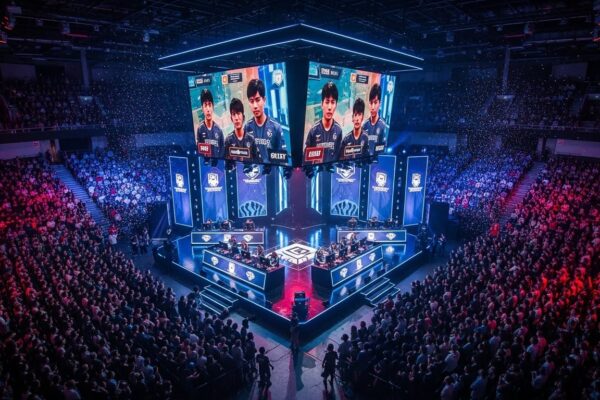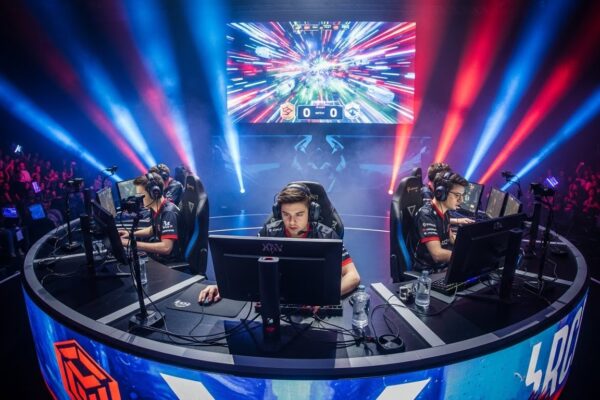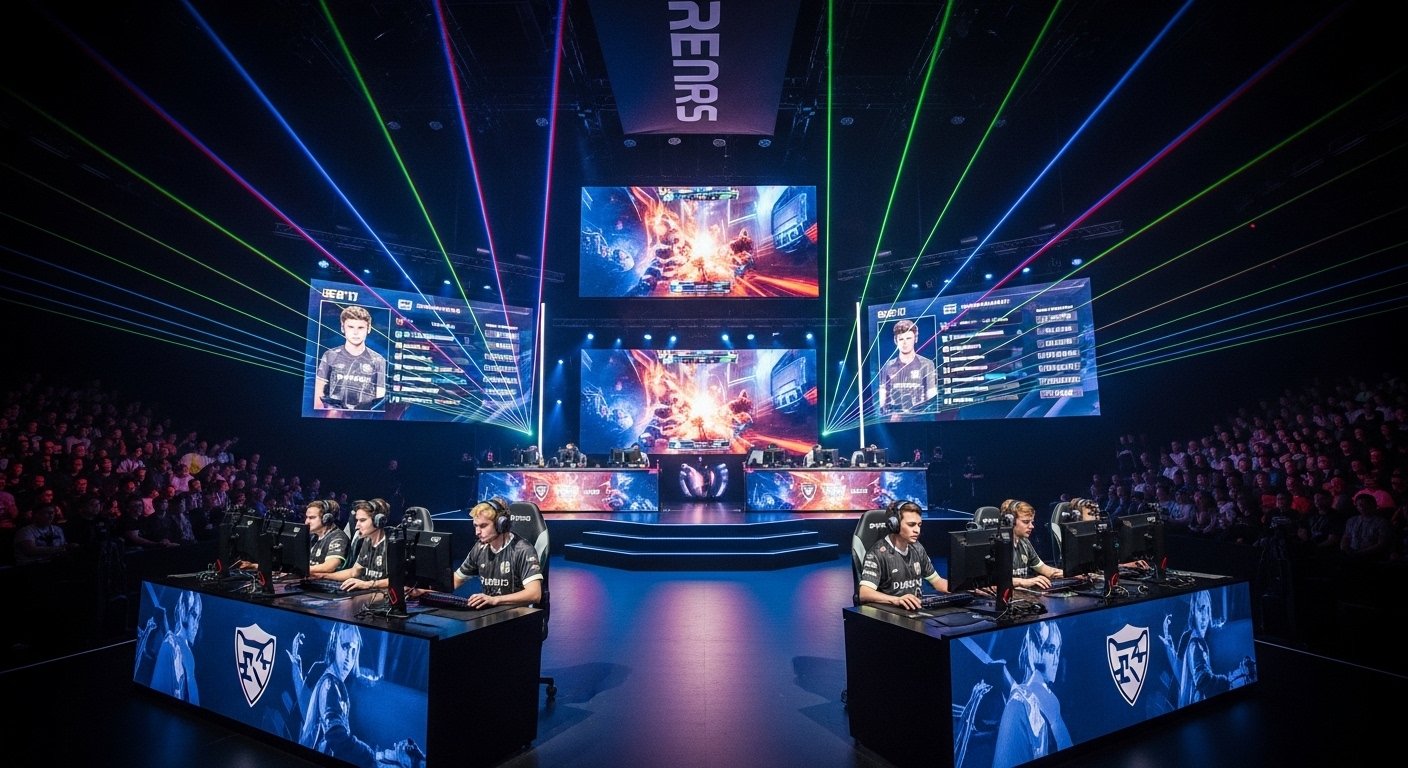
The world of esports has rapidly transformed from a niche activity for hardcore gamers into a booming global phenomenon. With millions of fans, professional leagues, and sponsorships from major global brands, esports has emerged as one of the most influential forms of entertainment in the 21st century. What was once a small subculture has now become a multibillion-dollar industry, rivaling traditional sports in viewership and engagement. In this blog, we will dive into the world of esports, exploring its origins, growth, cultural impact, and its future potential as a mainstream entertainment medium.
What Is Esports?
Esports, short for “electronic sports,” refers to organized, multiplayer video game competitions. These competitions are usually professional events where skilled players or teams face off in games that require both strategy and skill. These events can range from small-scale local tournaments to large international championships. The games played in esports competitions span multiple genres, including real-time strategy games, first-person shooters, multiplayer online battle arenas (MOBAs), and even sports simulation games.
At the heart of esports is the competitive spirit, with players striving for victory, recognition, and substantial cash prizes. Unlike casual gaming, esports is a highly structured environment that often mirrors traditional sports in terms of professional teams, sponsorships, and media coverage. Some of the most popular games in the esports scene include League of Legends, Dota 2, Counter-Strike: Global Offensive, Fortnite, and Overwatch.
The Early Days of Esports
The origins of esports can be traced back to the late 1990s and early 2000s. During this time, the idea of competitive gaming was in its infancy, but it was already beginning to take shape. Games like StarCraft, Quake, and Warcraft were the pioneers, attracting players who wanted to test their skills against others in organized competitions.
In 1997, the Cyberathlete Professional League (CPL) was founded, marking one of the first major attempts to create a professional esports league. CPL’s tournaments featured games like Quake and Unreal Tournament, and while the prize pools were modest by today’s standards, they helped establish the foundation for what would become a global industry.
In South Korea, StarCraft became a cultural phenomenon in the late 1990s and early 2000s, with players becoming national celebrities. The Korean government supported the development of esports as a national pastime, and the creation of professional leagues and television broadcasts helped establish esports as a legitimate career. The rise of gaming cafes, where people could gather and compete, helped build a community around esports that would eventually spread around the world.
Esports Growth and Professionalization
While esports began as a niche hobby, it rapidly gained traction in the mid-2000s. The development of broadband internet allowed players to compete online, and the rise of streaming platforms like Twitch in 2011 enabled fans to watch live tournaments from the comfort of their own homes. The ability to stream gameplay in real time brought esports into the mainstream, attracting a new generation of fans who were eager to watch the action unfold.
By the 2010s, esports had evolved into a fully professionalized industry. Major game publishers, including Riot Games and Blizzard Entertainment, began organizing large-scale tournaments for their flagship titles. For example, League of Legends (LoL), developed by Riot Games, introduced its annual League of Legends World Championship, which quickly became one of the biggest and most prestigious esports events in the world. Similarly, Dota 2, developed by Valve, introduced The International (TI), which boasts one of the largest esports prize pools, often exceeding tens of millions of dollars.
As esports grew in stature, professional teams and players began to emerge. Top esports organizations like Cloud9, Team Liquid, and Fnatic attracted sponsorships from major brands in technology, energy drinks, and apparel. These organizations provided their players with salaries, training facilities, and support staff, including coaches, analysts, and psychologists. This level of investment transformed esports from a hobby into a legitimate career path, with players earning substantial incomes through salaries, tournament winnings, and sponsorship deals.
Esports’ Cultural Impact
The rise of esports has had a profound impact on gaming culture and mainstream entertainment. No longer viewed as a solitary activity or a pastime for a select few, gaming has become a social and competitive experience enjoyed by millions around the world. Esports has helped shape the modern gaming community, where players not only compete but also interact with one another through online forums, social media, and streaming platforms.
Esports has also fostered a new form of fandom. Fans no longer just watch traditional sports like football or basketball; they are now tuning into live streams of League of Legends matches or Fortnite tournaments, cheering for their favorite teams and players. Esports personalities, such as Ninja (Tyler Blevins), Shroud (Michael Grzesiek), and PewDiePie (Felix Kjellberg), have become household names, amassing millions of followers and influencing pop culture.
Esports has also created a new avenue for content creators. Streamers and YouTubers can now build careers by creating gaming content, including gameplay tutorials, commentary, and highlights from live tournaments. Platforms like Twitch and YouTube Gaming have given rise to a new generation of entertainers who have massive influence over gaming culture. Many esports professionals have expanded their brands by streaming on these platforms, allowing fans to engage with them outside of tournament settings.
Furthermore, esports has become an educational tool, with universities and academic institutions offering scholarships for talented esports players. Some schools even have their own esports teams that compete in intercollegiate leagues. This has helped legitimize esports in the eyes of parents, educators, and administrators, who may have previously seen gaming as a distraction rather than a valuable skill.
Esports and Traditional Sports: A Growing Relationship
As esports has grown, it has begun to overlap with the traditional sports world in fascinating ways. In recent years, sports organizations have started to invest in esports teams and events, blurring the lines between the two worlds. In 2016, the National Basketball Association (NBA) launched the NBA 2K League, an esports league based on the popular basketball video game NBA 2K. The NBA 2K League features professional teams that represent NBA franchises and competes in a format similar to traditional sports leagues.
Similarly, football clubs like Manchester City and Paris Saint-Germain have established their own esports teams to compete in games like FIFA and League of Legends. These organizations have recognized the potential of esports as a way to engage with younger audiences who may not be as interested in traditional sports. By investing in esports, they hope to tap into a new fanbase and expand their global reach.
Even major sponsors in traditional sports are now investing in esports. Companies like Coca-Cola, Red Bull, Intel, and BMW sponsor esports events and teams, reflecting the increasing commercial viability of the industry. In fact, many esports tournaments have prize pools that rival those of traditional sports events, such as The International’s multi-million-dollar payout in the Dota 2 community.
The Global Reach of Esports
One of the key factors contributing to the growth of esports is its global appeal. Unlike traditional sports, which are often geographically limited, esports can be enjoyed by anyone with an internet connection. Players from different countries can compete in international tournaments, and fans from around the world can watch live streams of their favorite games. This has allowed esports to cultivate a truly global community, with fans and players from Europe, North America, Asia, and beyond.
The rise of mobile esports has also contributed to this globalization. Games like PUBG Mobile, Clash Royale, and Mobile Legends have become hugely popular in regions like Southeast Asia, where mobile gaming is more accessible than console or PC gaming. This has opened up new markets for esports, with countries like China, South Korea, and India playing a significant role in shaping the industry’s growth.
Esports has also helped to break down cultural barriers. International tournaments, such as the League of Legends World Championship and The International, bring together players from diverse backgrounds, and the language of competition is often universal. Esports provides a platform for people to connect, collaborate, and share their passion for gaming, regardless of where they are from.
The Future of Esports
The future of esports looks incredibly promising. As the industry continues to mature, we can expect to see even larger tournaments, higher prize pools, and more mainstream media coverage. The growth of virtual and augmented reality (VR/AR) gaming could introduce new dimensions to competitive gaming, making esports even more immersive and engaging for both players and fans.
Esports is also likely to continue its integration with education. With more universities offering scholarships and creating dedicated esports programs, the next generation of players, coaches, analysts, and broadcasters will have formal training and support. This will help the industry evolve and produce more skilled professionals.
As technology continues to advance, the way fans consume esports content will also evolve. With platforms like Twitch and YouTube leading the charge, esports fans can expect more interactive and personalized experiences. Live streaming, virtual reality, and 360-degree cameras could provide fans with unprecedented access to the action, making the experience even more dynamic and immersive.
Conclusion
Esports has come a long way since its humble beginnings, evolving into a global industry with millions of fans, professional players, and corporate sponsors. The rise of esports has revolutionized the gaming culture and entertainment landscape, creating new career paths, educational opportunities, and fan experiences. With its continued growth and increasing mainstream appeal, esports is set to become one of the dominant forms of entertainment in the coming years.