In recent years, esports has emerged as one of the fastest-growing entertainment phenomena worldwide. What was once considered a casual hobby for gaming enthusiasts has transformed into a professional, highly competitive industry with global recognition. Esports, short for electronic sports, encompasses competitive video gaming across multiple genres, from strategy-based games to action-packed shooters. This blog delves into the rise of esports, its impact on society, the skills required to succeed, and why it is shaping the future of competition.
Understanding Esports
Esports refers to organized, competitive gaming where players or teams compete in video games at a professional level. Unlike casual gaming, esports involves structured tournaments, training regimens, rankings, and often large-scale events with significant prizes. Popular esports games include League of Legends, Dota 2, Counter-Strike: Global Offensive, Fortnite, and Valorant. Each game requires a unique combination of strategy, reflexes, teamwork, and communication.
Competitive gaming has blurred the line between digital entertainment and professional sports. Esports players are recognized as athletes in their own right, demonstrating exceptional skill, dedication, and discipline. The growth of esports has also created a thriving ecosystem involving coaches, analysts, content creators, and event organizers.
The Explosion of the Esports Industry
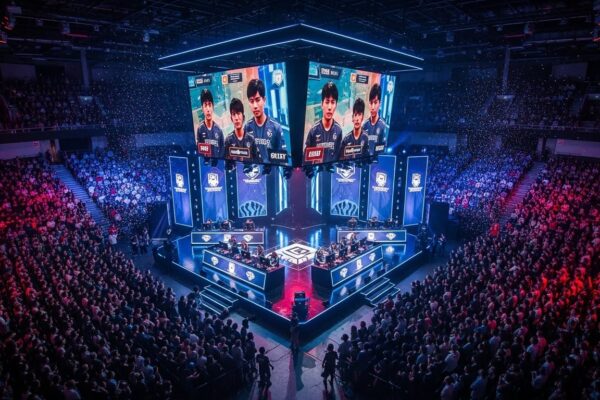
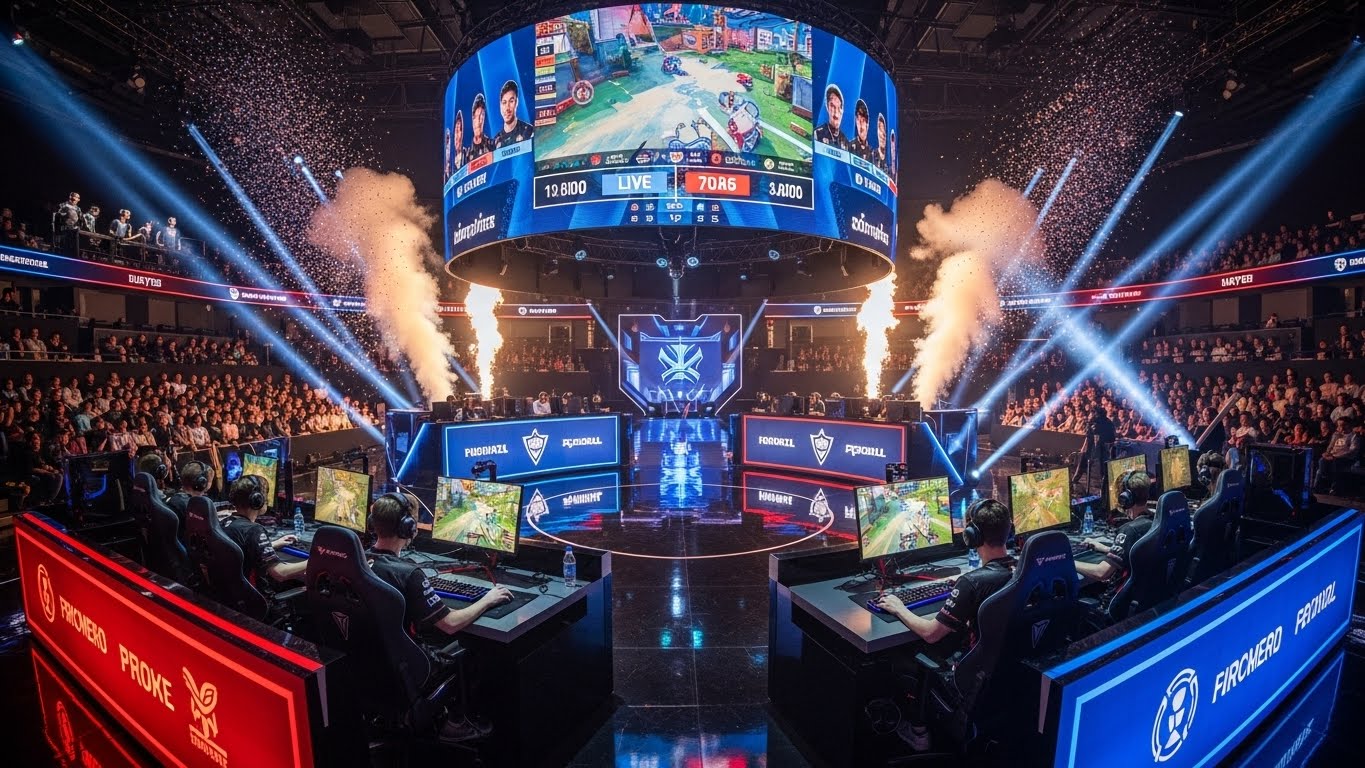
The esports industry has seen explosive growth over the past decade. What started as small gatherings of players has evolved into stadium-filling tournaments and global championships. Esports events now attract millions of viewers, both online and in person, rivaling traditional sports in popularity. Sponsorships, streaming platforms, and advertising deals have fueled this growth, turning esports into a multi-billion-dollar industry.
Streaming platforms have revolutionized how audiences engage with esports. Players can broadcast their gameplay live to millions of viewers, creating a community around their content. Fans are not only spectators but active participants, sharing insights, strategies, and opinions in real-time. This interactive experience sets esports apart from traditional sports and contributes to its rapid expansion.
Skills and Dedication Required for Success
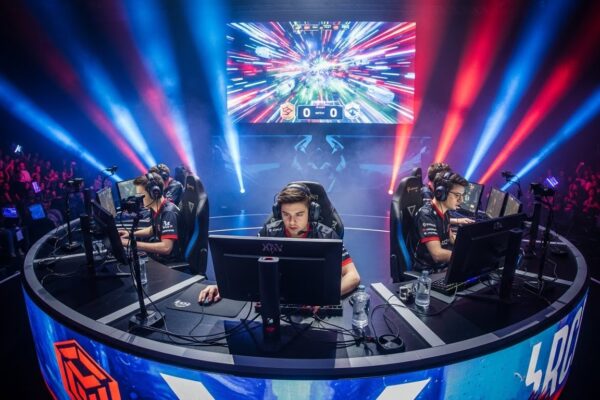
Excelling in esports requires more than casual gaming experience. Professional players spend hours each day refining their skills, studying opponents, and developing strategies. Reflexes, hand-eye coordination, multitasking, and precise execution are crucial.
Team-based games demand strong communication and collaboration. Players must coordinate tactics, make split-second decisions, and maintain composure under pressure. Individual games, on the other hand, emphasize self-discipline, focus, and adaptability. Many esports organizations now employ coaches, analysts, and mental health professionals to help players perform at their peak while managing stress and maintaining well-being.
Physical and Mental Health Considerations
Contrary to common perception, esports is not purely a mental endeavor. Maintaining physical health is vital for professional players, as long hours of practice can lead to repetitive strain injuries and posture-related issues. Fitness routines, proper ergonomics, and adequate rest are essential to sustain high-level performance.
Mental health is equally important. Esports players often face intense pressure to win, public scrutiny, and a highly competitive environment. Stress, burnout, and anxiety are common challenges. Organizations increasingly focus on mental health support, including counseling, mindfulness practices, and balanced schedules, to ensure players can thrive both personally and professionally.
The Role of Technology in Esports
Technology drives every aspect of esports. High-performance computers, gaming peripherals, and fast internet connections are fundamental for competitive play. Streaming software and platforms allow players to connect with audiences worldwide, while advanced analytics help teams optimize strategies and monitor performance.
Emerging technologies, including virtual reality, augmented reality, and artificial intelligence, are poised to redefine esports. These innovations will create new game experiences, enhance training methods, and increase viewer engagement. Technology not only enables esports but also continually evolves its possibilities, making it a dynamic and forward-looking industry.
Esports as a Career Path
Esports has opened new career opportunities beyond professional play. Players can earn salaries, tournament winnings, and sponsorship deals, while others find careers as coaches, commentators, analysts, content creators, and event organizers. The industry also offers roles in marketing, media production, and game development.
Universities and educational institutions are recognizing esports as a legitimate field, offering scholarships, esports programs, and research opportunities. This academic recognition reinforces esports’ credibility and provides aspiring professionals with structured pathways to pursue their passion.
Community and Cultural Impact
The esports community is a defining feature of the industry. Unlike traditional sports, where fans are often tied to a city or region, esports communities are global. Fans interact through forums, social media, and streaming platforms, sharing insights, celebrating achievements, and supporting players.
Esports also has a significant cultural influence. Professional players become influencers, shaping fashion, entertainment, and online trends. Games inspire fan art, cosplay, and creative content, fostering a vibrant cultural ecosystem. Moreover, esports events promote cross-cultural interaction, bringing together players and audiences from diverse backgrounds and creating a shared sense of global community.
Educational Potential of Esports
Esports offers educational value beyond entertainment. Schools and universities have incorporated esports programs to teach strategy, teamwork, digital literacy, and leadership skills. These programs engage students who may not participate in traditional sports, providing opportunities for personal growth and skill development.
Esports also encourages interest in technology, coding, and game design. Understanding game mechanics, analyzing data, and optimizing performance can lead students to careers in computer science, engineering, and digital innovation. By merging gaming with learning, esports demonstrates its potential as an educational tool.
Challenges Facing the Esports Industry
Despite its rapid growth, esports faces several challenges. Online harassment, cheating, and toxic behavior remain prevalent in gaming communities. Ensuring fair play, sportsmanship, and a safe environment is critical for maintaining the industry’s integrity.
Inclusivity is another challenge. Women and marginalized groups are underrepresented in professional esports. Promoting diversity, creating equal opportunities, and addressing systemic barriers are essential for the industry’s sustainable growth. Additionally, the physical and mental demands of professional gaming require careful management to prevent burnout and maintain long-term careers.
Economic Significance of Esports
Esports has a profound economic impact. Global tournaments generate revenue through ticket sales, sponsorships, merchandise, and media rights. Esports events boost local economies, attracting visitors, increasing tourism, and creating jobs.
The business ecosystem around esports includes game developers, marketing agencies, media networks, and content creators. Investments from technology companies and traditional sports organizations continue to expand opportunities, making esports a vital part of the global entertainment economy.
The Future of Esports
The future of esports is promising and expansive. Innovations in virtual reality, cloud gaming, and artificial intelligence will continue to transform the player and viewer experience. Esports is likely to become more immersive, interactive, and inclusive, reaching wider audiences and bridging gaps between cultures.
Collaboration with traditional sports organizations, media partnerships, and global tournaments will further elevate esports’ profile. The potential for technological integration, cultural exchange, and career opportunities positions esports as a defining force in the digital age of entertainment.
Conclusion
Esports has evolved from a niche hobby into a global cultural and professional phenomenon. It combines skill, strategy, and technology in ways that rival traditional sports while creating unique opportunities for engagement, education, and community building.
From professional players to global fans, esports offers a platform where talent, innovation, and dedication converge. As the industry continues to grow, it represents more than just competitive gaming—it embodies the future of entertainment, learning, and digital culture. The rise of esports is not merely a trend; it is a transformation in how society experiences competition, collaboration, and global connection.