Esports, short for electronic sports, is not just a trend — it’s a full-fledged cultural and competitive revolution. What started as a pastime for a niche community has transformed into a billion-dollar industry with global recognition. Whether you’re a hardcore gamer, an occasional viewer, or someone new to the world of competitive gaming, it’s impossible to ignore the rise of esports. In this post, we’ll explore what esports is, how it has grown, and why it’s here to stay.
What Is Esports?
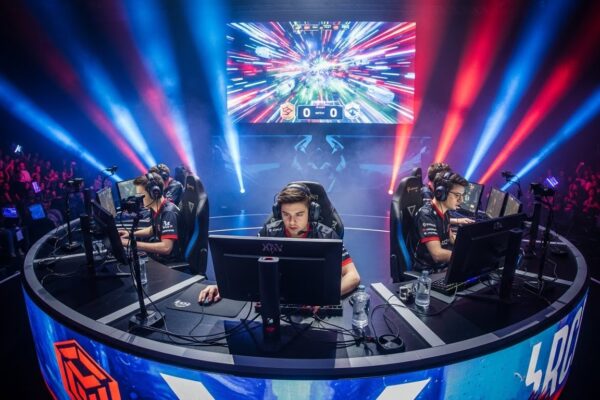
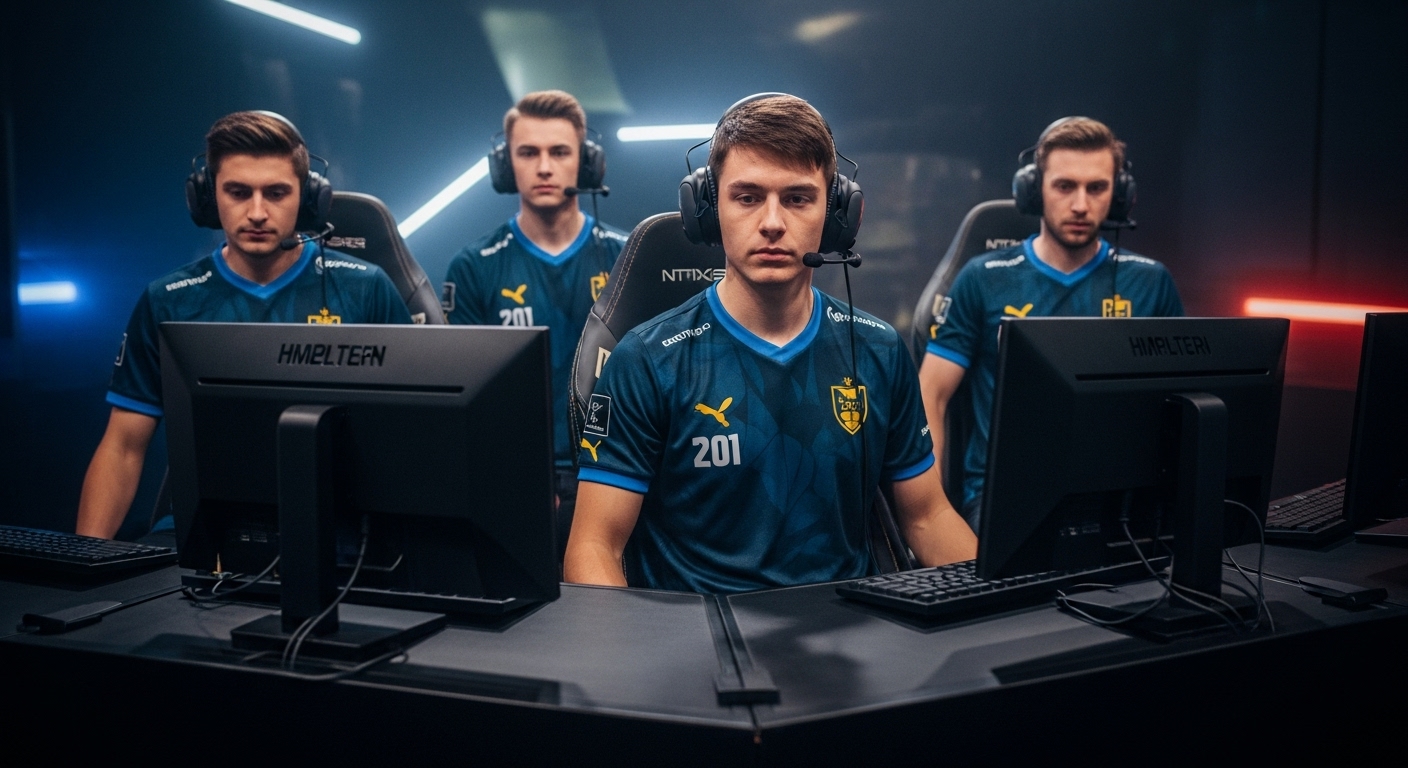
At its core, esports refers to organized, multiplayer video game competitions. Unlike casual gaming, esports involves highly skilled players or teams who participate in tournaments with structured rules, often aiming for large cash prizes and prestigious titles. Esports spans a wide variety of games, from first-person shooters like Call of Duty and Counter-Strike to real-time strategy games like StarCraft and League of Legends. Professional players train extensively, much like athletes in traditional sports, practicing strategy, teamwork, and in-game mechanics to hone their skills.
The Evolution of Esports: A Global Transformation
In the early days, esports was largely limited to local LAN parties and small-scale tournaments. But over the years, esports grew, fueled by the internet and streaming platforms. The introduction of platforms like Twitch and YouTube made it possible for fans to watch their favorite players and teams in real time, while tournaments like The International (Dota 2) and League of Legends World Championships began drawing in millions of viewers worldwide.
As esports grew in visibility, so did its audience. What was once seen as a hobby for gamers quickly became a global spectacle, attracting mainstream media attention and sponsorships from huge brands across various industries. Today, esports is a legitimate form of entertainment that rivals traditional sports in terms of viewership and revenue.
Esports Tournaments: The Heartbeat of Competitive Gaming
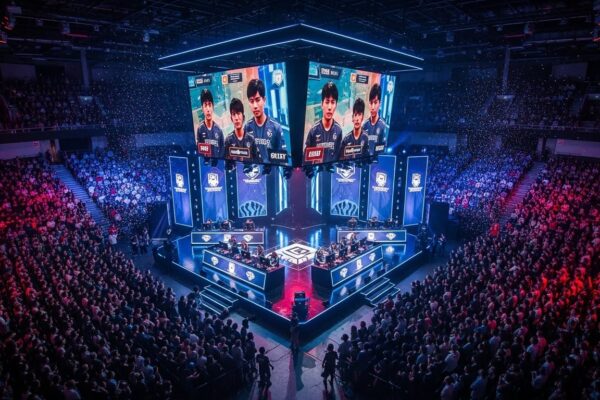
Esports tournaments are the heart of competitive gaming. These large-scale events draw thousands of spectators, both physically at the arena and virtually via live streams. Major tournaments like the League of Legends World Championship, The International (Dota 2), and Fortnite World Cup offer prize pools that often exceed millions of dollars.
What sets these tournaments apart is their scale and the level of competition. The best players from around the world compete for glory and cash prizes, often putting on incredible performances. These events aren’t just about gaming; they’re about showcasing talent, strategy, and teamwork. Fans gather to cheer on their favorite teams, creating a vibrant and energetic atmosphere that makes esports feel as exciting as any other professional sport.
The Business Side of Esports: A Multimillion-Dollar Industry
Esports isn’t just about playing games — it’s also big business. The economic impact of esports is staggering. From sponsorships and advertising revenue to merchandise and ticket sales, esports generates billions of dollars annually. Major companies, including Red Bull, Intel, Coca-Cola, and Nike, are investing heavily in esports, seeing it as a powerful way to reach younger, tech-savvy audiences.
The business model also extends to streaming platforms, where millions of fans tune in to watch live competitions. Streamers themselves have become celebrities, building large followings and securing brand partnerships. With an ever-expanding viewership and the popularity of online streaming, esports continues to capture the attention of advertisers and investors looking to tap into this dynamic market.
Esports and Its Cultural Impact
One of the most fascinating aspects of esports is its cultural impact. Esports has grown beyond just games and tournaments — it has become a lifestyle for many fans. Streaming platforms like Twitch have allowed players to build strong connections with their audiences, creating a sense of community that transcends geographical boundaries. Fans interact with their favorite players, share strategies, and celebrate victories together, all while discussing gaming culture in a way that fosters inclusion and collaboration.
Moreover, esports is influencing broader aspects of pop culture, from fashion to music. Gaming-related merchandise, esports team jerseys, and collaborations with clothing brands have become trendy. Many musicians and celebrities have shown interest in the esports scene, either through collaborations or by promoting esports-related events, further cementing its place in mainstream culture.
Challenges Facing the Esports Industry
Despite its massive success, esports still faces several challenges. One of the biggest concerns is the health and well-being of players. Professional gamers often train for long hours, which can lead to physical strain, mental burnout, and issues related to isolation. As the industry matures, there is a growing emphasis on ensuring that players have proper support systems in place, including mental health resources, physical fitness programs, and career guidance.
Another challenge is the issue of regulation. While traditional sports have governing bodies to ensure fairness and consistency, esports lacks a unified regulatory framework. This can sometimes lead to disputes over rules, cheating, or unfair practices. As esports continues to grow, the need for standardized regulations and governance structures will become more pressing.
The Future of Esports: Boundless Opportunities
The future of esports is incredibly bright, with several trends shaping its evolution. One major factor is the increasing integration of technology. Virtual reality (VR) and augmented reality (AR) are already beginning to make their mark on gaming, and in the near future, these technologies could revolutionize the way esports are played and experienced. VR and AR could provide fans with more immersive viewing experiences, making them feel like they’re right there in the action.
Additionally, esports is gaining traction in the educational space, with universities and colleges offering scholarships and even creating varsity esports teams. This development has helped elevate the status of esports as a legitimate and respected career path for gamers. In the coming years, we can expect even more institutional support for esports, solidifying its place in the mainstream as both a form of entertainment and a career option.
Conclusion: Esports Is Here to Stay
Esports has come a long way from its humble beginnings. It’s not just a hobby anymore; it’s a global sport that combines skill, strategy, entertainment, and community. As technology continues to evolve and the industry matures, the future of esports looks incredibly promising. With a massive fan base, growing business opportunities, and increasing cultural significance, esports is more than just a passing trend — it’s a permanent fixture in the world of entertainment.
Esports is here to stay, and it’s only going to get bigger from here.