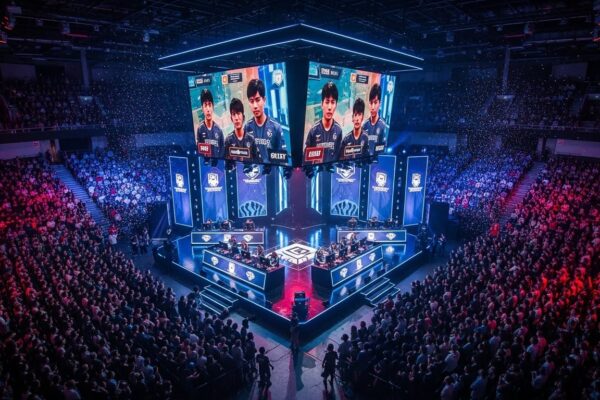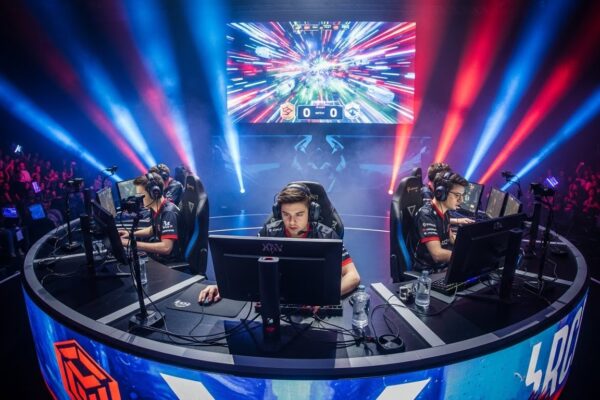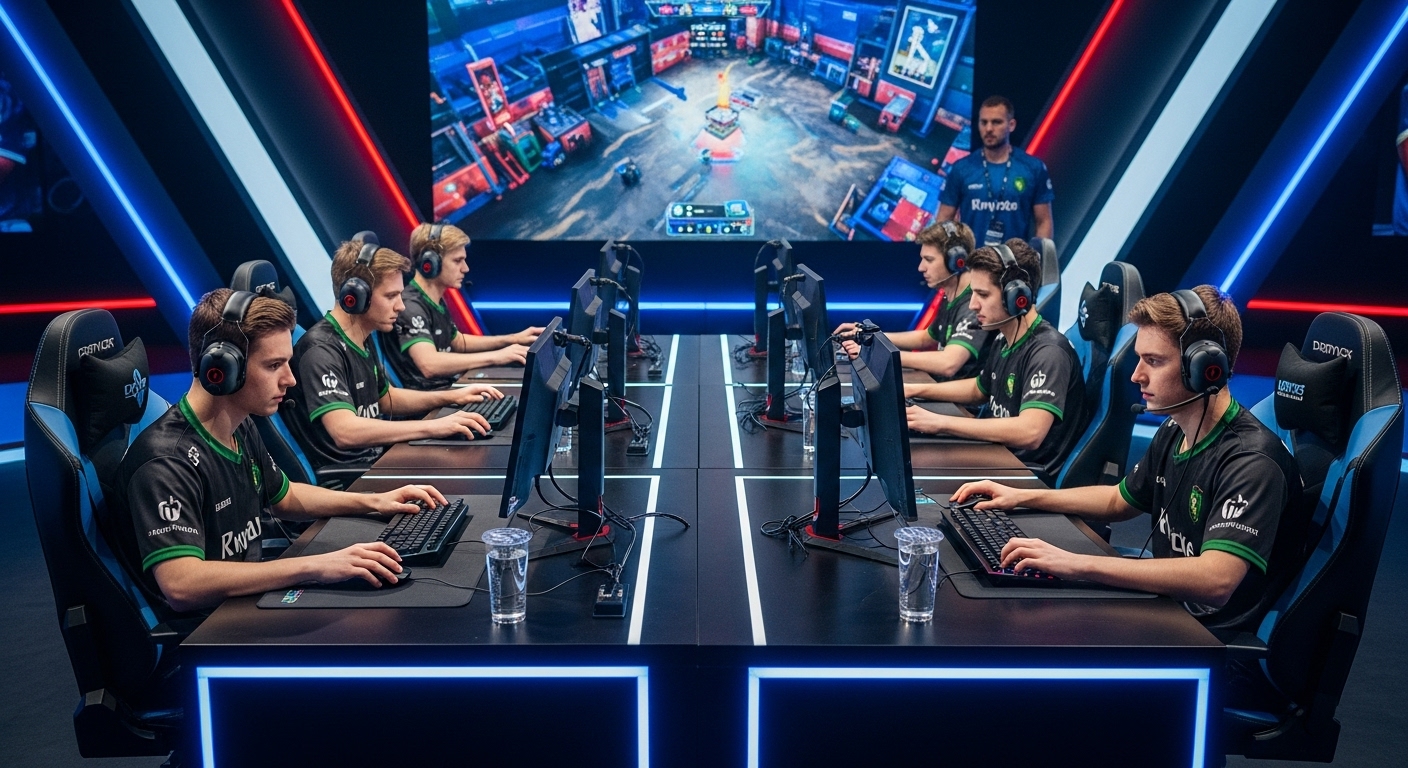
Esports has rapidly evolved from a niche hobby to a global phenomenon, captivating millions of fans, players, and investors alike. Once seen as a fringe activity, competitive gaming has now become a mainstream form of entertainment with a massive ecosystem encompassing professional leagues, global tournaments, streaming platforms, and even college scholarships. From humble beginnings to the sprawling industry we see today, esports has reshaped the world of sports and entertainment in ways that few could have predicted.
In this blog post, we will explore the rise of esports, its significance in modern culture, the factors that have contributed to its growth, and what the future holds for this exciting industry.
The Origins of Esports: From Arcade Games to Competitive Tournaments
The roots of esports can be traced back to the early days of video gaming. In the late 1970s and early 1980s, arcade games such as Space Invaders and Pong became cultural staples. Though these games were far from the sophisticated, fast-paced shooters and strategy games of today, they set the stage for a growing interest in digital competition. It wasn’t long before players started gathering at arcades to compete against one another for high scores.
The real emergence of competitive gaming as we know it today began in the 1990s. As home computers became more affordable, players started to engage in multiplayer games that allowed them to compete with others over local networks and the nascent internet. One of the most notable early examples was Quake, a first-person shooter (FPS) released in 1996. Quake’s multiplayer mode quickly became the foundation for some of the first formal esports tournaments.
In the late 1990s and early 2000s, the idea of organized competitions became more prominent with games like StarCraft (1998) and Warcraft III (2002), which helped establish a competitive gaming scene, particularly in South Korea. The popularity of games like StarCraft and Counter-Strike fueled the growth of online multiplayer tournaments, culminating in the creation of global esports leagues and events.
The Mainstream Emergence: From Niche to Global Phenomenon
While esports existed in the underground gaming world for decades, it was not until the 2010s that it truly began to make a mark in mainstream entertainment. Several factors contributed to esports’ growth during this period, most notably the rise of streaming platforms and the increasing accessibility of high-speed internet.
The Power of Streaming
The launch of Twitch in 2011 was a pivotal moment in the history of esports. Twitch allowed gamers to stream their gameplay live, interact with audiences, and build dedicated fan bases. It was a game-changer for the esports community, as it not only provided a platform for competitive gamers to showcase their skills but also allowed viewers to watch live tournaments and events from the comfort of their own homes.
The success of Twitch was quickly followed by the rise of other streaming platforms, such as YouTube Gaming and Facebook Gaming, further fueling the accessibility and popularity of esports. Watching a live broadcast of your favorite professional gamer or esports team became as mainstream as watching traditional sports on TV. For many, esports became a daily ritual, as fans followed competitions, interacted with their favorite streamers, and became part of a growing global community.
The Rise of Esports Leagues and Tournaments
In parallel with the explosion of streaming, the establishment of major esports leagues and tournaments helped propel the industry into the spotlight. Games like League of Legends, Dota 2, Overwatch, and Fortnite became staples of the competitive gaming scene, with each title boasting its own professional league, global championship, and millions of dollars in prize money.
One of the most famous esports events is the League of Legends World Championship, which has been held annually since 2011. The championship features the best teams from around the world competing for a multi-million dollar prize pool. The 2018 championship final, held in Incheon, South Korea, attracted over 200 million viewers, making it one of the most-watched esports events in history.
In addition to these major tournaments, esports organizations such as Team Liquid, Cloud9, and Fnatic became household names, signing professional players, sponsoring events, and helping to build the global esports infrastructure.
The Intersection of Esports and Traditional Sports
As esports continued to grow, it began to attract the attention of traditional sports organizations, sponsors, and media outlets. The similarities between traditional sports and esports—such as team dynamics, strategy, and skill—made the crossover between the two industries seamless. Major traditional sports organizations such as NBA, NFL, and MLB began to invest in esports, either by sponsoring events, owning esports teams, or creating their own esports leagues.
The NBA 2K League, launched in 2018, is a prime example of how traditional sports are embracing the esports phenomenon. The league allows players to compete in the popular basketball video game NBA 2K, mirroring the structure and excitement of real-life basketball games.
Moreover, many traditional sports broadcasters, including ESPN, Fox Sports, and NBC Sports, began broadcasting esports events, offering viewers a chance to watch esports alongside traditional sporting events. This shift has further integrated esports into the broader entertainment landscape and solidified its status as a legitimate form of competition.
Esports and the Growing Role of Sponsorships
One of the driving forces behind the growth of esports has been the influx of sponsorships and investments from both endemic and non-endemic brands. Endemic brands are those directly tied to gaming, such as hardware manufacturers, peripheral companies, and game publishers. Non-endemic brands, on the other hand, are companies that do not have a direct connection to gaming, such as automobile manufacturers, beverage companies, and clothing brands.
Esports sponsorships can be highly lucrative for both brands and esports organizations. Global brands like Coca-Cola, Red Bull, Mercedes-Benz, and Intel have all invested heavily in esports, sponsoring teams, tournaments, and events. These sponsorships not only help fund the esports ecosystem but also help expose gaming culture to a wider audience.
Additionally, major esports events are now regularly covered by mainstream media outlets, with millions of viewers tuning in to watch live competitions. The integration of esports into mainstream media has made the industry more attractive to investors, leading to multi-million-dollar deals and partnerships.
The Global Appeal of Esports: A Worldwide Movement
Esports is not limited to just one country or region; it has become a global movement that transcends borders and cultures. While esports originally gained immense popularity in South Korea and the United States, the industry has spread to countries around the world, from China to Europe, Brazil, and beyond.
One of the most significant global esports markets is China. The country is home to some of the largest esports tournaments, and Chinese teams have consistently dominated games like League of Legends and Dota 2. The Chinese government has also recognized esports as an official sport, which has helped to further formalize the industry and attract additional investment.
Similarly, Europe and North America have established themselves as major hubs for esports, with organizations and events continuing to grow year after year. In particular, countries like Germany, Sweden, and the United Kingdom have produced some of the most successful esports teams and players, while the United States remains a dominant force in organizing tournaments and attracting sponsorships.
Esports is also rapidly growing in regions like Southeast Asia, Latin America, and the Middle East, with dedicated fanbases and professional players emerging from these areas. The global reach of esports is one of the key factors behind its rapid expansion and continued success.
The Future of Esports: What Lies Ahead?
As esports continues to evolve, the future looks incredibly promising. Here are some of the key trends that are shaping the future of competitive gaming:
Increased Integration with Virtual Reality (VR) and Augmented Reality (AR)
With the development of new technologies like virtual reality (VR) and augmented reality (AR), the future of esports could look very different from what we know today. VR and AR have the potential to create more immersive and engaging experiences for both players and fans, offering a whole new level of interaction with the gaming environment.
Esports as a Career Path
Esports is increasingly becoming a viable career path for young players, streamers, and content creators. Professional gamers can earn a living through tournament winnings, sponsorships, and streaming revenue. As the industry continues to grow, more opportunities will be created for people to pursue careers in esports, whether in gaming, event management, or broadcasting.
Esports in Education
Colleges and universities around the world are beginning to offer esports scholarships and build esports programs. This trend is expected to continue as more institutions recognize the value of competitive gaming and the skills associated with it, such as teamwork, communication, and problem-solving.
Conclusion
Esports has undoubtedly changed the landscape of entertainment and competition. What started as a niche activity has blossomed into a global industry worth billions of dollars, with millions of fans, players, and professionals engaging in this exciting world. As technology continues to advance and new opportunities emerge, the future of esports is brighter than ever. The intersection of gaming, entertainment, and sports has created a cultural shift, and esports will undoubtedly continue to play a significant role in shaping how we experience competition and digital entertainment in the years to come.