Introduction: A New Era of Competitive Entertainment
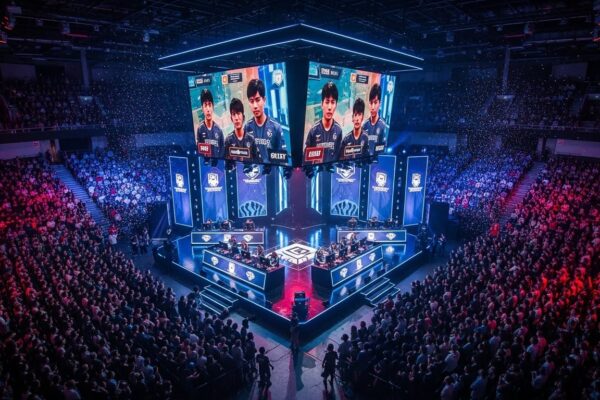
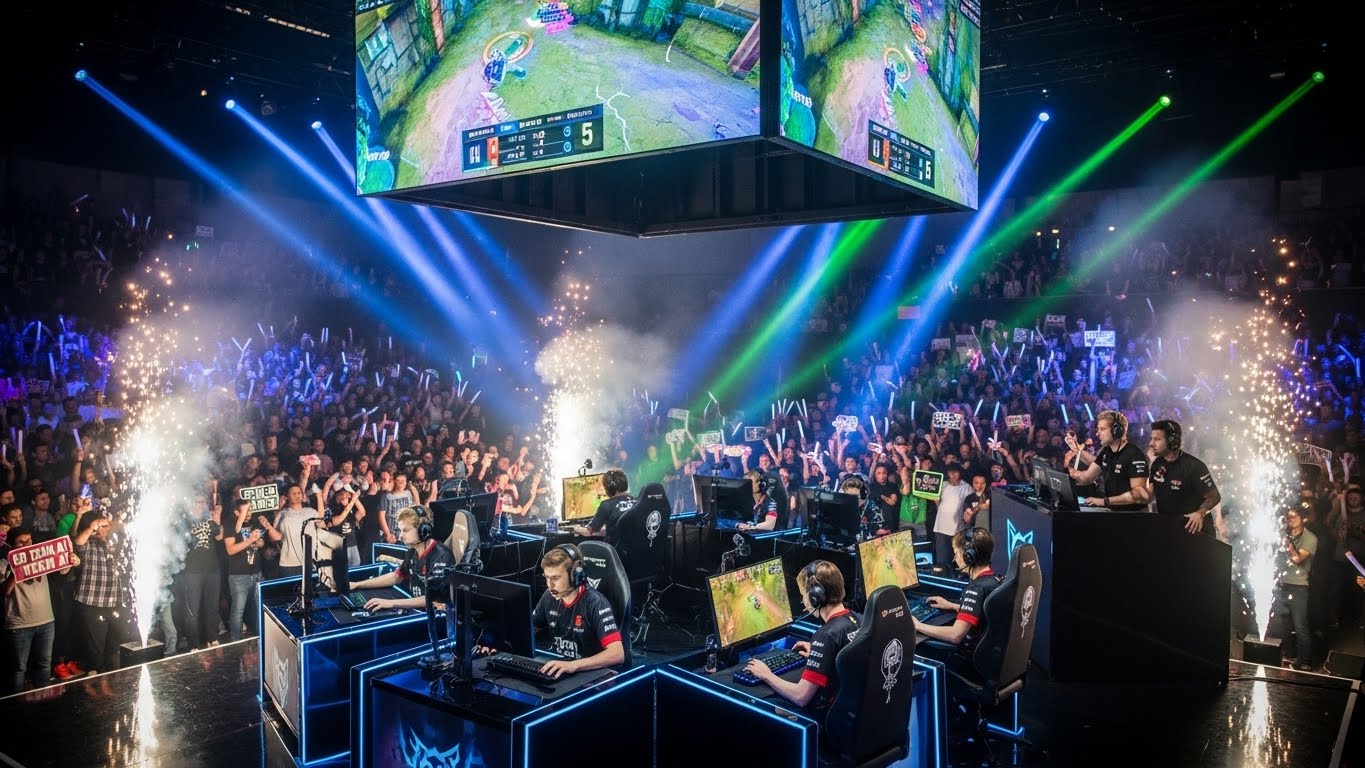
Over the last decade, esports has transformed from a niche hobby into a global phenomenon. What began as small gatherings of gaming enthusiasts has evolved into massive competitions filling stadiums, offering multimillion-dollar prize pools, and attracting audiences that rival traditional sports. Today, esports is not just about playing games; it represents a cultural movement, a technological revolution, and a new form of entertainment that continues to reshape the world. This blog explores how esports rose to prominence, why it captivates millions, and what the future holds for this fast-growing digital battleground.
The Evolution of Esports: From Arcade Cabinets to Global Stages
The roots of esports stretch back to the early days of video gaming when gamers would compete for high scores on arcade machines. Yet the concept of organized competitive gaming truly took shape during the late 1990s and early 2000s. With the rise of home computers and accessible internet connections, players could finally test their skills against opponents worldwide.
Games like StarCraft, Counter-Strike, and Warcraft III established early esports communities centered on strategy, teamwork, and mechanical skill. As technology advanced, tournaments became more organized, drawing sponsorships, media attention, and passionate fan bases. By the mid-2010s, esports had grown into a global commercial force, supported by multinational brands and watched by millions.
Why Esports Captivates Millions of Fans
Esports thrives not only because of its competitive nature but also because it taps into several unique aspects of modern entertainment. For one, the accessibility of video games allows players and fans to deeply connect with the competitions they watch. Unlike traditional sports, where only a select few can physically participate, almost anyone with a computer or console can play the same games that professionals compete in.
The rapid pace of digital content also suits the esports audience. Matches are streamed instantly, personalities engage with fans directly, and highlights spread quickly across platforms. This constant flow of content turns esports into a living, breathing experience that keeps fans engaged year-round.
Another reason for its widespread appeal is the variety of genres. Whether someone enjoys strategic thinking, fast-paced action, teamwork-focused gameplay, or individual duels, esports offers something for everyone. This diversity ensures that audiences from different backgrounds can find something to enjoy.
The Role of Streaming Platforms in Esports Growth
One of the most significant catalysts in the rise of esports has been the growth of streaming platforms. These platforms democratized game watching, allowing fans to tune in from anywhere in the world. For the first time, esports events were not limited to physical attendance or specialized television broadcasts.
Fans could interact with streamers, analyze gameplay, and follow the journeys of their favorite professional players. This direct connection between players and fans created a unique ecosystem where personality mattered as much as performance. Many professional gamers became celebrities, building communities that extended beyond competitive matches.
Streaming also allowed amateur players to gain visibility, creating a pathway for new talent. In traditional sports, scouting can be expensive and limited, but in esports, anyone performing well online has the potential to be discovered.
Professional Esports Athletes: Training, Discipline, and Dedication
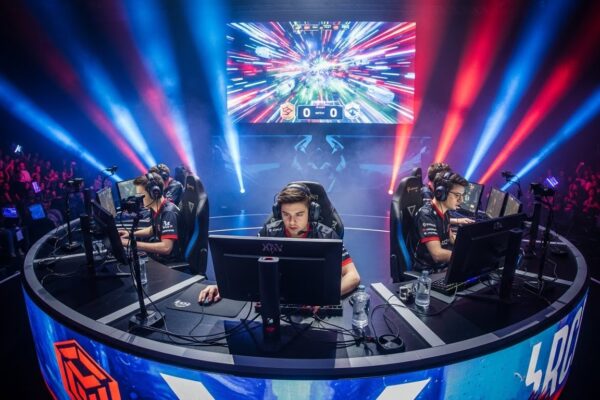
Contrary to the outdated stereotype that gamers are simply hobbyists, professional esports athletes demonstrate remarkable discipline and dedication. Their daily routines often resemble that of traditional athletes, involving rigorous training schedules, strategic analysis, physical exercise, and mental conditioning.
Esports professionals practice for hours each day to hone their reflexes, communication skills, and in-game decision-making. Many live in team houses or training facilities where coaches, analysts, and nutritionists help maximize performance. The commitment required to succeed at the highest level is immense, and only a small percentage of players reach the professional tier.
While the physical demands differ from traditional sports, the mental complexity is equally challenging. Split-second decisions, team coordination, and the ability to remain calm under pressure are vital traits that separate elite players from amateurs.
The Business of Esports: Sponsorships, Teams, and Global Investment
Esports has evolved into a multi-billion-dollar industry supported by sponsorships, advertising, media rights, merchandise, and event ticket sales. Major companies invest heavily in tournaments, teams, and gaming organizations due to the growing, highly engaged fan base.
Professional teams operate like traditional sports clubs, complete with training facilities, coaching staff, marketing departments, and long-term strategies. Some organizations even manage multiple teams across different games, creating diversified esports portfolios.
The increasing involvement of global brands has helped legitimize esports in the mainstream. Partnerships with technology companies, energy drink brands, apparel companies, and automotive manufacturers demonstrate the broad appeal of the esports audience. This influx of investment has improved the quality of production, increased prize pools, and elevated the professionalism of the entire industry.
Esports in Education: Scholarships and Career Opportunities
One of the most surprising developments in esports is its integration into educational institutions. Many universities now offer esports scholarships, treating gaming talent similarly to traditional athletic ability. These scholarships provide opportunities for students to pursue competitive gaming while earning their degrees.
Schools also develop esports programs to teach skills such as game design, broadcast production, marketing, and event management. For many students, esports becomes a gateway into broader careers within the gaming industry, which includes roles like coaching, analysis, development, and esports journalism.
This educational shift shows that esports is no longer just entertainment—it’s a career path with diverse professional opportunities.
The Community Behind the Games: Fans, Creators, and Culture
Esports would not be what it is today without its passionate community. Fans actively participate by supporting teams, creating fan art, analyzing matches, and even organizing grassroots tournaments. This level of engagement is part of what makes esports so unique.
The gaming community thrives on creativity and inclusivity. People from different countries, cultures, and age groups come together to share their passion for competitive gaming. This global unity helps strengthen the identity of esports, turning it into a cultural movement rather than just a pastime.
Creators, influencers, and streamers also play a major role in shaping the esports landscape. Through tutorials, commentary, and entertainment-focused content, they help bring new players into the competitive world. Their contributions often serve as an accessible entry point for those curious about esports.
Technological Innovations Fueling the Esports Boom
Esports would not exist without advancements in technology, and its future is closely tied to innovation. High-performance gaming PCs, fast internet connections, and advanced software platforms have made competitive gaming more fair, accessible, and exciting.
In addition, virtual reality, augmented reality, and cloud gaming are set to push esports into new frontiers. These technologies may introduce entirely new forms of competition, making the digital arena even more immersive. As internet speeds and gaming hardware continue to improve worldwide, more people will be able to participate in esports, ensuring continued growth.
Challenges Facing the Esports Industry
Despite its success, esports faces several challenges that must be addressed. One of the major issues is player burnout. The demanding training schedules and constant pressure can take a toll on physical and mental health. Organizations are increasingly focusing on wellness programs to support their players, but more progress is needed.
Another concern is the stability of certain esports ecosystems. Games can rise and fall in popularity, and tournaments may change formats or lose funding. Professional players and organizations must constantly adapt to shifting landscapes.
Regulation is also an evolving area. As the industry grows, there is a need for standardized rules, ethical guidelines, and better oversight to ensure fairness and transparency. Addressing these challenges will be crucial in maintaining esports’ long-term sustainability.
The Future of Esports: A Global Digital Frontier
The future of esports is bright, with projections showing continued growth in viewership, investment, and technological innovation. Esports may soon become as mainstream as traditional sports, with more leagues, global tournaments, and cross-cultural competitions.
There is also potential for esports to become part of major international events, further cementing its influence. As technology continues to evolve, the line between virtual and physical sports will blur, leading to entirely new ways for audiences to engage.
Ultimately, esports is not just a trend—it is a global movement reshaping entertainment, culture, and competition. The digital arena continues to expand, welcoming players and fans from all walks of life.
Conclusion: The Game Has Only Just Begun
Esports represents the future of competitive entertainment. Its rapid rise, passionate community, and innovative evolution demonstrate that gaming is no longer just recreational—it’s a powerful cultural force. As technology advances and global interest grows, esports will continue to break boundaries and redefine what it means to compete in the digital age.