In the last two decades, eSports has emerged as a global cultural and economic force, transforming from a niche interest into a multi-billion-dollar industry. What was once confined to small tournaments and basement games has evolved into large-scale, professional competitions watched by millions across the world. eSports has become a legitimate sport, captivating not only gamers but also investors, marketers, and mainstream audiences. This blog post will explore the rise of eSports, its influence on culture, the business opportunities it creates, and its future trajectory in the entertainment world.
Understanding eSports: Competitive Gaming Takes the Spotlight
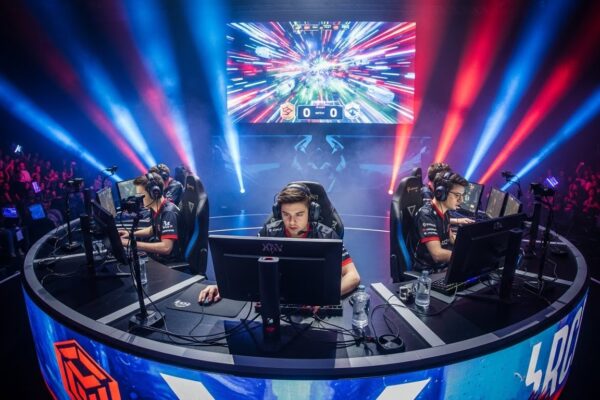
At its core, eSports refers to competitive video gaming where players or teams battle it out in organized tournaments, often for large cash prizes, sponsorships, and worldwide recognition. Unlike casual gaming, where individuals play for fun, eSports involves professional players who train intensively, often for several hours a day, to compete at the highest level. The games themselves range from multiplayer online battle arenas (MOBAs) like League of Legends and Dota 2 to first-person shooters (FPS) like Counter-Strike and Overwatch.
In recent years, games like Fortnite and Apex Legends have further broadened the scope of competitive gaming. These titles, along with established staples, dominate the eSports scene, with tournaments drawing in millions of spectators both online and in person. What began as a hobby has evolved into a professional career for many players, coaches, and analysts who contribute to the growing eSports ecosystem.
The Evolution of eSports: From Arcades to Global Arenas
The roots of eSports date back to the early days of gaming. In the 1980s and 1990s, video game arcades were the epicenter of competitive gaming. Classic arcade games like Pac-Man and Street Fighter attracted gamers to compete for high scores and bragging rights. It wasn’t until the 1997 Red Annihilation tournament for the game Quake, however, that the concept of eSports as a serious competition began to take form. The tournament, which offered a Ferrari as a prize, was a pivotal moment that helped establish competitive gaming as more than just a pastime.
Throughout the 2000s, eSports began to grow steadily, with South Korea leading the charge. The country became the first to recognize eSports as a legitimate professional activity, with televised tournaments and dedicated eSports arenas. By 2010, titles like StarCraft and League of Legends began to dominate the competitive gaming scene, further solidifying eSports as a growing phenomenon.
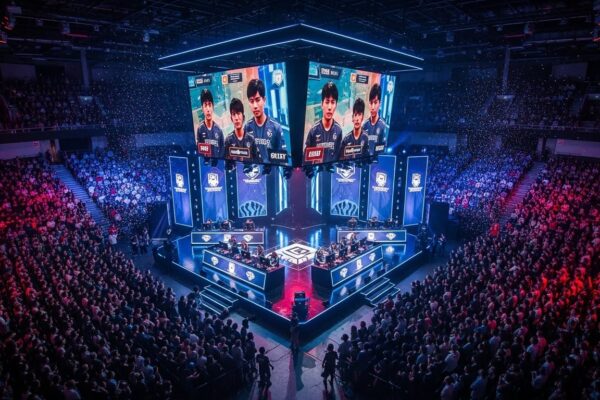
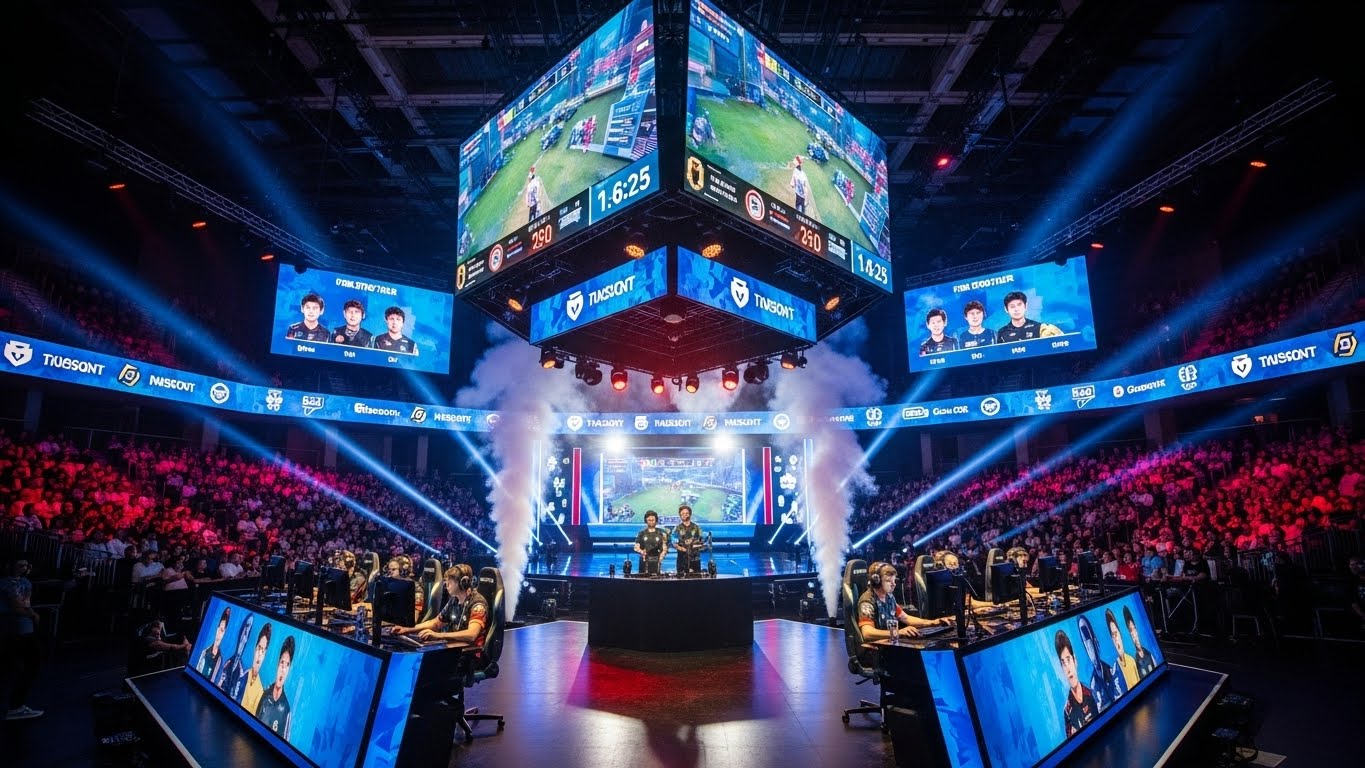
Today, eSports events are held in state-of-the-art arenas across the globe, and tournaments are broadcasted to millions of viewers through streaming platforms such as Twitch, YouTube Gaming, and Facebook Gaming. The shift from small, local gatherings to global, high-production tournaments marks just how far eSports has come in a relatively short period.
The Global Popularity of eSports: Millions of Fans, Worldwide Appeal
eSports’ exponential growth has caught the attention of not only gamers but also a global audience of fans, spectators, and casual viewers. According to recent reports, the global eSports audience is expected to exceed 500 million by 2023, with an increasing number of viewers turning to platforms like Twitch and YouTube to watch tournaments live. Major events such as The International (Dota 2), League of Legends World Championship, and the Fortnite World Cup draw millions of viewers, rivaling traditional sports like basketball and football in terms of global viewership.
Unlike traditional sports, eSports tournaments are not confined to specific geographic locations. Fans from all over the world can watch live broadcasts of competitions and even interact with players in real time through social media and live-streaming platforms. This unique accessibility is one of the key reasons behind eSports’ widespread appeal. Whether you’re in the United States, South Korea, or Brazil, you can tune in to watch top-tier players battle it out for global supremacy.
Additionally, the engagement between players and fans in eSports is unprecedented. Gamers often stream their practice sessions and interact with their fanbase, creating a more personal connection with their audience. This level of fan interaction is one of the factors that sets eSports apart from traditional sports, where fans usually don’t have direct access to their favorite athletes in the same way.
The Business of eSports: A Multi-Billion-Dollar Industry
One of the most striking aspects of the eSports ecosystem is its economic impact. The eSports industry is projected to generate over $1.5 billion in revenue by 2025, driven by sponsorships, advertising, media rights, ticket sales, merchandise, and game publishers. Companies from outside the gaming world, including global brands like Coca-Cola, Intel, and Mercedes-Benz, are pouring millions into the industry, recognizing its potential to engage a younger, tech-savvy audience.
Sponsorships and partnerships have become a central revenue stream for professional teams and tournaments. Major eSports organizations like Team Liquid, Cloud9, and Fnatic sign lucrative sponsorship deals with companies looking to advertise their products to millions of dedicated fans. These sponsorships often include in-game branding, team uniforms, and official partnerships during major events. It’s not unusual for a single team or player to have multiple sponsorship deals with large brands, creating a significant source of income beyond tournament earnings.
The rise of eSports betting has also added a new dimension to its economic landscape. Much like traditional sports, eSports tournaments attract significant interest from gamblers looking to bet on the outcomes of matches and tournaments. This, in turn, has contributed to the growth of platforms dedicated to eSports betting, adding another revenue stream to the industry.
The Players and Teams: The Stars of eSports
Just as in traditional sports, professional eSports players are the stars of the show. These players are highly skilled and dedicated to perfecting their craft, spending hours each day honing their abilities. The competition is fierce, with only the best players able to rise to the top of the rankings.
Players like Faker (Lee Sang-hyeok), a League of Legends legend, and s1mple (Oleksandr Kostyliev), a Counter-Strike: Global Offensive icon, are household names in the eSports world. These players are revered not just for their mechanical skill but also for their strategic thinking, team coordination, and ability to perform under pressure. Professional eSports players often have dedicated coaches, analysts, and teams working behind the scenes to ensure optimal performance.
eSports teams, much like traditional sports organizations, have developed a sense of identity and community. Teams such as Cloud9, T1, and Team Liquid have passionate fanbases that follow their every move. The structure of these organizations closely resembles that of professional sports franchises, with players, coaches, and management working together to achieve victory.
The Future of eSports: Growth, Challenges, and Opportunities
As the eSports industry continues to grow, it faces both exciting opportunities and challenges. The increasing investment in infrastructure, including dedicated eSports arenas and studios, signals the long-term viability of the industry. Companies are also investing heavily in grassroots initiatives, encouraging young gamers to pursue eSports professionally by offering scholarships and training programs. This will likely expand the talent pool and contribute to a more diverse and competitive field.
However, there are challenges to overcome. One of the biggest issues in eSports is the mental and physical toll it takes on players. Professional gamers often face burnout, and the pressure to maintain peak performance can be overwhelming. The average career length of an eSports player is much shorter than that of traditional athletes, which presents challenges for long-term career sustainability. Efforts to address mental health, training regimens, and player longevity are becoming increasingly important as the industry matures.
Another challenge for eSports is its continued mainstream acceptance. While the industry has grown exponentially in recent years, some still view eSports as a “fad” or not a legitimate sport. As eSports continues to gain traction, it will need to overcome these perceptions and continue to innovate in terms of content, viewer experience, and competitive integrity.
eSports and Its Cultural Impact
Beyond the business aspect, eSports has become an important cultural phenomenon. It has helped reshape how people view gaming and its place in society. Once considered a solitary or “nerdy” activity, gaming has evolved into a social experience that connects people from different cultures and backgrounds. Through platforms like Twitch and YouTube, gamers can share their experiences, build communities, and influence trends in gaming, technology, and entertainment.
Moreover, eSports has played a role in breaking down gender and cultural barriers. Women are increasingly becoming part of the eSports landscape, both as players and as viewers, challenging the stereotype that gaming is a male-dominated activity. Efforts to create more inclusive spaces and support for women and underrepresented groups in gaming are gaining momentum.
Conclusion: The Bright Future of eSports
eSports has come a long way since its humble beginnings in arcades and living rooms. Today, it stands as a legitimate sport and a powerful cultural force, captivating millions of fans and players around the world. As the industry continues to grow, it will undoubtedly face challenges, but the potential for continued innovation and success is immense. Whether you’re a casual viewer or a professional player, one thing is clear: eSports is here to stay, and its future is bright.