Categories Blog

The Rise and Evolution of Esports: From Hobby to Global Phenomenon

Introduction

Over the past two decades, a remarkable shift has occurred in the world of entertainment. Competitive gaming, once dismissed as a casual hobby, has evolved into one of the fastest-growing global industries: esports. The term “esports” stands for electronic sports, a form of competition using video games. It encompasses organized multiplayer gaming tournaments, professional players, massive fanbases, and billion-dollar sponsorships. Esports is no longer confined to dark gaming cafes or bedroom setups—it’s a cultural and economic force transforming how people view sports, competition, and entertainment itself.

This article dives deep into the evolution of esports, exploring its history, rise, culture, technology, and future. We will examine how it became a mainstream spectacle and what lies ahead for this digital revolution.


The Origins of Esports

The roots of esports can be traced back to the early 1970s. The first known video game competition took place at Stanford University in 1972, where students competed in a game called “Spacewar.” The prize? A one-year subscription to Rolling Stone magazine. This simple event planted the seeds of a global movement.

In the 1980s, arcade gaming began to capture public attention. Games like Pac-Man, Donkey Kong, and Space Invaders became cultural phenomena. Competitive gaming started to emerge as players sought to achieve the highest scores on arcade machines. In 1980, Atari hosted the Space Invaders Championship, which attracted over 10,000 participants. It was one of the earliest large-scale gaming tournaments and marked the first major step toward organized esports.

The 1990s brought the advent of console gaming and local area network (LAN) parties. Titles like Street Fighter II, StarCraft, and Counter-Strike became competitive staples. The introduction of the internet later in the decade made online multiplayer gaming possible, connecting players worldwide and paving the way for modern esports.


The 2000s: The Birth of Modern Esports

By the early 2000s, esports began to formalize. Competitive gaming organizations, professional teams, and dedicated tournaments started to appear. The rise of broadband internet, PC gaming, and online platforms helped esports evolve from casual competition to a legitimate sport.

One of the most influential games in this era was StarCraft: Brood War in South Korea. The country embraced esports as a professional pursuit, with televised matches, dedicated gaming arenas, and players achieving celebrity status. South Korea’s esports scene became the blueprint for the rest of the world.

At the same time, Western countries began forming their own leagues and tournaments. Games like Counter-Strike 1.6, Warcraft III, and Halo established the foundation for competitive gaming in North America and Europe. Events like the World Cyber Games (WCG) and Electronic Sports World Cup (ESWC) brought international exposure, proving that esports could unite global audiences.


The Streaming Revolution

A major turning point for esports came with the rise of live streaming in the 2010s. Platforms like Twitch and YouTube Gaming gave fans the ability to watch their favorite players in real time. This accessibility created a direct connection between players and audiences, much like traditional sports broadcasting.

Streaming not only popularized esports but also created a new generation of influencers and entertainers. Players could earn money through sponsorships, donations, and subscriptions, turning gaming into a viable career path. This era also birthed household names in esports, such as Faker from League of Legends, s1mple from Counter-Strike: Global Offensive, and Ninja from Fortnite.

The ability to broadcast tournaments online also attracted mainstream investors and brands. Suddenly, companies like Coca-Cola, Intel, and Nike began sponsoring teams and events, recognizing esports as a powerful marketing tool targeting younger audiences.


The Biggest Esports Games

Certain games have defined the esports landscape. Each title has its unique community, competitive structure, and influence on the industry.

League of Legends

Developed by Riot Games, League of Legends (LoL) is one of the most popular esports in the world. Its annual World Championship draws millions of viewers, often surpassing the audience of traditional sporting events. With structured leagues in regions like North America, Europe, China, and Korea, LoL set the standard for professional esports organization.

Dota 2

Valve’s Dota 2 is another titan of esports. Its flagship tournament, The International, offers some of the largest prize pools in esports history, often exceeding $30 million. Funded through in-game purchases, the community-driven model revolutionized how esports tournaments are financed.

Counter-Strike: Global Offensive

CS:GO remains one of the longest-standing and most respected competitive games. Known for its high skill ceiling and tactical depth, it attracts a dedicated global fanbase. Major tournaments, known as CS:GO Majors, have helped define professional standards in esports broadcasting and production.

Fortnite

Epic Games’ Fortnite blended competitive play with pop culture. The Fortnite World Cup in 2019 offered $30 million in prize money and showcased how a battle royale game could capture both casual and competitive audiences.

Valorant, Overwatch, and Call of Duty

Newer titles like Valorant, Overwatch, and Call of Duty: Warzone continue to expand the esports ecosystem. Each brings unique gameplay styles and attracts massive international leagues supported by dedicated fanbases.


The Business of Esports

Esports is now a billion-dollar industry encompassing tournaments, sponsorships, advertising, merchandise, and media rights. Professional organizations operate similarly to traditional sports teams, complete with coaches, analysts, and training facilities.

Major tournaments like The International, League of Legends Worlds, and CS:GO Majors offer prize pools that rival traditional sports. In addition, franchise leagues such as the Overwatch League and Call of Duty League have introduced city-based teams, mirroring the structure of the NBA or NFL.

Sponsorships are a major revenue stream. Tech companies, energy drink brands, and apparel giants have poured millions into esports partnerships. Streaming platforms and media rights deals also contribute significantly to the industry’s growth, while brands increasingly use esports for youth engagement and digital marketing.


Esports and Traditional Sports: A New Rivalry

The comparison between esports and traditional sports is inevitable. While some purists argue that esports lacks the physical aspect of sports, others see it as a natural evolution of competition. Both require skill, strategy, teamwork, and mental fortitude.

Traditional sports organizations have also embraced esports. Teams like the NBA’s Golden State Warriors and European soccer clubs such as Paris Saint-Germain and Manchester City have launched their own esports divisions. This crossover highlights the growing legitimacy of esports in the mainstream athletic world.

Furthermore, major broadcasters and networks now cover esports events, placing them alongside traditional sports coverage. The inclusion of esports in the Asian Games and discussions around future inclusion in the Olympics show how far the industry has come in gaining global recognition.


The Culture of Esports

Esports is more than just competition—it’s a vibrant culture. It represents the convergence of gaming, entertainment, and digital creativity. The community-driven nature of esports has fostered a unique sense of belonging among fans and players worldwide.

Esports culture thrives on online interaction. Memes, fan art, social media discussions, and live chats form the heart of the community. The diversity of players, nationalities, and backgrounds creates a global culture that transcends borders.

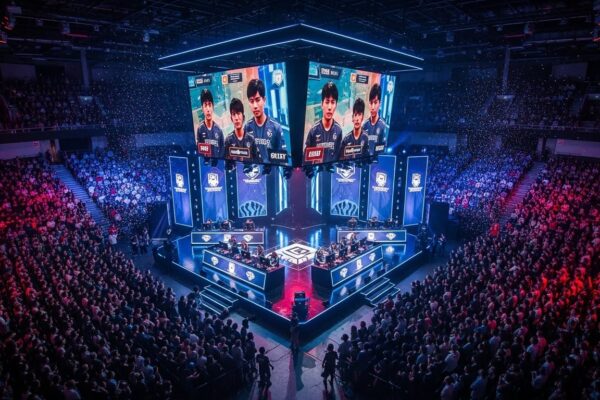
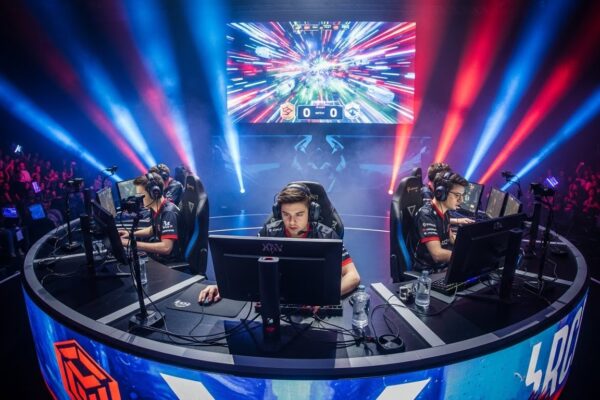
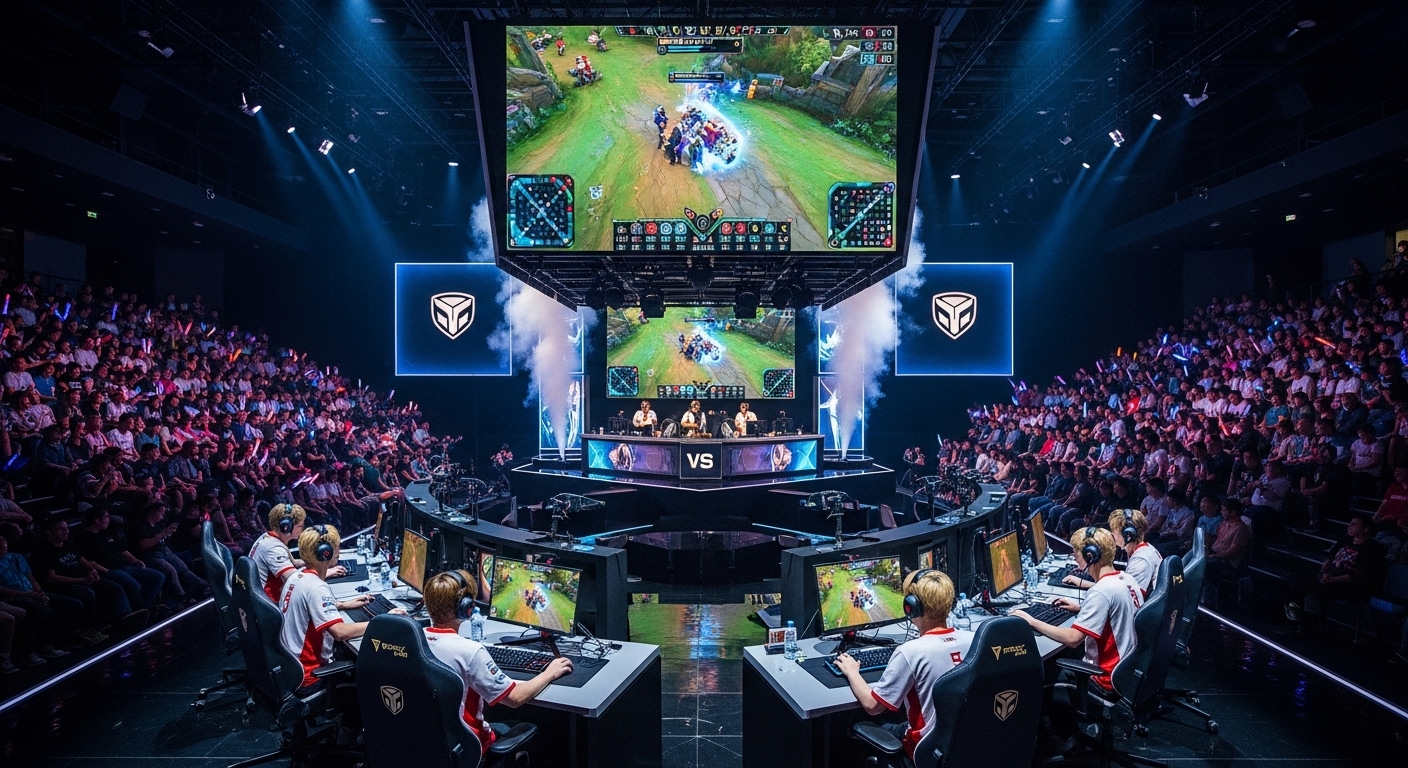
Additionally, esports events have become social gatherings. Massive tournaments fill stadiums, with thousands of fans cheering for their favorite teams. The energy and excitement rival that of traditional sports arenas, complete with chants, jerseys, and fan meet-ups.


The Role of Technology in Esports

Technology is the backbone of esports. High-performance computers, advanced graphics, and fast internet connections make competitive gaming possible. Moreover, technologies like virtual reality (VR), augmented reality (AR), and artificial intelligence (AI) are shaping the future of the industry.

VR and AR are introducing immersive ways to experience games and watch competitions. AI-driven analytics help coaches and teams study opponents, improve strategies, and optimize player performance. Meanwhile, blockchain and digital collectibles are being integrated into esports economies through NFTs and virtual merchandise.

Streaming technology continues to evolve, making it easier for fans to watch in 4K quality or through interactive overlays. Cloud gaming is also lowering barriers to entry, allowing more players from around the world to compete without needing expensive hardware.


Challenges Facing Esports

Despite its success, esports faces several challenges that could shape its future.

Player Burnout

Professional esports athletes often face long hours of practice, high stress, and mental fatigue. With short career spans compared to traditional athletes, burnout is a serious issue. Organizations are now investing in player wellness programs and balanced training regimens to combat this.

Cheating and Integrity Issues

Like any competitive field, esports has struggled with cheating and match-fixing. From hacking software to betting scandals, these issues threaten the integrity of competition. Developers and tournament organizers are implementing strict regulations and anti-cheat systems to maintain fairness.

Regulation and Governance

Unlike traditional sports, esports lacks a unified global governing body. Rules and standards vary across games and tournaments. Establishing consistent governance remains one of the biggest challenges for the industry.

Gender and Diversity Gaps

While esports is open to anyone, female players and minorities remain underrepresented. The industry is gradually addressing inclusivity through initiatives promoting diversity, safer gaming environments, and equitable opportunities for all.


The Educational and Career Opportunities in Esports

Esports is not just about playing games—it has opened doors to countless career paths. Today, universities and colleges around the world offer esports scholarships and degree programs in fields like game design, event management, marketing, and broadcasting.

Beyond professional players, careers in esports include coaching, analytics, commentary, journalism, production, and team management. The ecosystem surrounding competitive gaming mirrors that of traditional sports, offering a variety of roles that contribute to the industry’s growth.

Educational institutions are recognizing the potential of esports to teach valuable skills such as teamwork, communication, strategic thinking, and digital literacy. Esports clubs and student leagues are becoming an integral part of modern education.


The Global Impact of Esports

Esports has become a global connector, bridging cultures and generations. Events like League of Legends Worlds or The International draw millions of viewers from every continent. Fans gather in arenas or watch online, creating shared experiences that transcend language barriers.

Countries such as South Korea, China, and the United States are leading the industry, but regions like Southeast Asia, Europe, and the Middle East are rapidly expanding their presence. Government support, infrastructure investments, and youth engagement initiatives are fueling esports ecosystems worldwide.

Esports also has significant economic impact. It drives tourism, job creation, and technological innovation. Host cities for major tournaments benefit from increased visibility and business opportunities, much like cities that host traditional sporting events.


The Future of Esports

The future of esports looks brighter than ever. Analysts predict that the industry will continue to grow exponentially, driven by technological innovation, mobile gaming, and expanding global audiences.

Mobile esports, in particular, is reshaping the industry in developing regions. Games like PUBG Mobile, Free Fire, and Mobile Legends: Bang Bang are bringing competitive gaming to millions of players who lack access to high-end PCs or consoles.

Additionally, the integration of virtual and augmented reality may redefine how fans experience esports. Imagine stepping into a virtual arena to watch a live match from any angle, or even participating as an interactive spectator.

As esports matures, it will likely gain more recognition as an official sport, with standardized regulations and potential inclusion in future international competitions. The blending of physical and digital competition may create a new hybrid form of entertainment, merging athleticism with technology.


Conclusion

Esports is no longer a niche activity—it is a global revolution. What began as a pastime among friends has evolved into a multibillion-dollar industry that influences culture, entertainment, education, and technology. It has redefined what it means to be an athlete, a fan, and a community member in the digital age.

As technology advances and new generations embrace gaming, esports will continue to grow in influence and reach. Whether you’re a casual gamer, a competitive player, or an enthusiastic spectator, there is no denying that esports represents the future of sports and entertainment.

From humble beginnings in college computer labs to filling arenas with roaring fans, esports has proven that passion, skill, and innovation can turn virtual dreams into global reality.

More From Author

You May Also Like