Introduction
Esports, short for electronic sports, has become one of the fastest-growing entertainment industries worldwide. What was once a hobby limited to small gaming communities has evolved into a professional, multi-billion-dollar global phenomenon. With professional leagues, international tournaments, sponsorships, and massive audiences, esports has transformed competitive gaming into a cultural force that rivals traditional sports.
Esports is unique because it combines strategy, skill, teamwork, and mental acuity in a digital environment. Unlike conventional sports, physical attributes are not the main determinant of success. This inclusivity allows people from all backgrounds to compete at the highest levels. In this blog, we will explore the history, rise, cultural impact, professionalization, and future of esports, illustrating how competitive gaming became a central part of global entertainment.
The Origins of Esports
Competitive gaming dates back to the late 1970s and early 1980s, when arcade games like Space Invaders and Pac-Man became wildly popular. Players would challenge each other for the highest scores, often in small local tournaments hosted in arcades or school competitions. One of the earliest organized events, the Space Invaders Championship in 1980, attracted thousands of participants in the United States, marking the beginning of competitive gaming on a larger scale.
The 1990s marked a turning point as personal computers became widespread and the internet enabled online play. Games like Doom, Quake, and StarCraft allowed players to compete in digital arenas with individuals across the globe. South Korea became a key hub for esports, particularly through the popularity of StarCraft, where professional leagues and televised matches elevated players to celebrity status. These developments set the foundation for modern esports as a serious competitive field.
The Growth of Esports Tournaments
As esports gained popularity, tournaments became increasingly professional and large-scale. Early competitions like the Electronic Sports World Cup and Major League Gaming provided structured events with international audiences. By the 2010s, esports had become a global industry with millions of viewers. Titles such as League of Legends, Dota 2, and Counter-Strike: Global Offensive emerged as staples in the competitive scene.
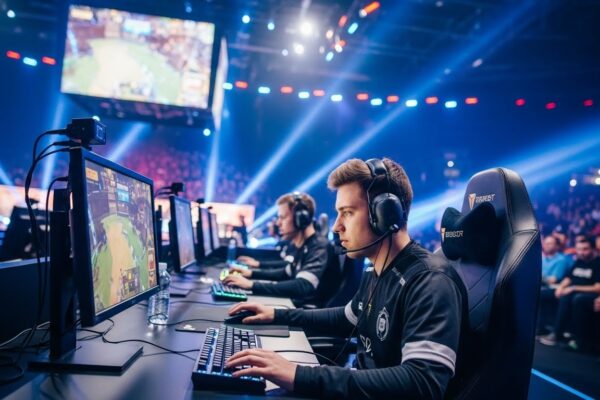
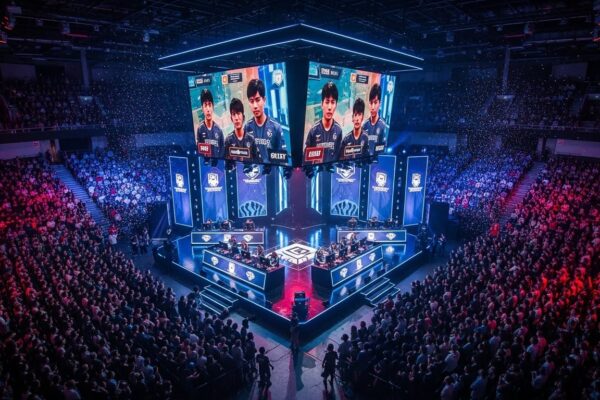
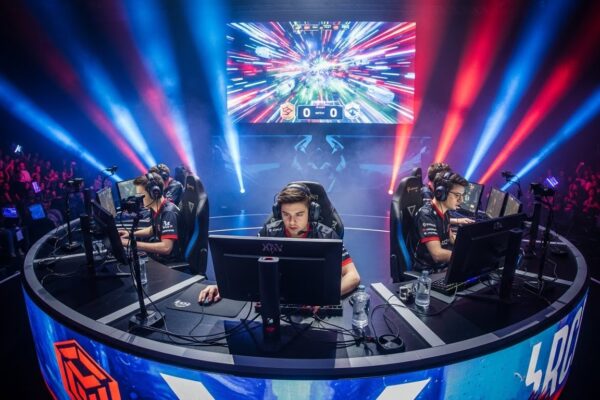
Modern esports tournaments are not just competitions—they are full-fledged entertainment experiences. Stadiums fill with cheering fans, live commentators provide analysis, and production teams create high-quality broadcasts with cinematic visuals. The League of Legends World Championship and the Dota 2 International offer prize pools exceeding tens of millions of dollars, rivaling traditional sports in both scale and excitement.
Professionalization of Esports
Esports has become a legitimate career path. Professional players dedicate hours each day to training, often following structured routines similar to traditional athletes. Training includes practicing game mechanics, studying strategies, physical conditioning, and mental preparation. Professional teams operate like sports franchises, with coaches, analysts, nutritionists, and psychologists supporting the players.
Sponsorships from technology companies, beverage brands, and apparel firms provide financial backing, allowing teams and players to focus fully on performance. The professionalization of esports has raised the level of competition and increased legitimacy, attracting more fans, media attention, and investment.
Esports Game Genres and Titles
Esports encompasses a wide range of genres, each with unique gameplay and skill requirements. Multiplayer Online Battle Arena (MOBA) games such as League of Legends and Dota 2 focus on team coordination, strategic thinking, and timing. First-Person Shooters (FPS) like Counter-Strike: Global Offensive, Overwatch, and Call of Duty emphasize reflexes, precision, and tactical planning.
Fighting games like Street Fighter, Tekken, and Super Smash Bros. require timing, pattern recognition, and adaptability. Sports simulations like FIFA and NBA 2K recreate real-world sports experiences digitally. Each genre attracts different types of players and audiences, making esports a diverse ecosystem where multiple skills and strategies thrive.
Streaming and Digital Platforms
The rise of streaming platforms has been instrumental in esports’ growth. Services like Twitch and YouTube Gaming allow millions of fans to watch live matches, interact with players, and participate in global communities. This interactivity differentiates esports from traditional sports, providing immersive experiences where fans can communicate, react, and influence the atmosphere in real time.
Streaming has also democratized esports. Amateur players can broadcast their games, build audiences, and even earn sponsorships. Digital platforms have made esports a global community, connecting players and fans from different countries and cultures.
Cultural Impact of Esports
Esports is more than a game—it is a cultural movement. Younger generations, who have grown up playing video games, view esports as both entertainment and identity. Communities form around games, providing social interaction through fan art, online forums, memes, and cosplay.
Esports also fosters collaboration and skill development. Players learn teamwork, communication, leadership, and critical thinking while participating in competitive environments. These skills extend beyond gaming, influencing personal and professional growth. Esports has become a platform for creativity, social interaction, and cultural exchange.
Economic Influence
The esports industry has a substantial economic impact. Revenue comes from sponsorships, media rights, merchandise, advertising, and event ticket sales. Large tournaments drive local economies by attracting tourism, boosting hospitality sectors, and generating employment opportunities.
Merchandising is also significant. Fans purchase team jerseys, peripherals, digital content, and collectibles to support their favorite players and teams. The industry supports careers in coaching, broadcasting, event management, and content creation, contributing to a diverse professional ecosystem.
Esports Compared to Traditional Sports
Esports shares similarities with traditional sports, including teamwork, skill, competition, and fan engagement. However, esports has unique advantages. Digital platforms allow global participation without geographical limitations, and success depends largely on mental acuity and strategy rather than physical attributes.
Traditional sports organizations are increasingly integrating esports. Professional teams now maintain esports divisions, and major stadiums host tournaments. This convergence validates esports as a legitimate competitive and entertainment platform.
Sponsorships and Media Coverage
Sponsorships are vital to esports, providing financial support and increasing visibility. Global brands seek access to esports audiences, particularly younger demographics that are highly engaged and influential. Sponsorships fund tournaments, team operations, and prize pools, supporting the professional ecosystem.
Media coverage has expanded beyond streaming to television broadcasts, journalism, and documentaries. Player profiles, behind-the-scenes stories, and tournament highlights elevate esports to mainstream recognition. This visibility attracts new talent, fans, and investment.
Diversity and Inclusion
Esports offers unique opportunities for diversity. Physical ability is less of a barrier, allowing players of different genders, backgrounds, and abilities to compete at high levels. Women, differently-abled players, and international competitors are gaining visibility and success in the esports world.
Challenges remain, including gender disparity and harassment. Industry leaders and communities are working to promote inclusive policies and safe environments, ensuring esports remains a welcoming space for all.
Mental and Physical Health in Esports
Professional esports requires long hours of training and intense focus, which can impact health. Teams employ fitness trainers, mental health professionals, and nutritionists to support players. Physical conditioning is important for reflexes, endurance, and overall performance, while mental resilience is critical for stress management and decision-making under pressure.
Balance between training, rest, and healthy lifestyle choices is essential to sustain long-term performance and prevent burnout. Mental health awareness is increasingly recognized as a key factor in maintaining professional longevity in esports.
Global Reach of Esports
Esports is a truly international industry. South Korea and China remain major hubs, with structured leagues, high-quality infrastructure, and government support. North America and Europe host major tournaments and conventions, while emerging markets in South America, the Middle East, and Africa are rapidly expanding.
Global competitions foster cross-cultural interaction. Players from different countries compete online or in-person, while fans worldwide follow the same events. This shared experience creates a sense of global community and cultural exchange.
Education and Career Opportunities
Esports is creating educational pathways and professional opportunities. Universities offer esports scholarships, training programs, and specialized courses in game design, broadcasting, and management. Students can combine academics with competitive gaming, creating a balanced approach to career development.
Beyond playing professionally, careers in esports include coaching, analysis, event management, marketing, content creation, and journalism. The industry’s growth ensures that opportunities are not limited to the players themselves, supporting a broader ecosystem of jobs and skills.
The Future of Esports
The future of esports promises continued growth, innovation, and global influence. Emerging technologies like virtual reality and augmented reality will redefine gameplay and viewing experiences. Artificial intelligence may improve training, strategy analysis, and player performance.
Esports will continue to integrate with mainstream entertainment, combining gaming with music, film, and traditional sports. Inclusivity and sustainability will become key priorities, ensuring equitable participation and responsible event management. The industry is poised to maintain its role as a dynamic, influential, and innovative global phenomenon.
Conclusion
Esports has evolved from small arcade competitions into a global entertainment powerhouse. It combines skill, strategy, and teamwork with technological innovation, creating opportunities for players, fans, and businesses alike. Professional leagues, international tournaments, and diverse game genres have established esports as a legitimate and respected industry.
Beyond the competition, esports fosters creativity, collaboration, and cultural exchange. It inspires younger generations, offers career pathways, and demonstrates the power of digital connection. As technology advances and global participation grows, esports will continue to shape the future of entertainment, competition, and community.
The story of esports is a story of passion, innovation, and human ingenuity. It proves that in the digital age, competition, skill, and teamwork can unite people worldwide, inspiring excitement, dedication, and shared experiences that transcend borders.